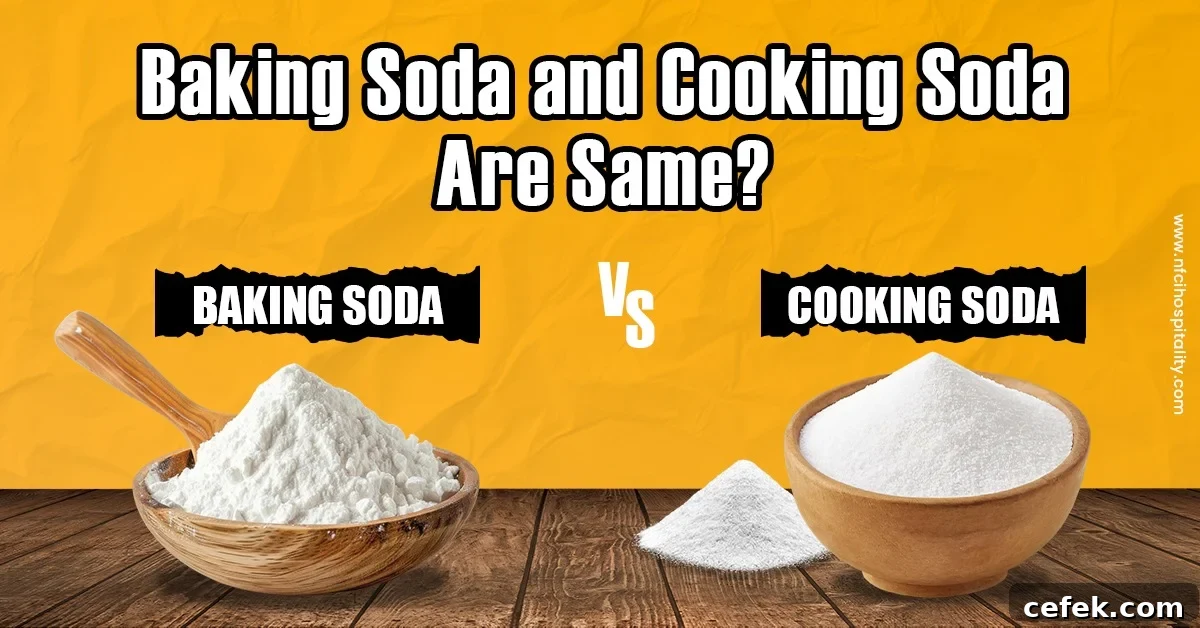
Have you ever watched a cooking show or baked a cake and wondered about the difference between baking soda and cooking soda? Many home cooks get confused by the names. Are they different? And where do baking powder and soda powder fit in? This article explains the differences clearly, their culinary uses, and how to use them correctly in recipes.
If you are new to baking or aiming to improve your kitchen skills, understanding these common leavening agents is essential. Below we outline what baking soda and baking powder are, how they work, when to use each, and safe substitutions so your cakes, breads, and snacks turn out light and delicious.
What is Baking Soda?
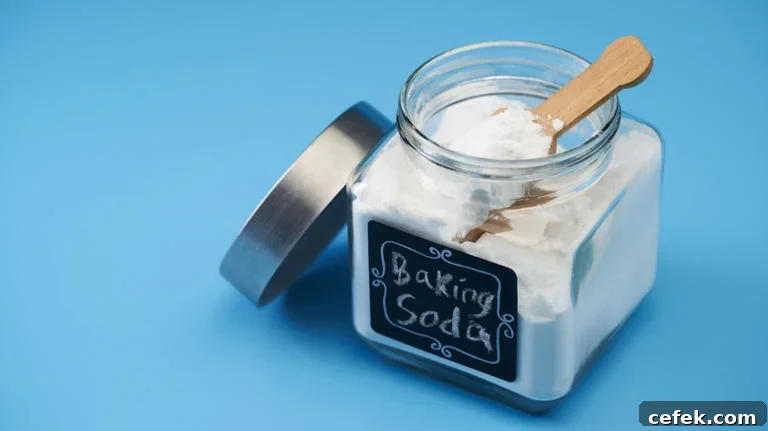
Baking soda is a white, dry powder whose chemical name is sodium bicarbonate (NaHCO₃). It is a strong alkaline compound used widely in cooking and baking for its leavening and neutralizing properties.
How it works
Baking soda reacts immediately when combined with an acid and a liquid, producing carbon dioxide (CO₂) bubbles that expand in batter or dough. This reaction makes baked goods rise and become light. Because the reaction begins right away, batters using baking soda should be baked promptly.
Is Cooking Soda the Same as Baking Soda?
Yes. Cooking soda and baking soda are the same chemical compound: sodium bicarbonate. The difference is purely in terminology. In many Indian households the term “cooking soda” or “soda powder” is used interchangeably with “baking soda.” All refer to the same ingredient, so you can use them in recipes interchangeably—just be careful not to confuse baking soda with baking powder, which is different.
- Baking Soda = Sodium Bicarbonate (NaHCO₃)
- Cooking Soda = regional term commonly used in Indian kitchens
- Soda Powder = informal name sometimes seen on packaging
What is Baking Powder?
Baking powder is a complete leavening agent containing baking soda plus an acidic salt and a drying agent (often cornstarch). Because it contains both the alkaline and acidic components, it does not require additional acidic ingredients in the recipe to produce CO₂ and leaven baked goods.
- Baking soda
- An acidic salt
- A drying/stabilizing agent (e.g., cornstarch)
How baking powder works
When combined with liquid, baking powder produces carbon dioxide through an acid-base reaction. There are single-acting and double-acting types. Single-acting powders react once when moistened, while double-acting powders release some gas when mixed and more gas when exposed to heat in the oven—providing better control and rise for many recipes.
When to use baking powder
Use baking powder when a recipe lacks natural acidic ingredients such as lemon juice, yogurt, vinegar, or buttermilk. Typical uses include:
- Cakes, cupcakes, and muffins
- Biscuits and quick breads
- Pancakes and waffles
- Sponge-like batters and some cookie recipes
Baking Soda vs. Baking Powder
Both are leavening agents but they are not interchangeable without adjustments. Key differences:
| Feature | Baking Soda | Baking Powder |
| Acid Requirement | Requires an acidic ingredient | Includes its own acid |
| Reaction Speed | Reacts immediately | Some immediate, some on heating (double-acting) |
| Taste if overused | Can taste soapy or bitter | Can taste slightly bitter |
| Best for | Recipes with acidic components | Neutral or non-acidic recipes |
Common Uses for Baking Soda
Baking soda has several culinary and household uses beyond leavening:
- Speeds up cooking of beans like rajma or chhole with a small pinch
- Helps clean fruits and vegetables by removing residues
- Neutralizes odors inside refrigerators
- Contributes to soft, fluffy idlis and dhoklas
- Acts as a mild abrasive for cleaning ovens, tiles, and greasy surfaces
Common Uses for Baking Powder
Baking powder is ideal when a recipe needs reliable leavening but contains no acidic ingredients. Typical uses include:
- Cakes, muffins, and cupcakes
- Pancakes, waffles, and quick batters
- Batters for pakoras and some fried snacks to achieve a light texture
Can You Substitute One for the Other?
Substitution is possible but requires care. If you are out of baking powder, you can make a quick substitute using baking soda plus an acid and a starch to stabilize it. A common approximation:
1 tsp baking powder = 1/4 tsp baking soda + 1/2 tsp lemon juice or vinegar + 1/4 tsp cornstarch
Substituting baking powder for baking soda is harder because recipes that call for baking soda usually rely on the neutralizing effect of an acid. Using the wrong leavening without adjusting the recipe can affect rise and flavor, so follow the recipe when possible.
Understand Ingredients to Improve Results
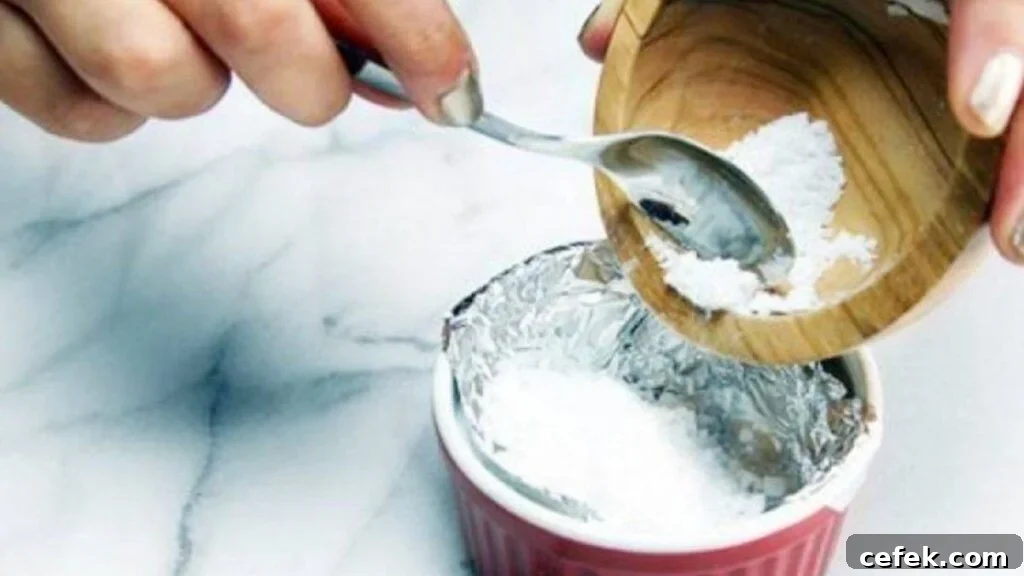
Knowing the differences between baking soda, cooking soda, baking powder, and soda powder helps you make better baking decisions. Each ingredient has a specific chemical role that affects texture, rise, and taste. Learning these basics will improve your recipes and give you more consistent, delicious results.
Build Your Cooking Career with NFCI (National Finishing and Cookery Institute)
NFCI offers practical culinary and bakery courses that teach both technique and food science. Students learn professional cooking and bakery arts from experienced chefs in well-equipped kitchen labs. Programs include government-recognized diplomas and certificates, practical training, and placement support in hospitality and hotel kitchens.
Why Choose NFCI?
- Government-recognized diploma and certificate courses
- Hands-on training in modern kitchen labs
- Placement support with hotels and hospitality employers
- Specializations in bakery, food production, and hospitality management
Turn your passion for cooking into a professional career. Admissions are open for courses at NFCI.