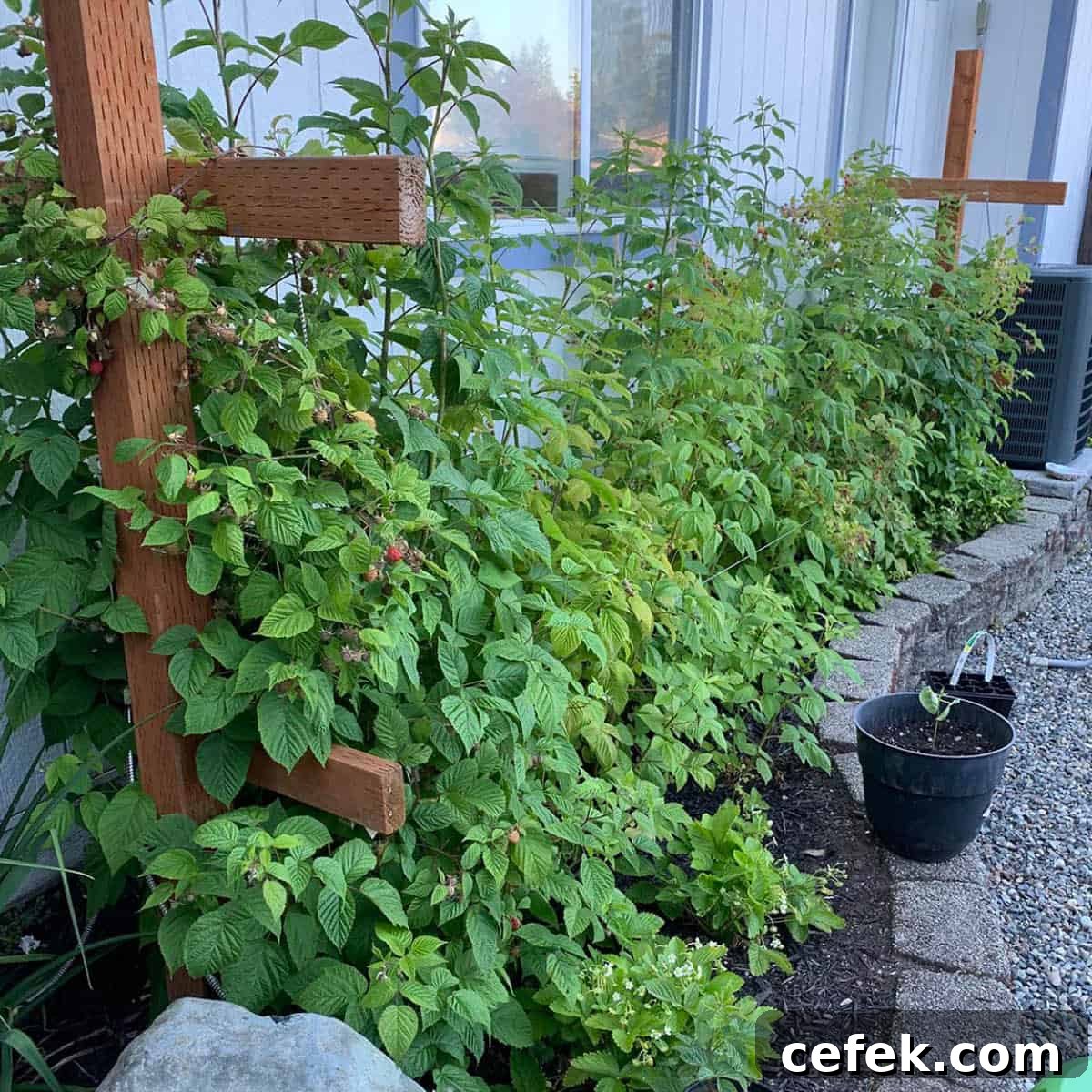
One of the best investments for your backyard is a row of homegrown raspberries. With a single planting and regular pruning, raspberry plants provide a steady supply of fruit each season. Grow enough for fresh snacking, jam and jelly canning, or for freezing to use in winter baking. It’s surprisingly easy to cultivate raspberries at home.
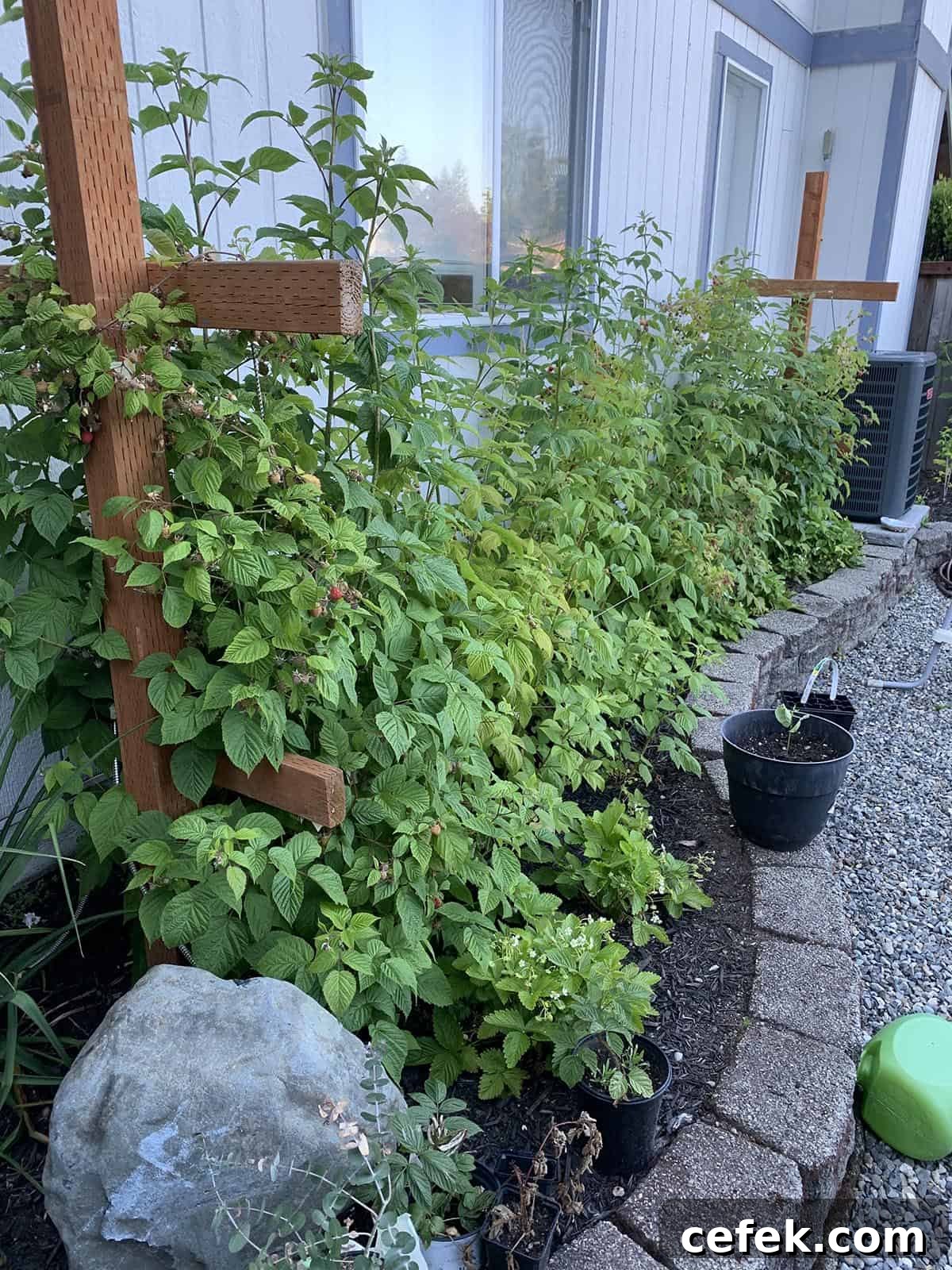
Gardening is a rewarding hobby no matter where you live. Besides the many health and lifestyle benefits, having fresh produce at hand is one of the best parts. Raspberries, in particular, are one of the priciest berries in stores — and for good reason. They’re flavorful, nutrient-dense, and often associated with health benefits. Buying store raspberries can get expensive, but planting a few canes in your yard gives you an expanding, perennial supply.
Raspberries are seasonal, producing fruit once or twice a year depending on the variety and climate. Although the harvest window can be short, there are techniques to extend the season. For just a few dollars you can establish plants that will grow bigger and yield more fruit each year. They’re easy to preserve, and a well-stocked freezer of berries can carry you through many months.
If you’re ready, here’s a clear guide to selecting, planting, maintaining, harvesting, and using raspberries in your garden.
Types of Raspberries
When choosing raspberry plants, consider the plant type and the fruiting habit. Raspberries are perennial plants, but their canes are biennial: new canes develop each year and individual canes typically live for two seasons. This article focuses on red raspberry varieties; black raspberries are different in habit and care.
Red raspberries generally fall into two categories:
Summer-bearing: These produce one crop on second-year canes. New primocanes grow in spring and then overwinter; they fruit the next summer and are removed after harvest to make way for new canes.
Ever-bearing (or fall-bearing): These can yield two crops from each cane — a fall crop on the upper cane and a later summer crop the following year on the lower cane. After the second season’s harvest the cane is removed. Ever-bearing varieties allow you to harvest twice from the same cane before pruning it out.
Raspberry flowers attract pollinators and are self-fertile, so you don’t need multiple varieties for pollination. Each flower develops into a cluster of drupelets that form the raspberry fruit.
Where to Grow Raspberries
Choose a sunny location that receives at least 6–8 hours of direct sunlight daily; 8 hours is ideal. While raspberries tolerate some shade, increased sun equates to better yields. Avoid planting near buildings, large trees, or other structures that cast significant shade.
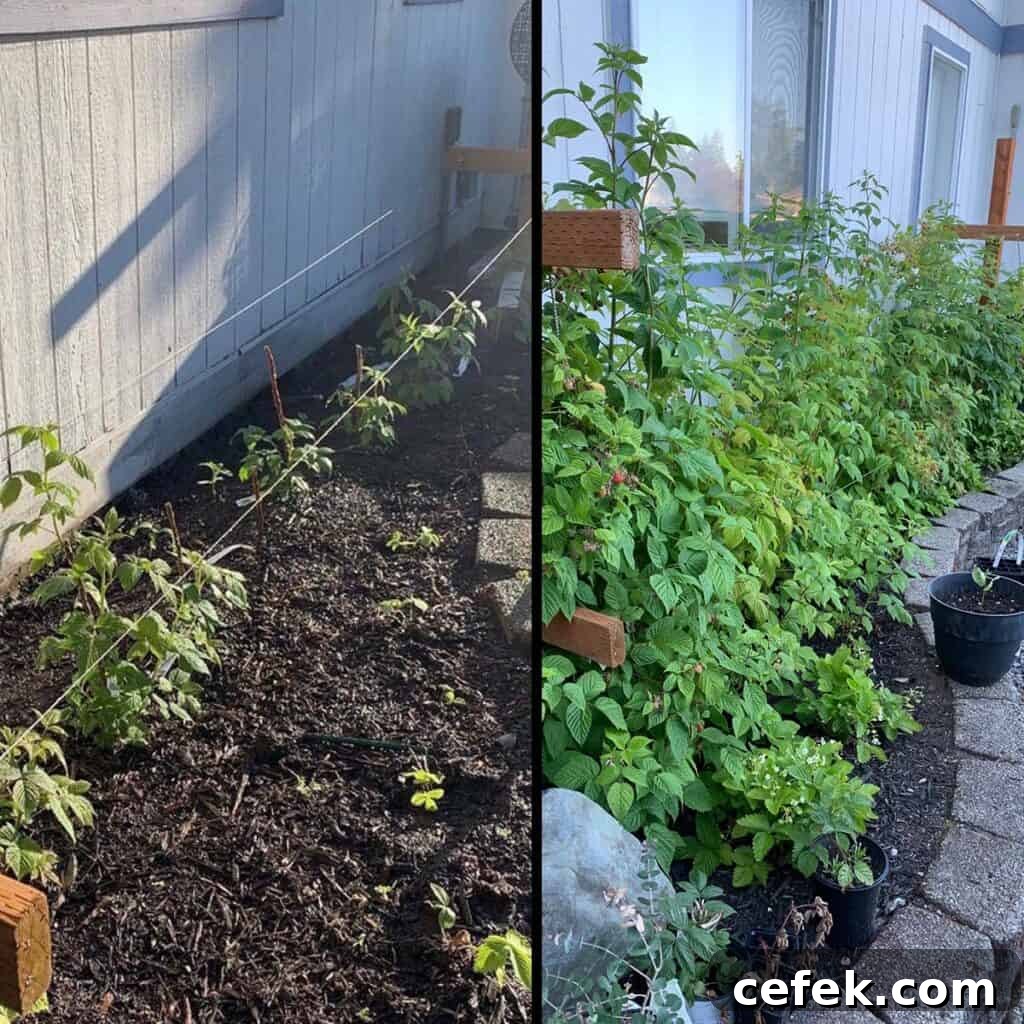
Raspberry beds can spread and thicken quickly. New canes develop each year and the patch will expand for the first 3–5 years as it establishes. Expect little to no fruit in the first couple of years as the plants focus on root and cane development — this is normal and worth the wait.
When to Plant Raspberries
The best time to plant raspberries is early spring once the soil can be worked. Local nurseries and farm stores selling canes in your area usually offer plants that are ready to go into the ground. Since conditions vary by region, ask nursery staff for timing and variety recommendations suited to your climate.
How to Plant Raspberries
The steps below apply to red raspberry varieties. Black raspberries may require different spacing and care.
- Select a site with 6–8 hours of sun.
- Ensure the soil drains well — raspberries dislike standing water.
- Amend soil with compost or a balanced fertilizer for fertility.
- Plant canes 3–4 feet apart in rows spaced about 1.5–2 feet apart.
- Dig a hole large enough for the roots with room to spread.
- Set the cane in the hole and cover the roots, keeping the crown just above soil level.
- Provide a trellis or support system to keep canes upright and manageable.
Key nutrients for raspberries include nitrogen, phosphorus, and potassium. Root health is essential, so avoid compacted or poorly drained soils. A generous layer of mulch helps retain moisture, suppress weeds, and insulate roots through seasonal changes.
How to Prune Raspberries
Pruning is vital for plant health and fruit production. Removing old, spent canes directs energy toward new growth. Understand three cane types when pruning:
- Primocane: First-year canes that are typically green. They either produce a fall crop (ever-bearing) or become the fruiting canes the following summer (summer-bearing).
- Floricane: Second-year canes that fruit and develop a brown, woody bark. After they fruit they should be removed.
- Suckers: Small shoots that pop up away from the row. Remove them early, as they divert nutrients from the main plants.
How to prune ever-bearing
Ever-bearing varieties produce a fall crop on the upper cane and then a summer crop on lower sections the next year. Do not prune immediately after the fall harvest; leave the canes to overwinter and fruit the following summer. In late winter (February–March), remove the browned, dead upper growth and cut finished second-year canes to the ground. In many regions it’s best to perform major pruning between November and February.
How to prune summer-bearing
Summer-bearing canes live two seasons but only fruit in their second year. After harvest, cut the spent floricanes to the ground. Major pruning is typically done between November and February.
Other pruning tips:
- Thin weak canes: Remove thin, short, or weak canes at the base; they won’t yield well and drain resources.
- Control spread: Keep rows about 1.5–2 feet wide and remove canes that stray beyond the row to prevent overcrowding.
Pruning techniques vary by region and grower preference. Choose a schedule that fits your climate and the variety you grow.
When and How to Harvest Raspberries
Harvest timing depends on variety, weather, and location. In many temperate areas raspberries ripen in early to mid-summer. Ripe berries are evenly colored, slightly soft but not mushy, and detach easily with a gentle twist. If a berry resists removal or shows pale drupelets near the stem, it needs more time.
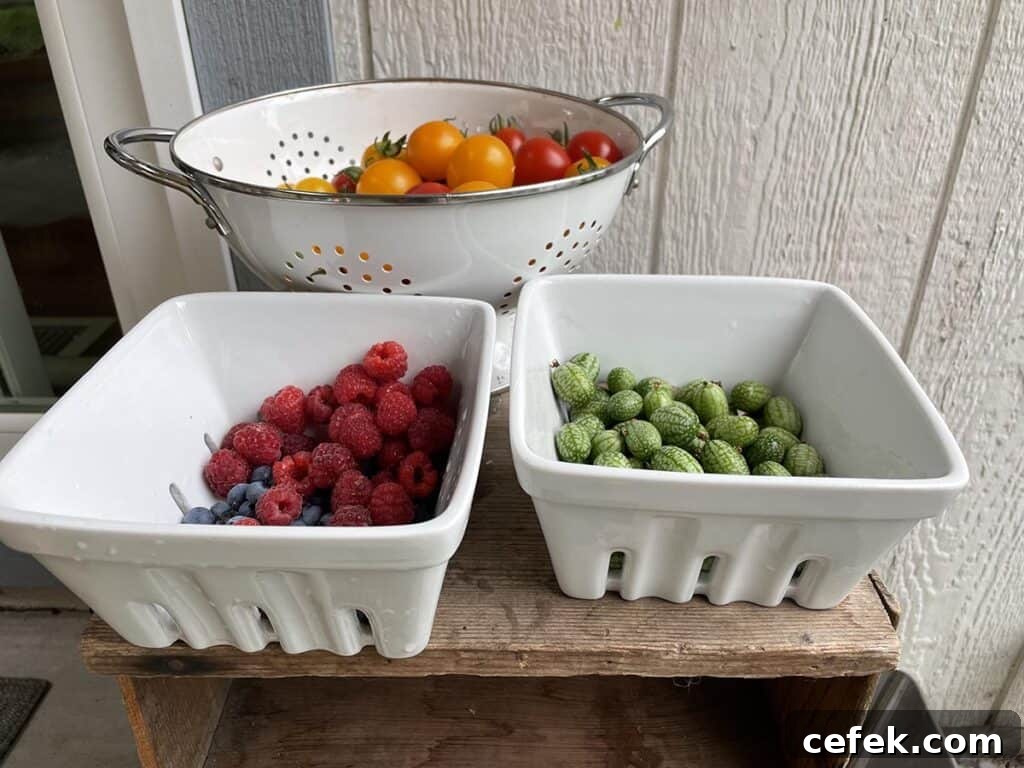
Unripe raspberries are tart and lack the full sweet flavor of mature fruit. Harvest in the morning when berries are cool and dry for the best texture. Use a shallow container, colander, or berry basket so the fruit can be rinsed and transported without crushing.
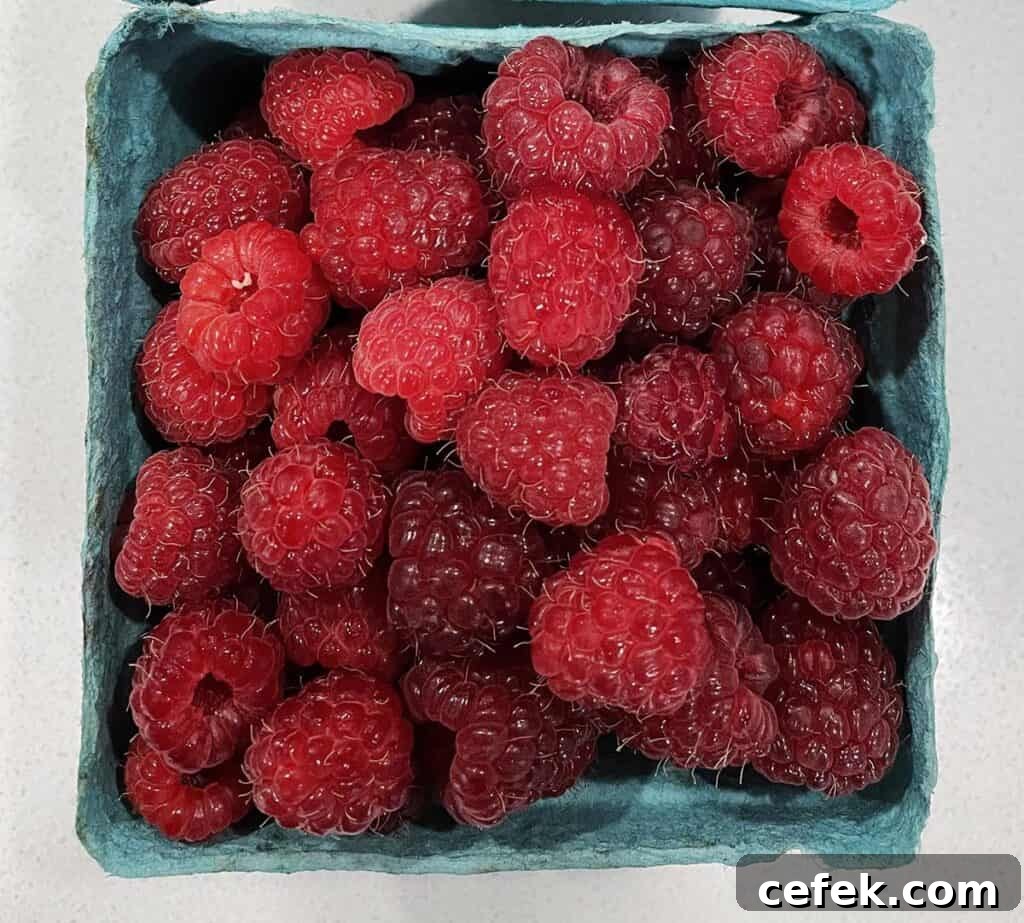
Lightweight ceramic berry containers are handy for harvesting and look attractive on the table. Handle fruit gently to avoid bruising.
Cooking with Raspberries
Fresh raspberries are delicious eaten straight from the vine. When they make it indoors, they’re excellent in dutch babies, ice cream, smoothies, cobblers, and other baked goods. Raspberries pair beautifully with citrus — try adding fresh lemon or lime zest or juice for brightness.

One simple preservation method is freezer jam, made once a season to enjoy all year. Raspberries have high water content, so consider moisture in recipes and baking. They also freeze well when handled correctly.
How to Freeze Raspberries
Freezing is an easy way to extend your raspberry harvest through the year. Follow these steps for best results:
- Gently wash raspberries and remove any stems, leaves, or dirt.
- Pat or air-dry them until completely dry.
- Arrange berries in a single layer on a parchment-lined baking sheet.
- Freeze for about 3 hours, or until fully solid.
- Transfer frozen berries to labeled freezer bags, remove excess air, and seal.
- Store up to one year for best quality.
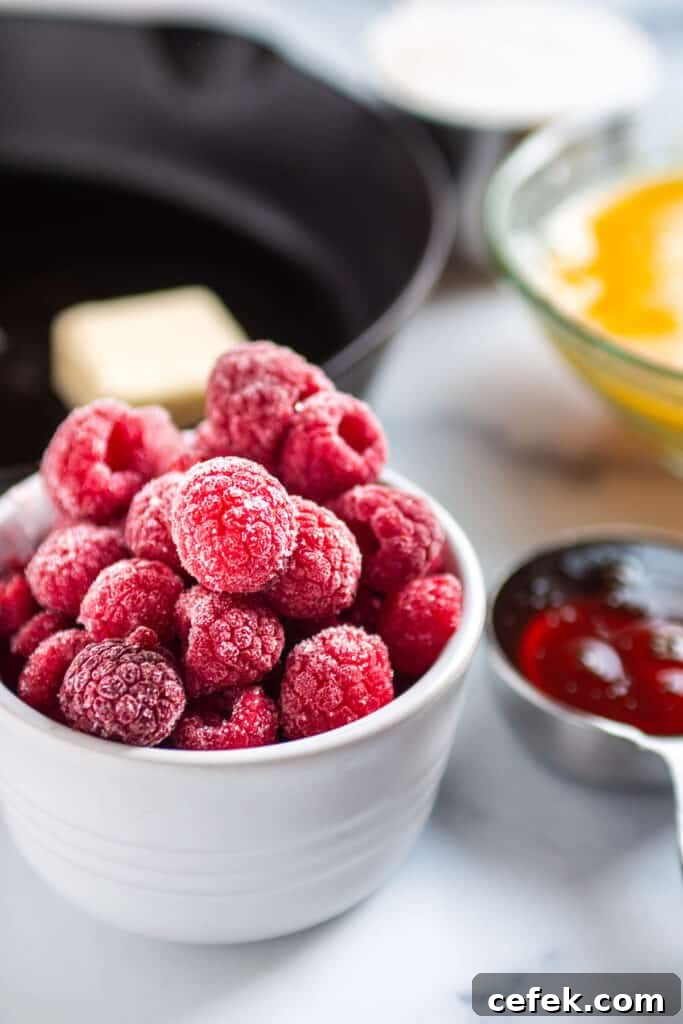
Use frozen raspberries by thawing at room temperature or adding them directly to baking dishes. Frozen berries lose some firmness and are best used in cooking, smoothies, or sauces.
If you’re starting a garden or expanding one, raspberries are a satisfying and productive choice. They reward patience with abundant, flavorful fruit and are versatile in the kitchen.
Lets Connect!
If you’re beginning a garden, consider resources for planning and planting a successful space. Many gardeners use planners and seasonal checklists to track tasks and timelines. Sharing progress and photos of your raspberry patch on social media can be motivating — gardeners enjoy seeing one another’s successes and swapping tips.