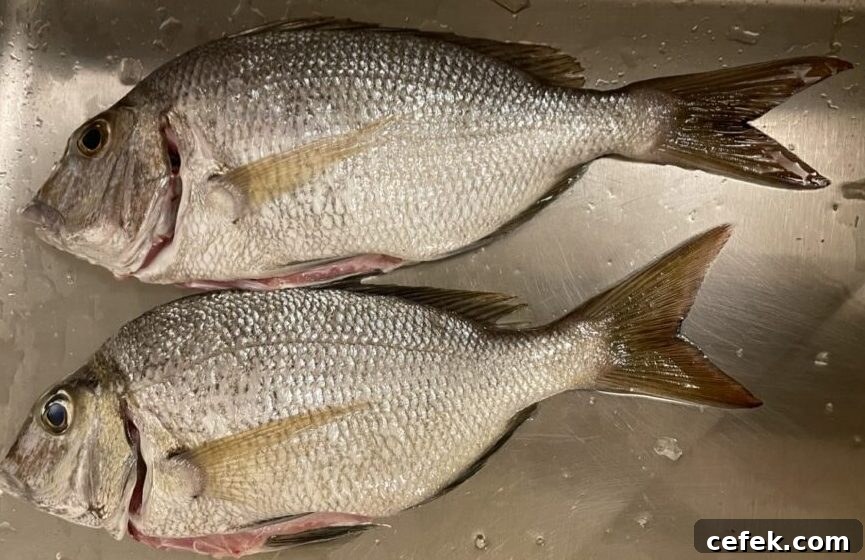
If you love the outdoors and enjoy foraging or fishing, learning how to clean a whole fish is a valuable skill. I believe everyone should be comfortable doing traditionally “manly” tasks—women included—so we don’t have to rely on a partner or a handyman. On a recent trip to Nantucket I fixed a leaky toilet myself and taught a local teenager how to remove a hook and clean a fish. My friend Leo was impressed.
I’m one of the women who genuinely enjoy fishing. I love the thrill of the catch. For my fortieth birthday I took my family to Alaska to fish for salmon and halibut, and we brought home 400 pounds of fillets.
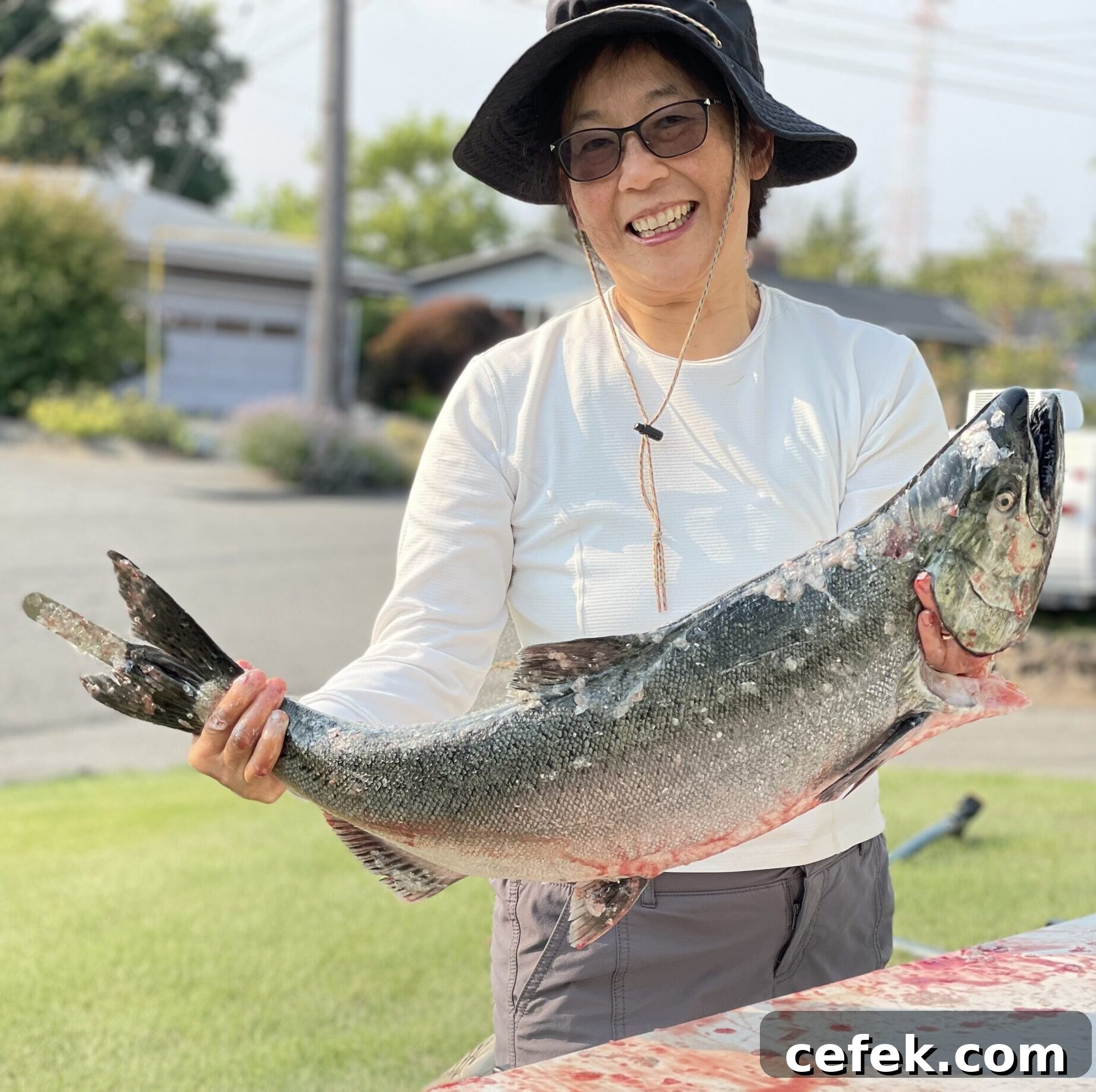
Catching and cleaning salmon.
A few months ago I went out on a party boat and almost won the jackpot—my barracuda was just a few ounces shy of the heaviest fish. I did, however, catch the most variety of species that day.
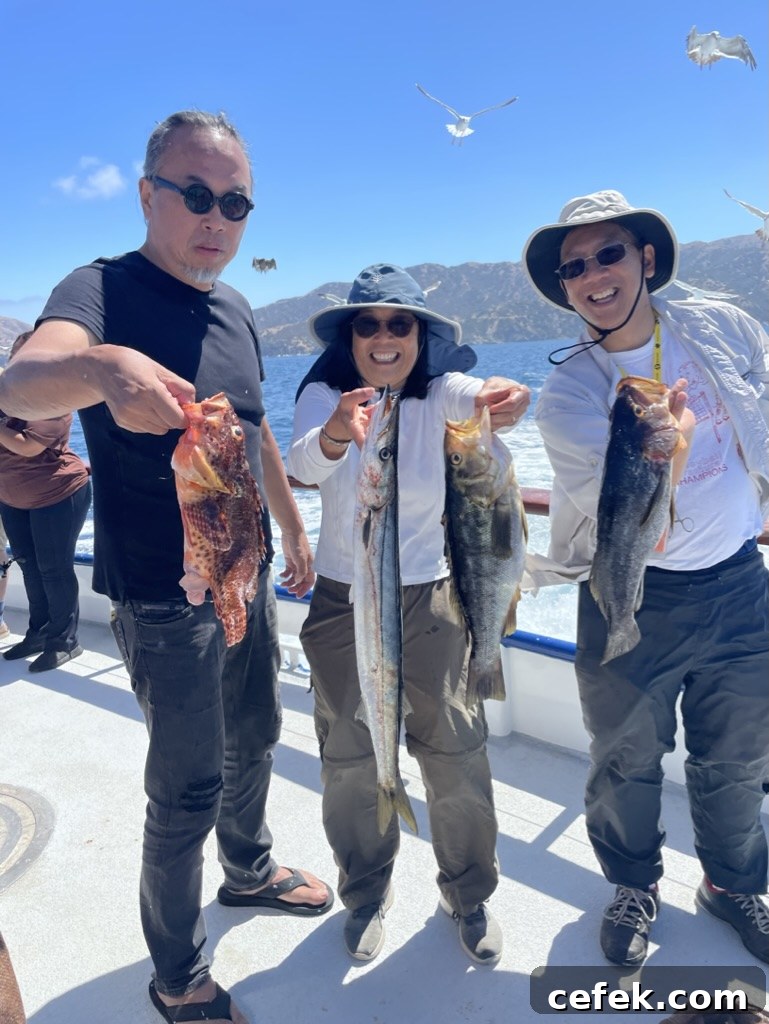
Friends and family showing some of the catch.
Nantucket is a forager’s paradise, both on land and at sea—sometimes it feels like the Garden of Eden. I’ve learned a lot about the local waters thanks to friends and guides, and I’ve caught stripers, bluefish, porgies (scup) and, recently, my first bonito. I’ve also cleaned squid, gone crabbing for blue crabs and foraged for mussels and scallops. When fishing doesn’t go my way, Glidden’s Seafood is a reliable fallback.
If you’re thinking of visiting Nantucket, consider renting fishing gear or hiring a guide. You can also fish for porgies or scup near Brant Point, where locals are usually happy to share tips.
This post focuses on what to do after you catch a fish—how to clean and prepare a whole fish so it’s ready to cook. There’s nothing better than eating fish that was caught a few hours earlier. Enjoy the process and the meal!