
Every time I’m at the grocery store buying coconut oil, I face two main choices: refined or unrefined. Unrefined products are usually pricier, which raises the question: is unrefined really better for you? Below I explain the differences, benefits, and how to choose the right coconut oil for your needs.
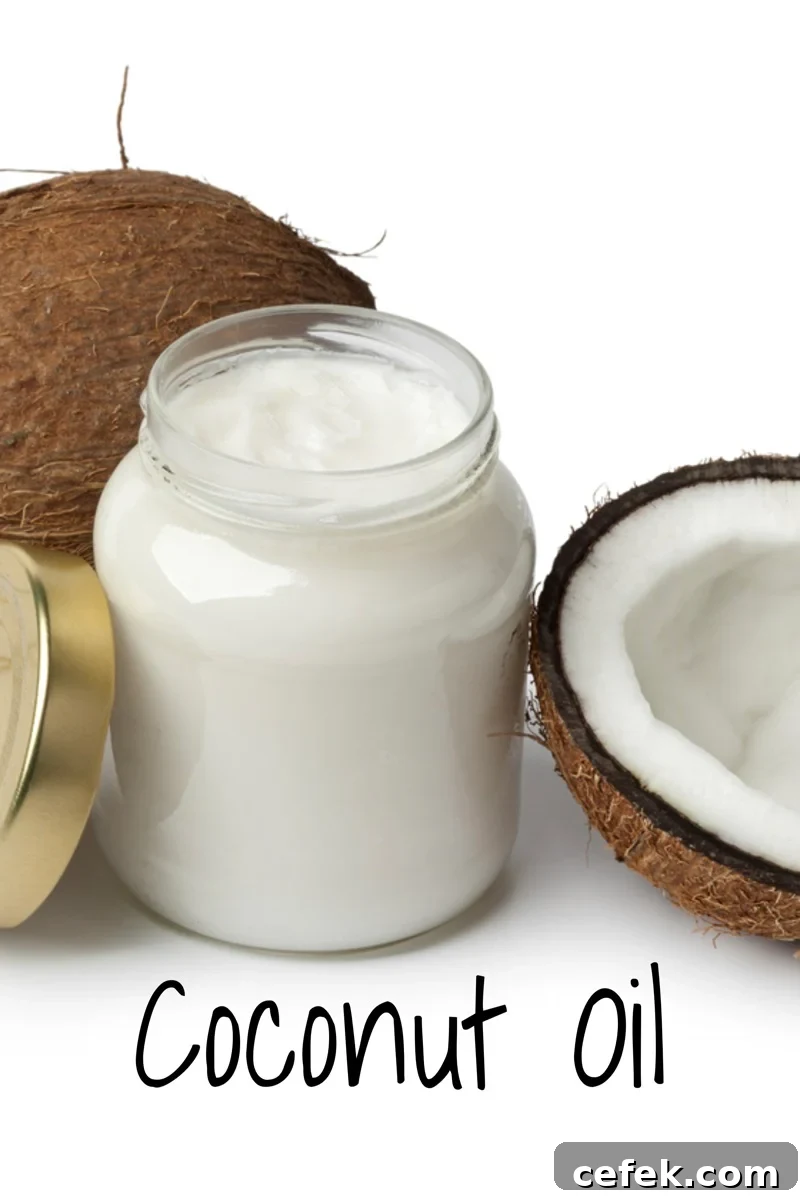
Let’s Start at the Beginning
All coconut oil is made from the white flesh of the coconut. The main distinction between refined and unrefined coconut oil comes down to how the coconut meat is handled before extraction. Unrefined coconut oil is produced from fresh coconut meat, while refined coconut oil is made from dried coconut meat, also known as copra.
In general, “unrefined” indicates less processing and a product that retains more of its natural characteristics. That holds true for coconut oil: unrefined oil typically undergoes fewer processing steps and preserves more of its natural aroma and nutrients.
Unrefined vs. Refined
Unrefined Coconut Oil
Unrefined coconut oil is often labeled as virgin or pure coconut oil and represents the least processed form available. The oil is extracted from fresh coconut meat using dry or wet processing methods and is commonly cold-pressed to preserve its natural qualities.
Unrefined coconut oil retains a recognizable coconut aroma and flavor. It typically has a lower smoke point, around 350°F (about 177°C), so it’s better suited to low- and medium-heat cooking or for use in baking, spreads, and skincare.
Refined Coconut Oil
Refined coconut oil is made from coconut meat that has been dried before extraction. The refining process removes much of the natural coconut scent and flavor, producing a more neutral-tasting oil.
Refining usually involves filtering and deodorizing; some manufacturers may use additional steps to achieve a neutral flavor and higher stability. In some cases, partial hydrogenation has been used historically, which can introduce trans fats, so it’s important to choose reputable sources. Properly refined oils that are steam-refined or processed without harsh chemicals will be free of those concerns.
Because refined coconut oil has a higher smoke point, generally around 400°F (about 204°C), it is a good choice for high-heat cooking like frying or searing. If you prefer an oil without a coconut flavor in your dishes, a high-quality refined coconut oil is a practical option.
How to Shop for Coconut Oil
Unrefined or virgin coconut oil is straightforward to shop for: look for labels that say “unrefined,” “virgin,” or “cold-pressed.” These products are often organic and carry minimal processing claims.
When choosing a refined coconut oil, check the manufacturer’s description of the refining process. Favor oils refined using natural methods (for example, steam refining) and avoid products that list hydrogenation or unspecified chemical processing. Refined oils are typically less expensive, which can be an advantage if you need a neutral-flavored oil for high-heat cooking.
What Else Should I Know?
- Coconut oil melts at about 76°F (24°C). In warmer climates or during summer months you may find your coconut oil in a liquid state; this is normal and does not affect its quality.
- If a recipe calls for melted coconut oil, try to bring other liquid ingredients (eggs, milk, etc.) to room temperature first. Cold ingredients can cause the oil to re-solidify on contact, making blending more difficult. It usually won’t ruin a recipe but keeping ingredients at similar temperatures improves texture and consistency.
- Coconut oil can generally be substituted 1:1 for butter or other oils in most recipes. It works especially well in baked goods and in recipes where butter and sugar are creamed together, delivering moisture and a tender crumb.
For most of my cooking and baking I prefer unrefined coconut oil because it undergoes less processing and is closer to its natural form. In many baked goods you won’t notice a coconut flavor, even with unrefined oil.
If you prefer refined coconut oil for its neutral taste or higher heat tolerance, select brands that specify gentle refining methods such as steam refinement. Choosing reputable brands helps ensure the oil was produced without harmful additives or hydrogenation.
Curious About Other Common Ingredients?
See related posts for more guidance on common pantry ingredients and how to choose quality options.