Learn What Foods to Avoid (and How to Spot Them) on a Gluten-Free Diet
Understand what gluten is, where it’s found, common ingredient names that indicate gluten, and a detailed list of foods that often contain gluten. Download a free checklist to help you read labels and identify hidden sources of gluten.
Disclaimer: This post contains affiliate links. I may earn a small commission if you make a purchase, at no extra cost to you. I only recommend products I trust and use myself.
Switching to a gluten-free diet can feel overwhelming at first. One of the biggest challenges is recognizing what gluten actually is and which foods contain it.
Gluten isn’t something most of us learned about in school, so it’s normal to feel unsure. Let’s cover the essentials so you can shop and eat with confidence.
Start at the beginning:
Related post: The Best Gluten Free Flour Blend
What is gluten?
Gluten is a storage protein found in certain cereal grains—specifically barley, wheat, and rye. It’s present throughout these grains and cannot be separated out by removing any single part. In food, gluten acts like a glue, giving dough its elasticity and baked goods their chewy, soft texture.
What is gluten in?
Gluten is in these three grains:
- Barley
- Wheat
- Rye
To be clear: gluten is a protein found only in barley, wheat, and rye. Fresh vegetables, plain rice, and most unprocessed cheeses do not contain gluten. The trickiness comes from processed foods and ingredients that are derived from those three grains but listed under different names.
Related post: How to Survive Your First Week Eating Gluten-Free
Why labels matter
Foods often include ingredients derived from wheat, barley, or rye without explicitly listing those grain names. Becoming a diligent label reader is essential when you live gluten-free.
Ingredients that come from or commonly contain wheat, barley, or rye
Wheat:
- Wheatberries
- Wheat bran
- Wheat germ
- Wheat starch
- Durum
- Emmer
- Semolina
- Spelt
- Farina
- Farro
- Graham
- Kamut
- Einkorn
Barley:
- Malt (including malted milk, malted vinegar, malt extract, and malted barley—commonly used in beer and flavorings)
Rye:
- Pumpernickel
Triticale
Triticale is a hybrid grain made from wheat and rye, and it contains gluten.
Now that we know what gluten is and which grains contain it, here are common places you will find gluten-containing ingredients. Many processed foods use wheat, barley, or rye derivatives as thickeners, fillers, coatings, or flavor carriers.
When I first went gluten-free, I didn’t realize that some candies and mints used wheat-based ingredients. After that mistake I started checking labels more carefully. Below are items that frequently contain gluten and should be checked before you eat them.
Foods that commonly contain gluten
- Battered or breaded fish
- Bread crumbs and foods that contain them (meatloaf, some frozen meals)
- Breaded meats and cutlets
- Boxed potato or rice skillet mixes
- Cereal (many contain wheat or malt)
- Chewy candy, including some mints and gum
- Salad dressings and marinades
- Gravies and sauces
- Canned chili and soups
- Cheesecakes (crusts or thickeners often contain wheat)
- Processed chicken patties (some use wheat as a filler)
- Flavored chips (seasoning blends may contain gluten)
- Crackers and snack mixes
- Creamed soups and soup bases
- Frozen french fries and battered vegetables
- Frozen hash browns (cross-contamination or added ingredients)
- Ice cream containing cookie, cake, or dough pieces
- Licorice and some other candies
- Noodles and pasta unless labeled gluten-free
- Tempura and other battered items
- Teriyaki and some Asian-style sauces
- Sausages and many processed meats (fillers and binders can include wheat)
- Seasoning packets and instant meal mixes
- Soy sauce (most conventional soy sauces contain wheat; tamari is typically wheat-free)
Are oats gluten-free?
Oats themselves are naturally gluten-free. The common issue is cross-contact during growing, processing, or packaging—many oats are processed using equipment that also handles wheat, or they are rolled with wheat flour.
You can buy certified gluten-free oats that are processed in dedicated facilities or rolled with gluten-free flours (rice or other alternatives). If you have celiac disease, choose only oats that are specifically labeled or certified gluten-free. People with non-celiac gluten sensitivity may tolerate conventional oats, but that varies by individual.
About maltodextrin
Maltodextrin often raises questions because of the word “malt.” It can be produced from corn, rice, potato starch, or wheat. However, maltodextrin undergoes extensive processing (hydrolysis), which removes the gluten protein. As a result, maltodextrin derived from wheat is generally considered gluten-free. That said, maltodextrin has a high glycemic index and is commonly used as a cheap filler, so many people avoid it for health reasons regardless of gluten content.
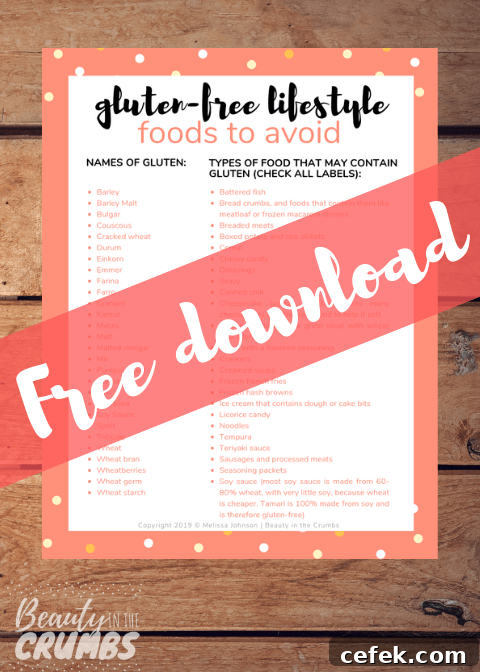
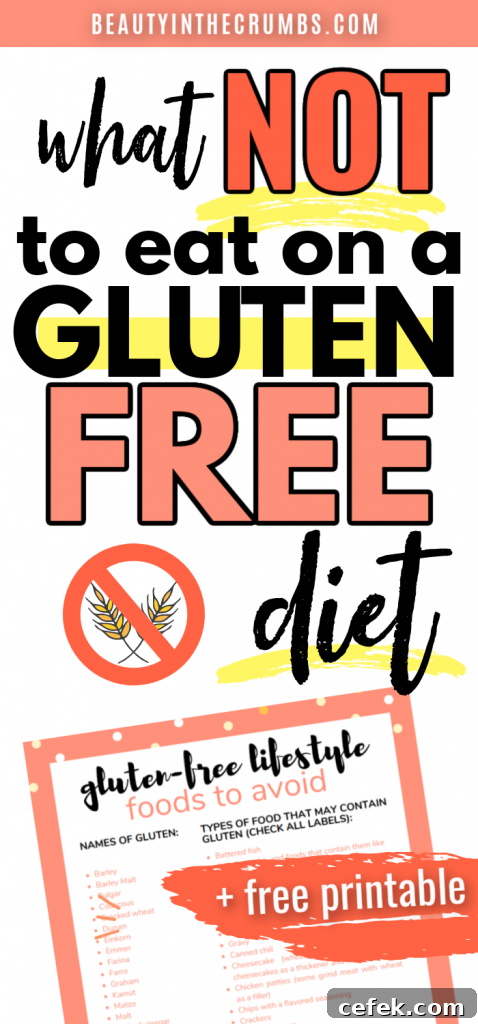
If you missed the printable checklist, it lists the names and common sources of gluten so you can carry it on your phone or print it for easy label checks.
To sum it up
- Gluten is a protein found in barley, wheat, and rye (triticale is a wheat–rye hybrid).
- Keep a list of alternate names for gluten-containing ingredients handy for quick reference.
- Read labels thoroughly and watch for hidden sources like malt, starches, and flavorings.
- Avoid processed and prepared foods unless they’re labeled gluten-free.
- Choose certified gluten-free oats if you have celiac disease; those with sensitivity may tolerate conventional oats, but check first.
Resources:
- Celiac disease organizations and official guidance (consult reputable sources for the latest information)
- Nutrition and ingredient reference sites for checking unfamiliar terms