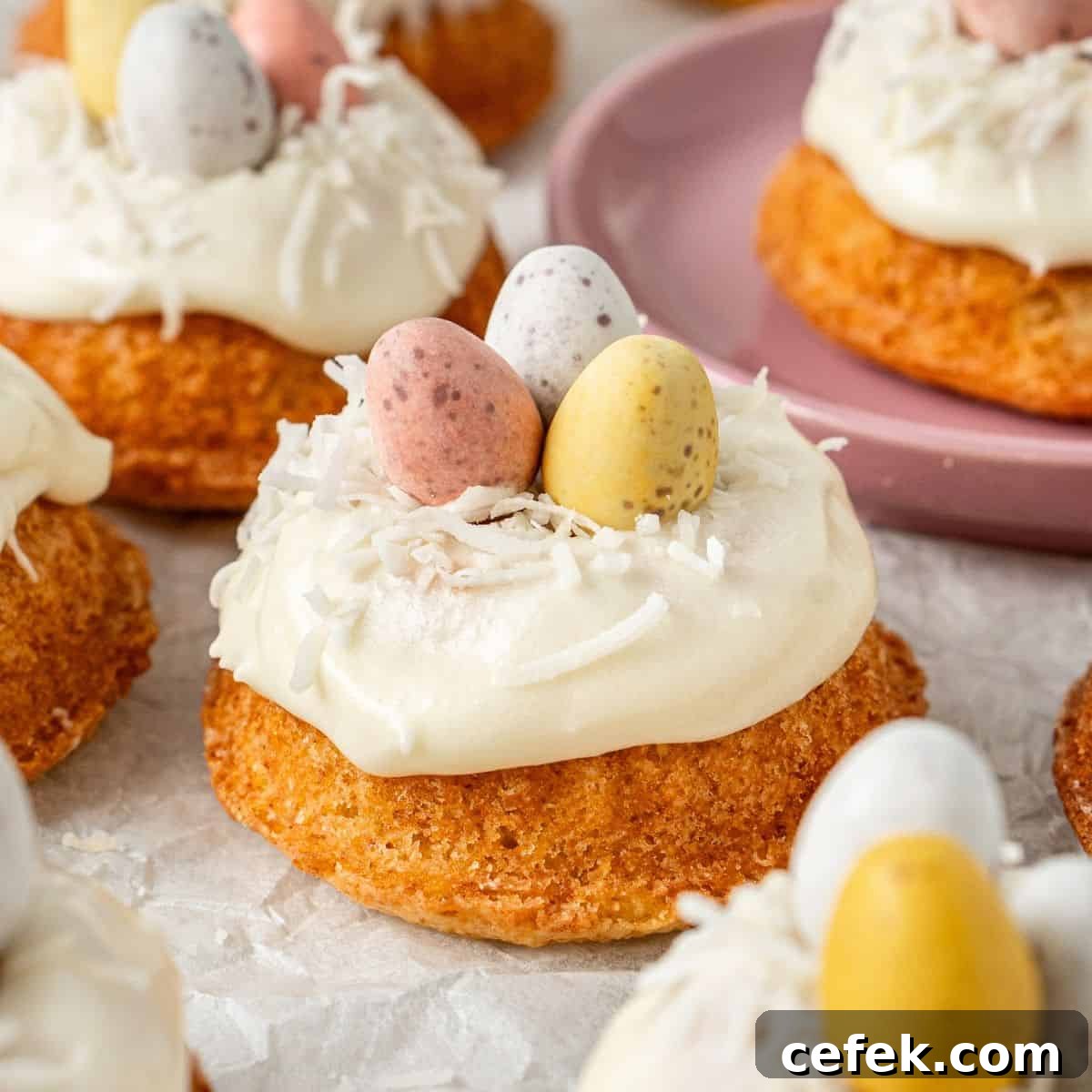
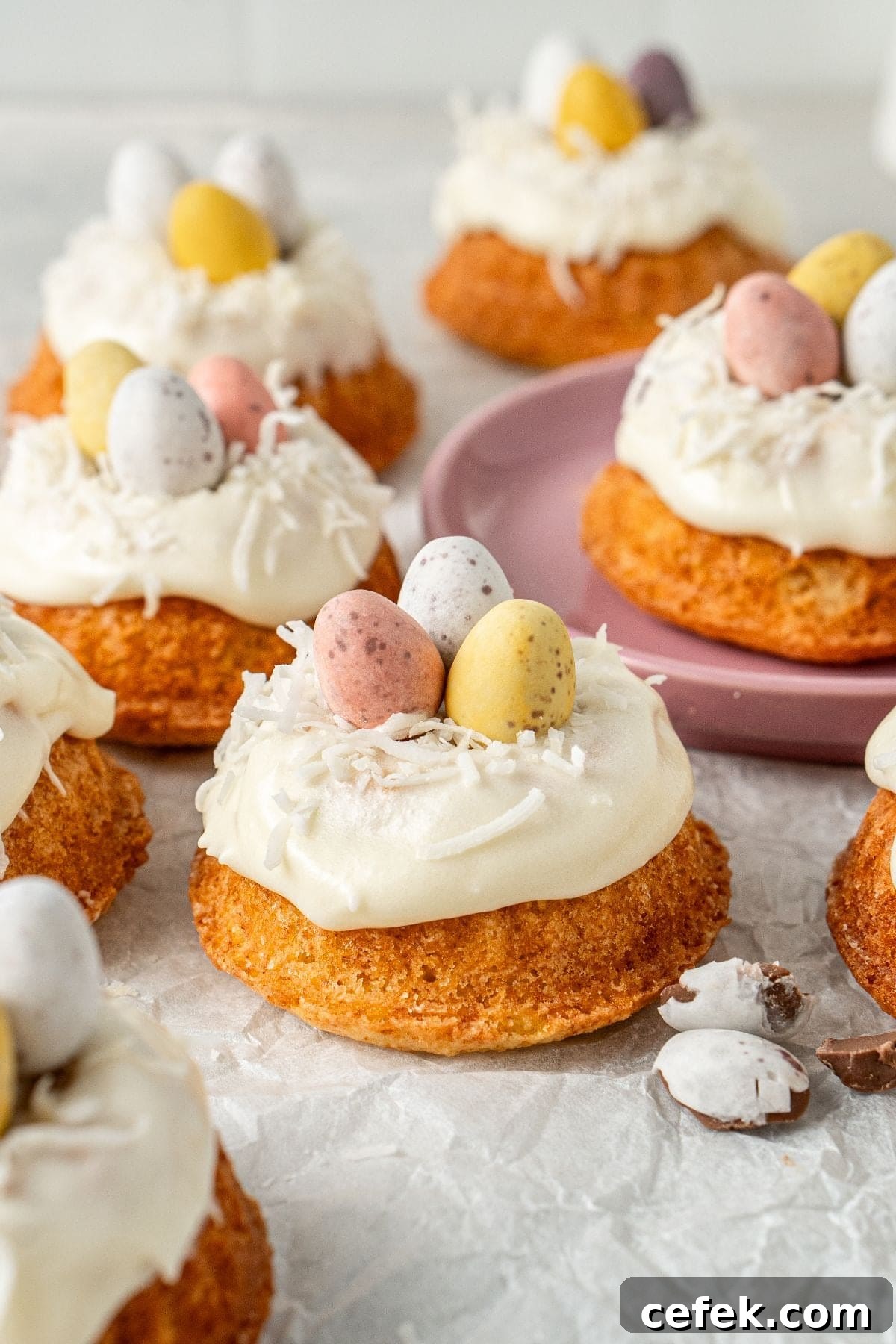
Delight your guests with these Gluten-free Mini Easter Bundt Cakes. Moist and tender, they are simple to make and bring a cheerful touch to any celebration. The base is a classic vanilla cake with a portion of almond flour for extra texture and flavour. Topping is kept easy—creamy frosting, a dusting of shredded coconut and pretty Easter eggs—so you get an attractive result without complicated decoration. These little cakes are fun to make and perfect for anyone young at heart.
I made these at the weekend with my daughter – so cute AND so tasty too!
– Gavin
Why You’ll Love This Recipe:
- They make a delightful, individual Easter dessert and are fun to decorate.
- Mini Bundt Cakes are versatile for any occasion—easy to customise the toppings.
- Making them at home means you are in control of the ingredients, avoiding unnecessary additives.
- The recipe works well with a tested gluten-free flour blend.
- The aroma while baking is irresistible and worth the effort.
- Perfect single portions—easy to serve.
A Note from Alex…
I love serving individual desserts. A selection of small treats—like these mini bundts, chocolate raspberry bites or mini meringues—feels elegant and removes the fuss of cutting a large cake. This recipe draws on the French “quatre-quarts” idea of balanced weights of eggs, butter, sugar and flour. We use two large eggs and a blend of almond and plain flour for the best texture.
Alex xo
Ingredients and Substitutions:
Please see the recipe card further down for exact quantities and the full method.
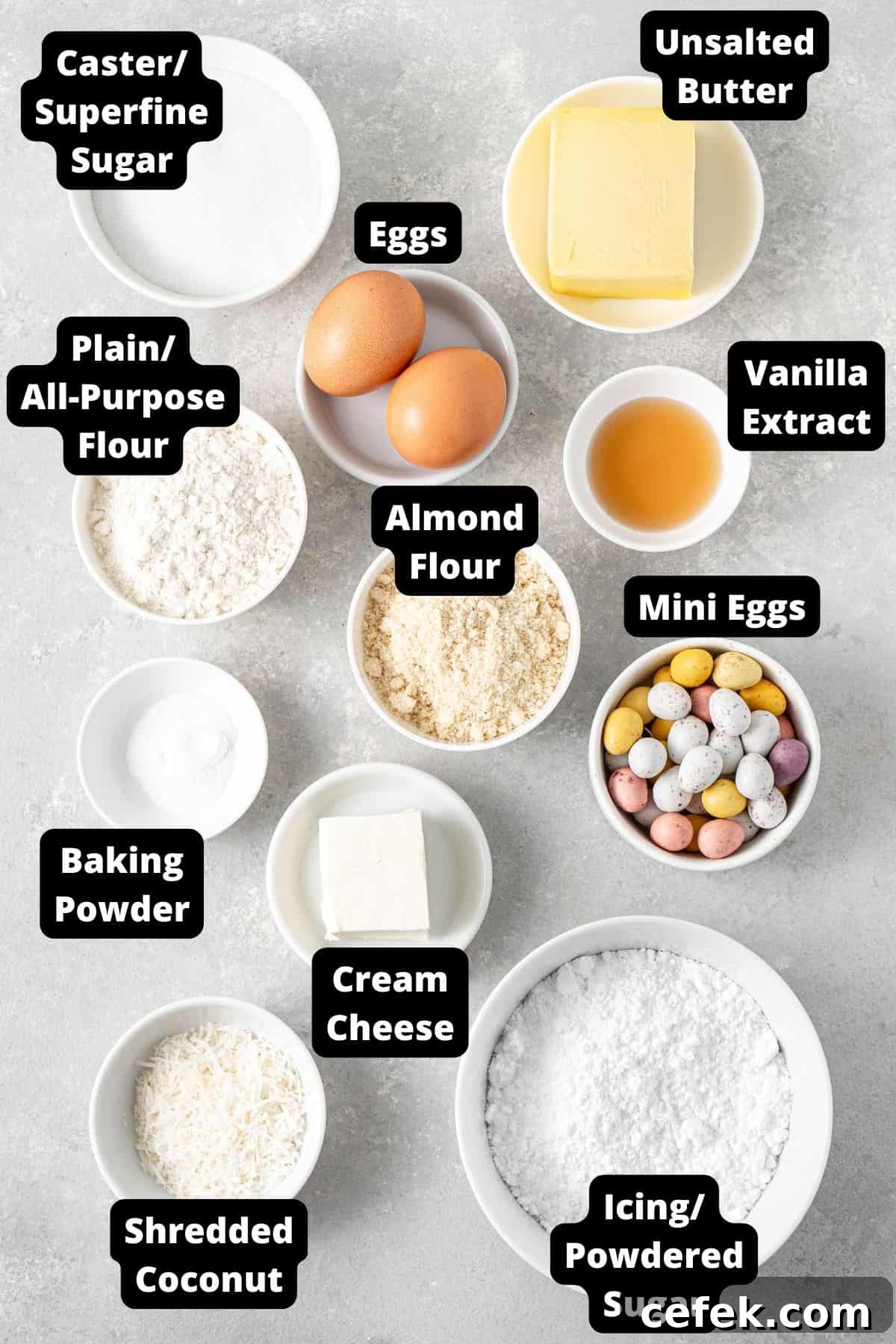
- Unsalted butter: adds flavour and tenderness; use softened butter for greasing and frosting.
- Caster/superfine sugar: finer than regular sugar and dissolves readily for a smooth crumb.
- Vanilla extract: use pure vanilla for the best flavour in both cake and frosting.
- Large eggs: provide structure, moisture and richness—bring to room temperature for best results.
- Almond flour: finely ground blanched almonds for a fine texture; avoid almond meal if you want a lighter crumb.
- Plain/all-purpose flour: use regular or a gluten-free blend if preferred; see notes on xanthan gum below.
- Baking powder: the raising agent—use gluten-free if needed.
- Pure icing/powdered sugar: for the frosting; check gluten-free status if necessary.
- Cream cheese: creates a tangy, smooth frosting when combined with butter and icing sugar.
- Shredded coconut: for a light “nest” texture on top of the frosting.
- Mini eggs: or other Easter chocolates for decoration.
Variations:
Flour: use plain/all-purpose flour or a good quality gluten-free blend that contains xanthan gum to stabilise the batter.
Decorations: swap or add sprinkles, chopped nuts or different candies to match your theme.
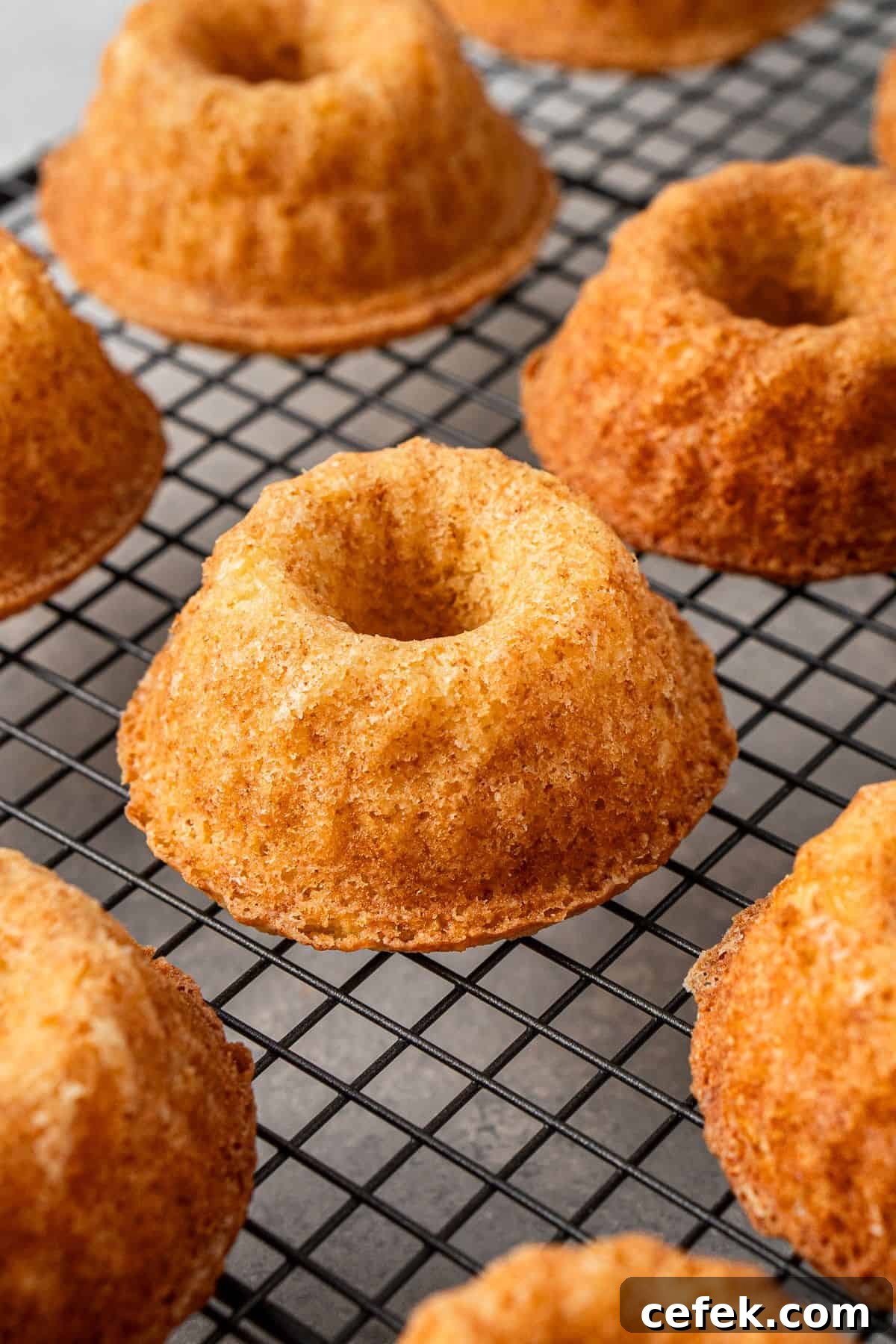
How To Make Easter Mini Bundt Cakes:
Please see the recipe card further down for exact quantities and the full method.
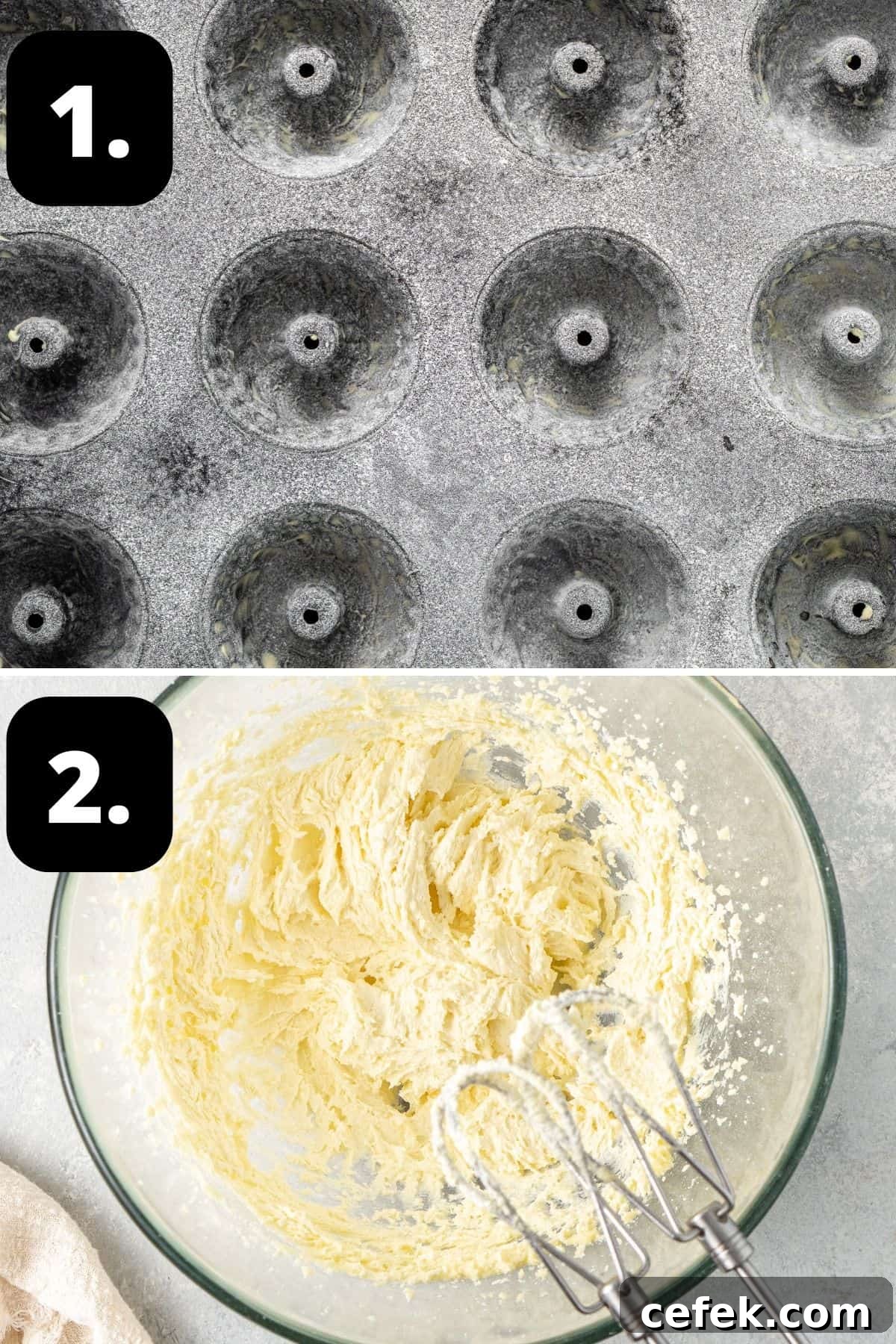
1 – Prepare your mini bundt tins:
Brush the tins with very soft butter, paying attention to grooves, then dust with flour and tap out the excess.
2 – Cream butter and sugar:
Beat softened butter and caster sugar until pale and creamy, about 3 minutes. Add vanilla, then eggs one at a time, beating well after each.
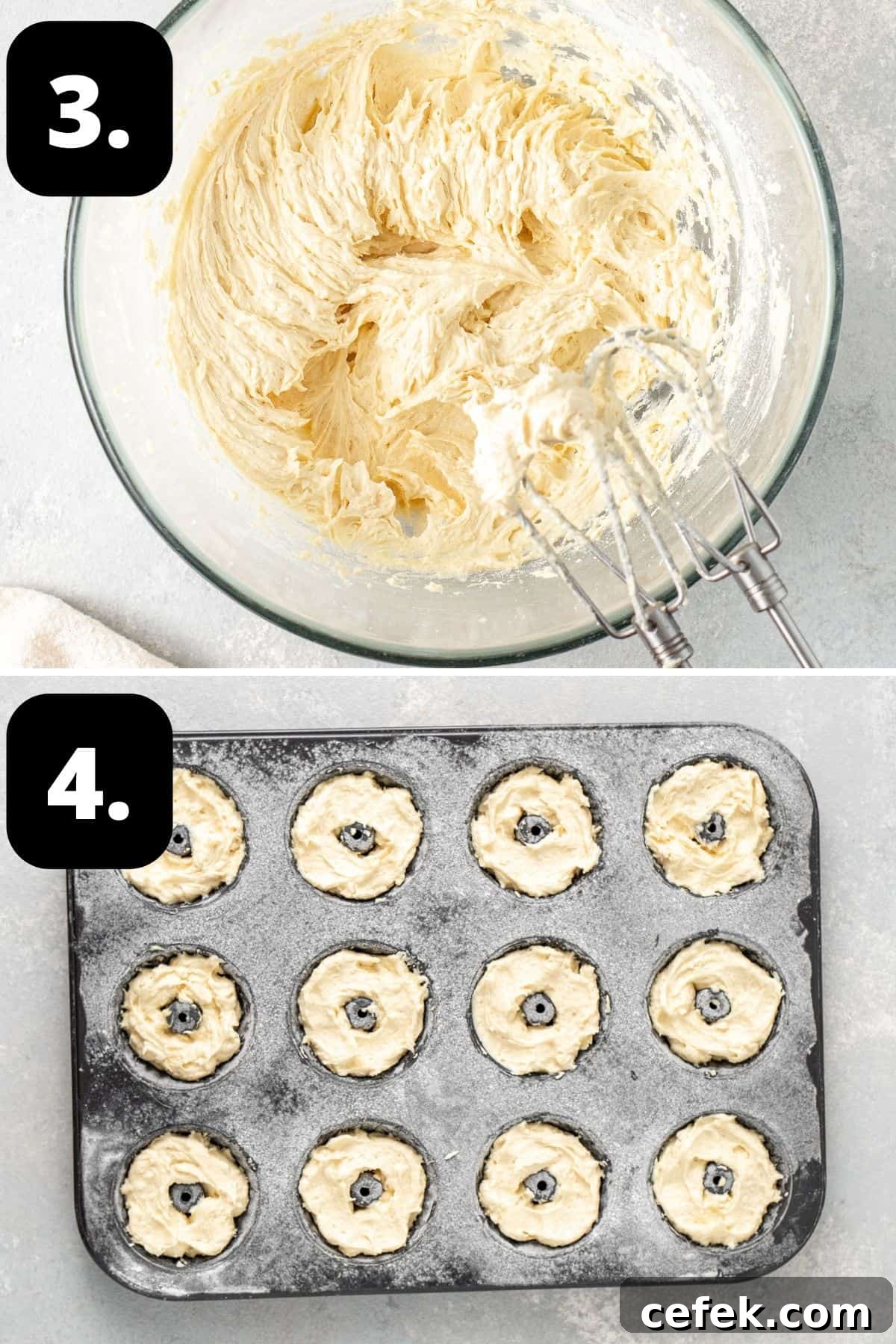
3 – Add dry ingredients:
Fold in almond flour, plain flour and baking powder, mixing until just combined and scraping the bowl as needed.
4 – Fill the tins:
Divide the batter between the 12 moulds using a teaspoon or piping bag (each mould holds about 6–7 teaspoons). Bake in a preheated oven until a skewer comes out clean.
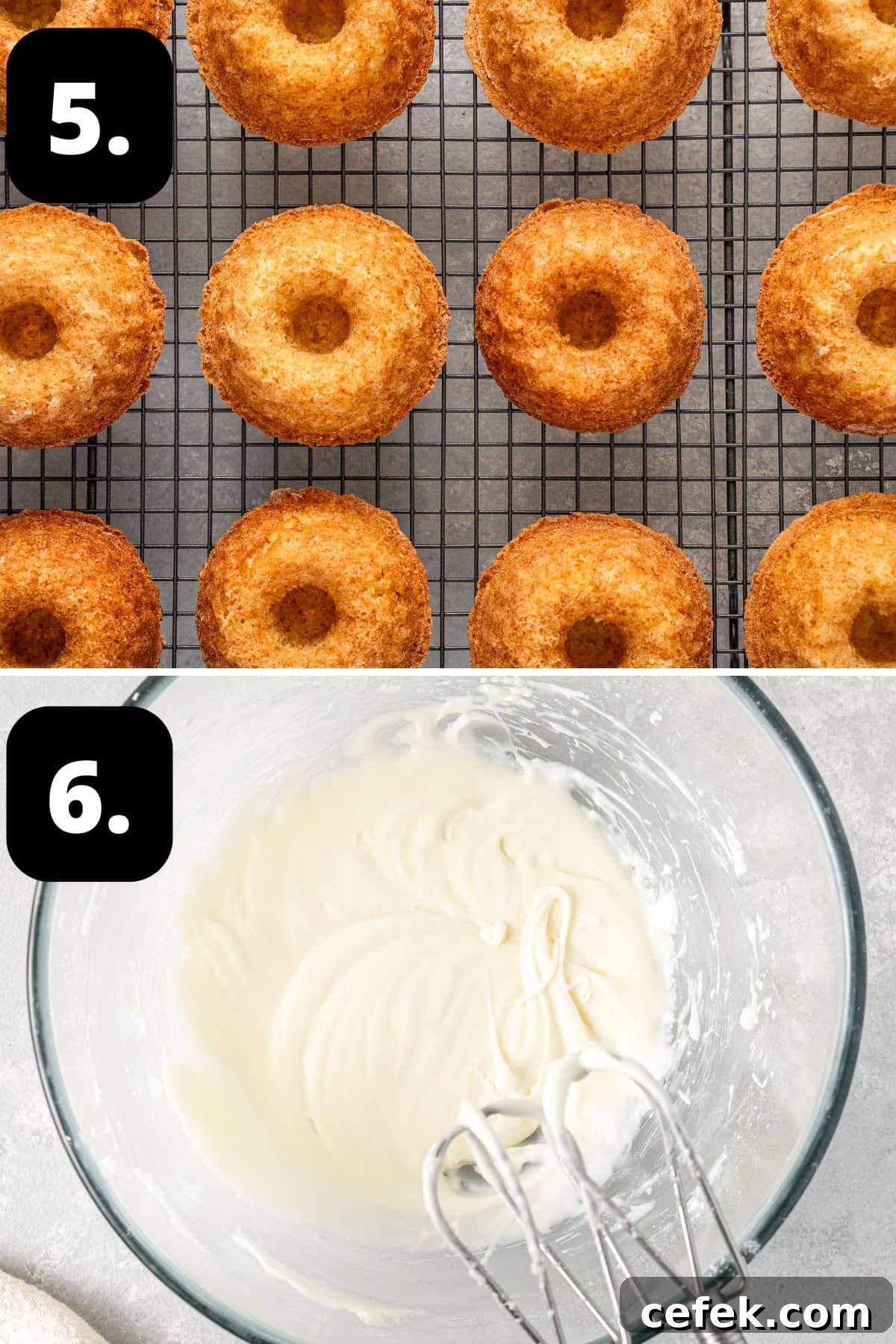
5 – Cool the cakes:
Let the cakes cool in the tin for a couple of minutes, then turn out onto a rack to cool completely before decorating.
6 – Make the frosting:
Beat cream cheese and softened butter until smooth, add sifted icing sugar and vanilla, then mix on low. Add 1–2 teaspoons of water to reach a spreadable consistency.
Decorate with the cream cheese frosting, sprinkle with shredded coconut and top with mini eggs or other Easter chocolates.
Hint: For consistent results, weigh ingredients where possible—baking responds best to accuracy.
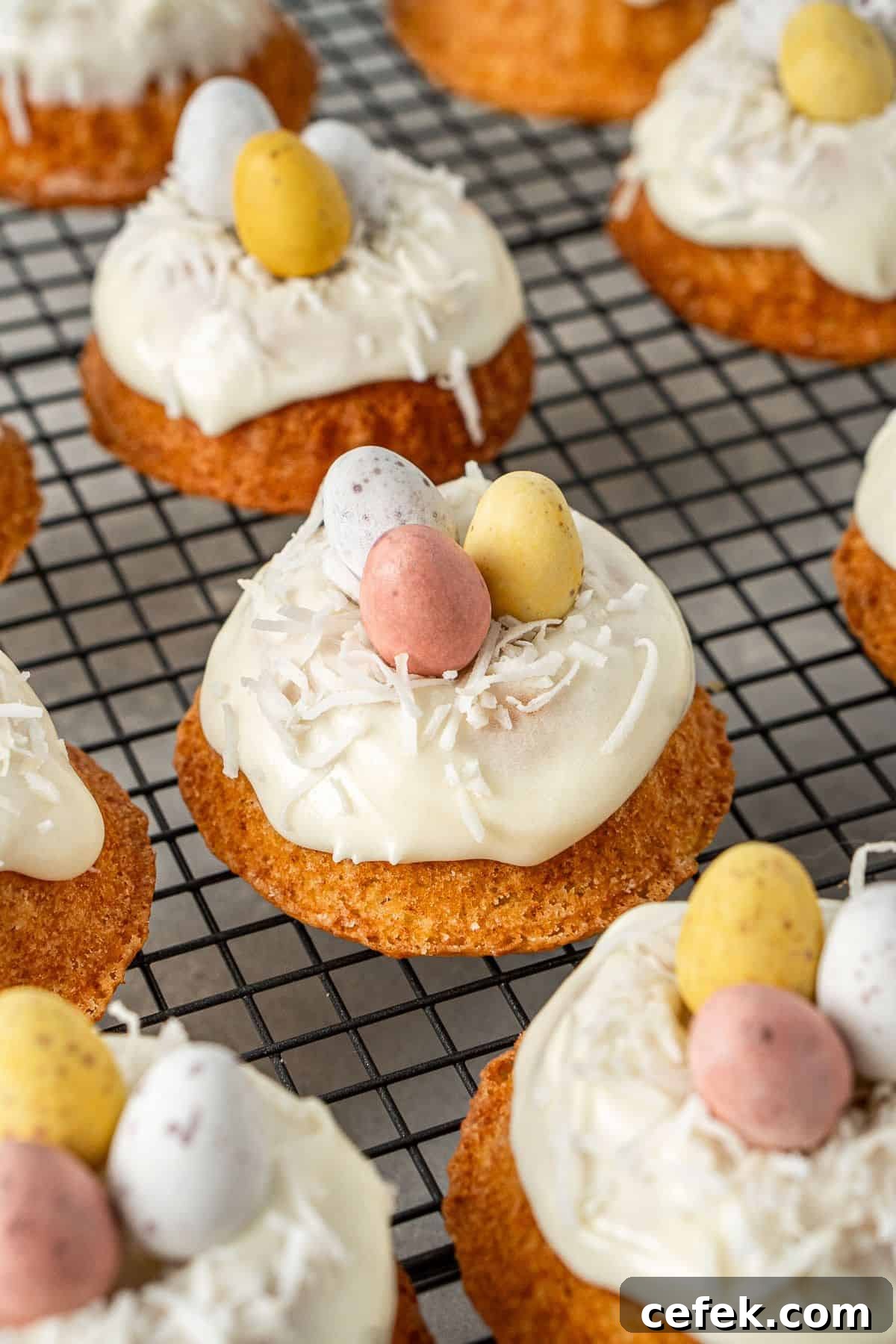
Tips for Success, Storage and FAQs:
Coat the tin thoroughly with very soft butter using a pastry brush, getting into all the grooves. Dust with flour using a fine sieve and tap out the excess to ensure the cake releases cleanly and retains the tin’s pattern.
Yes. Replace the almond flour with additional plain/all-purpose flour (adjust to the recipe quantities) and proceed as directed.
Beat for about three minutes until the mixture is pale and creamy. This helps dissolve the sugar and incorporates air for a lighter cake.
They are best the same day but keep well in an airtight container at room temperature for up to three days.
Yes—freeze undecorated cakes wrapped well or in an airtight container for up to two months. Thaw in the fridge when ready to decorate.
Top Tip:
Use room temperature ingredients for best baking results. If eggs are cold, place them in slightly warm water for 5–7 minutes to bring them to room temperature—avoid hot water to prevent partially cooking them.
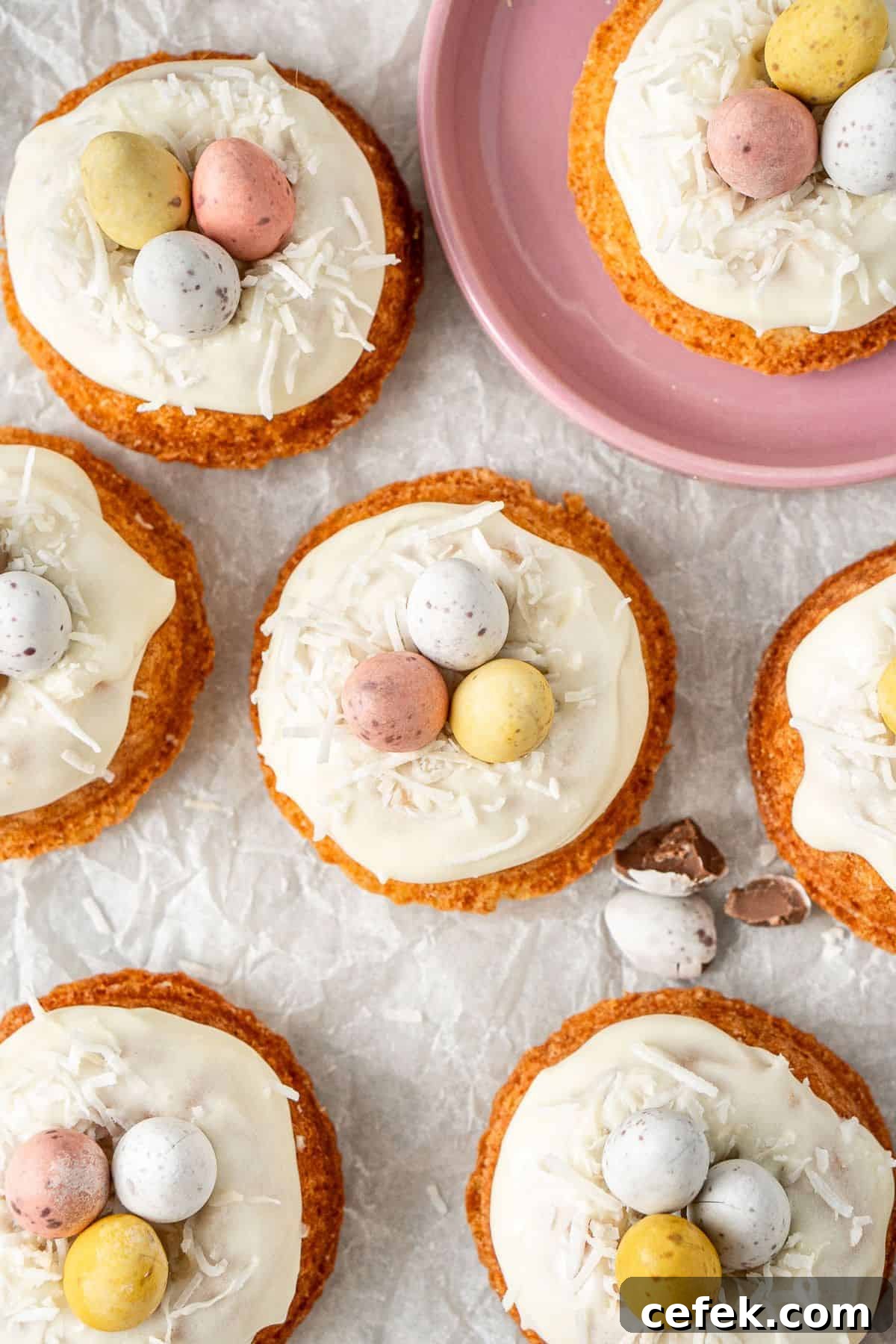
Serving Suggestions:
Mini bundt cakes are elegant and adaptable. Ideas for serving:
- Dress them up with simple or elaborate decorations to match your theme.
- Arrange on a pretty platter for an Easter table—they’re always a hit.
- Include them in a dessert selection with coconut macaroons or chocolate truffles for variety.
- Package a few in a decorative box for a thoughtful hostess gift.
These Gluten-free Mini Easter Bundt Cakes are crowd-pleasers—if you try them, please share your thoughts in the comments.
Alex xo
More Delicious Recipes For You To Try:
-
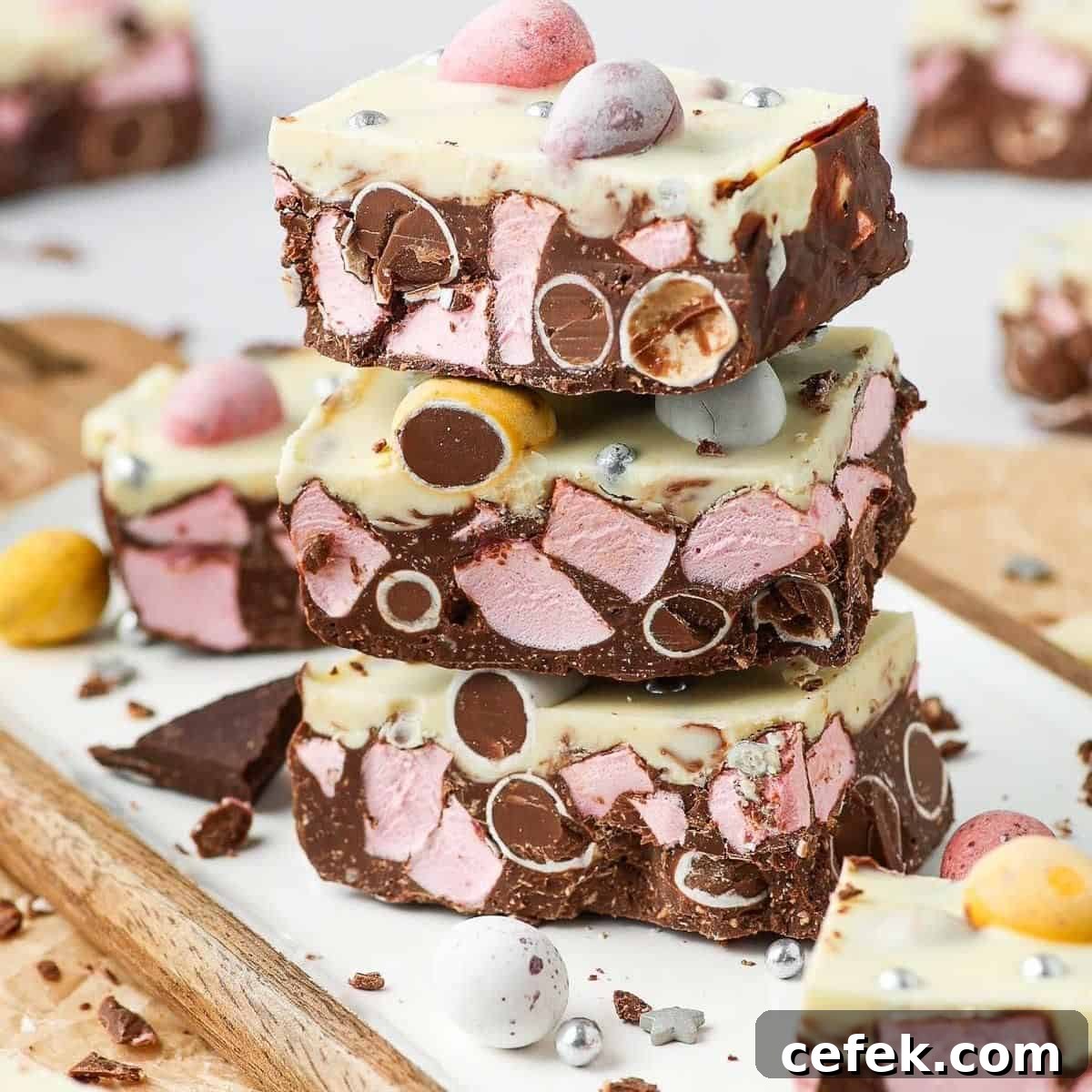
Easter Rocky Road
-
Easy Easter Cookies (Gluten-Free Option)
-
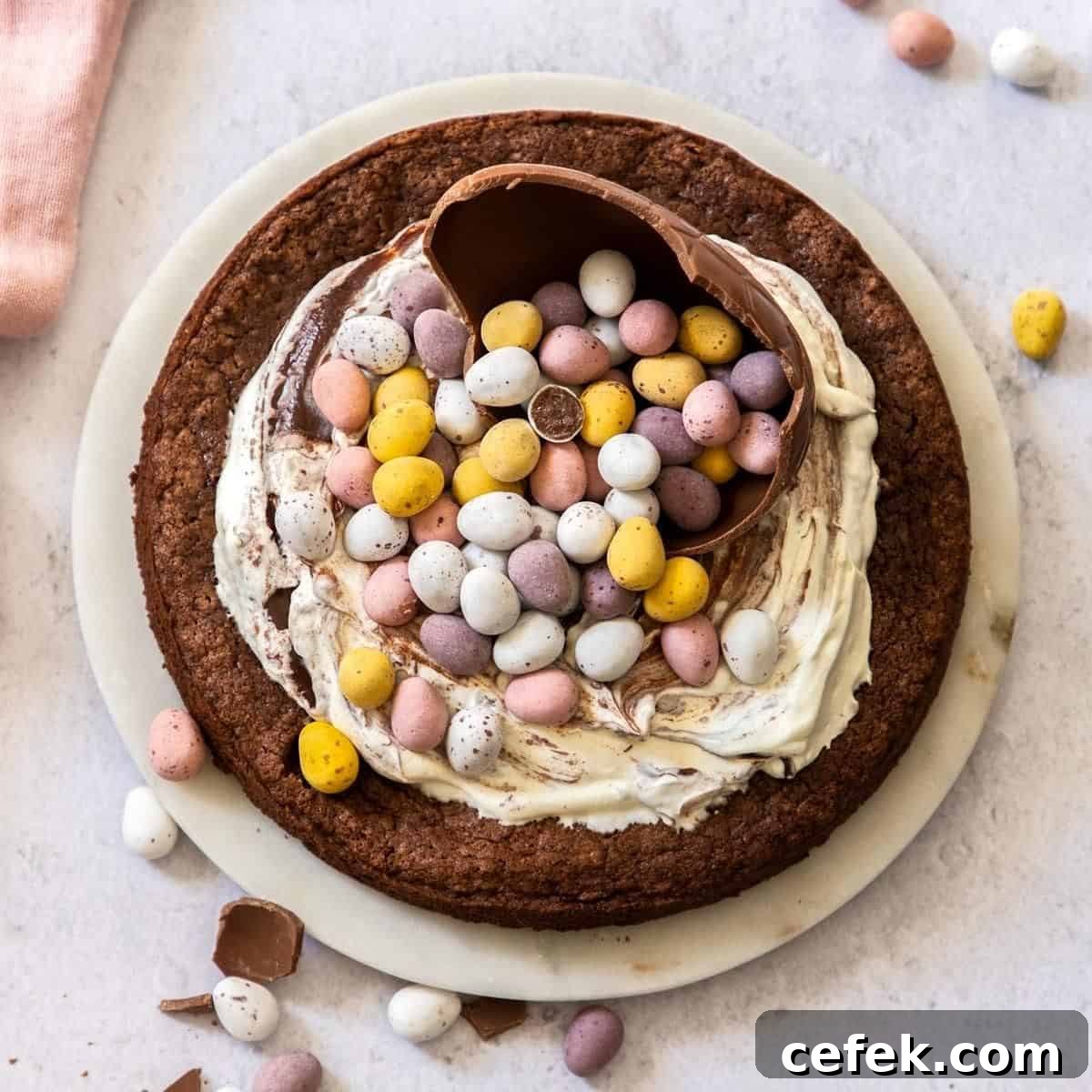
Easter Mini Egg Chocolate Cake (Gluten-Free Option)
-
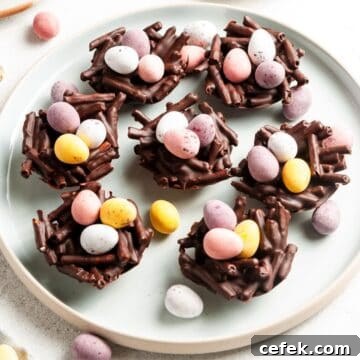
Chocolate Pretzel Easter Bird Nests

Did you try this recipe?
We’d be grateful if you leave a review in the comment box below the recipe.

Mini Easter Bundt Cakes (Gluten-Free Option)
Equipment
-
12-cup mini bundt tin – 7 cm (2.7 inches) in diameter.
Please note:
For accuracy, when weights are provided we recommend weighing ingredients. Oven temperatures are for fan-forced ovens.
Ingredients
For Preparing the Bundt Tins:
- 2 teaspoon unsalted butter – very soft
- 2 teaspoon gluten-free plain/all-purpose flour
For the Mini Bundt Cakes:
- 125 g unsalted butter – at room temperature
- 125 g caster/superfine sugar
- 1 teaspoon vanilla extract
- 2 large eggs – at room temperature
- 50 g almond flour
- 75 g gluten-free plain/all-purpose flour
- 1 teaspoon baking powder
For the Frosting and Decorations:
- 150 pure icing/powdered sugar – sifted
- 30 g unsalted butter – very soft
- 60 g cream cheese – at room temperature
- ½ teaspoon vanilla extract
- 1-2 teaspoon water – to get desired texture
- 5 teaspoon shredded coconut
- 36 mini eggs – or other Easter eggs of your choice
Instructions
-
Preheat oven to 180°C (355°F) fan-forced.
-
Prepare bundt tins: brush with very soft butter, dust with flour using a fine sieve and tap out excess.
-
Cream butter and sugar for about 3 minutes until pale and creamy.
-
Add vanilla and eggs one at a time, beating well after each addition.
-
Fold in almond flour, plain flour and baking powder until just combined.
-
Divide batter among the 12 moulds (about 6–7 teaspoons each) and bake for approximately 12 minutes or until a skewer comes out clean. Cool in tin for 2 minutes, then turn out to cool completely.
-
Make the frosting: beat cream cheese and butter until smooth, add icing sugar and vanilla, then a little water to reach spreadable consistency.
-
Decorate with frosting, a sprinkle of shredded coconut and mini eggs.
Notes
- Almond flour: finely ground blanched almonds produce a finer texture than almond meal.
- Plain/all-purpose flour: regular or gluten-free blends work; a blend with xanthan gum helps with structure.
- Pure icing/powdered sugar: sift for a smooth frosting; ensure gluten-free if required.
- Storage: store cooled cakes in an airtight container at room temperature up to three days.
- Freezing: freeze undecorated cakes well wrapped or in an airtight container for up to two months; thaw in the fridge before decorating.
Leave a comment and rating
Nutrition Estimate:
Nutritional Disclaimer:
Nutritional information is an estimate derived from online calculators. For accuracy, calculate nutrition using the specific brands and ingredients you use.