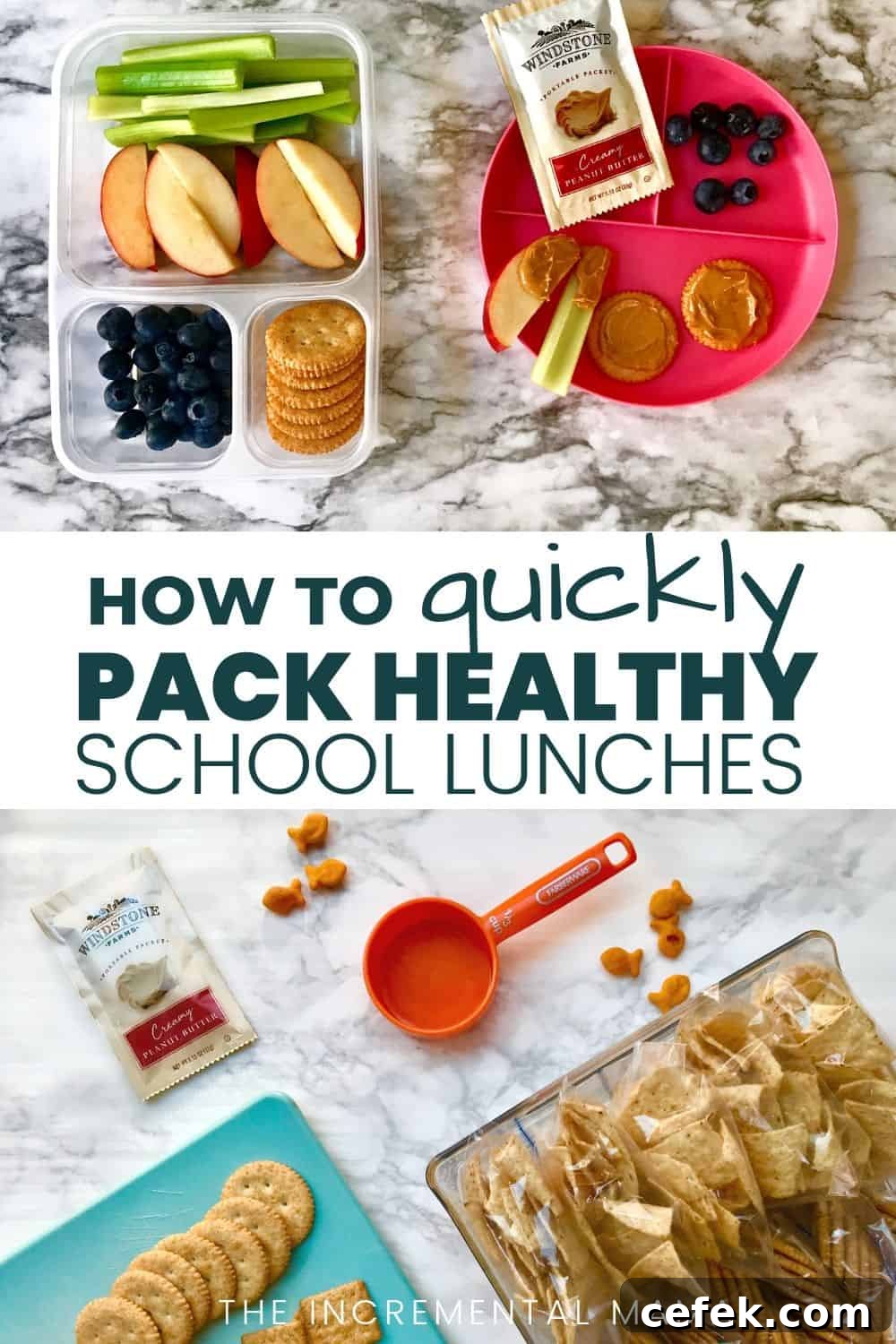
This post includes a sponsored product mention. Opinions are my own.
Mornings at our house move fast. Getting four kids dressed, fed, and out the door with backpacks and lunches ready is a daily challenge.
Between shoes, coats, and last-minute searches for homework, getting everyone to school on time often feels like a small miracle. Yet most days we manage — and a lot of that comes down to simplifying routines and planning ahead.
One area where a little forethought makes a huge difference is packing lunches. With some simple systems in place, you can pack healthy, satisfying lunches quickly and consistently.
Benefits of Packing Healthy School Lunches
It can be tempting to let kids buy lunch at school to save time. I’ve been there. But packing lunches at home has several clear advantages:
- It costs less than buying school meals every day.
- You control the quality and variety of foods, which helps ensure balanced nutrition.
- You can pack foods you know your child likes, reducing wasted food and hungry kids.
On the days my kids buy school lunch, they sometimes come home still hungry because the options didn’t appeal to them. Packing lunches at home avoids that problem and gives you more control over nutrition and portion sizes.
Preparation Is Key
The trick to assembling lunches in a few minutes is preparation. Stocking the pantry and fridge with ready-to-pack items and prepping ingredients in advance makes mornings much easier.
Tip: keep convenient, protein-rich items on hand, such as single-serve peanut butter packets — they make packing healthy lunches fast and portable.
How to Quickly Pack Healthy School Lunches
1. Stock Your Pantry with Healthy, Easy-to-Pack Foods
A well-stocked pantry means you can assemble lunches even on the busiest days. Non-perishables like nut butter packets, applesauce squeezes, dried fruit, and whole-grain crackers stay fresh longer and are easy to portion.
Having a mix of pantry staples and fresh items reduces last-minute grocery trips and keeps options varied so lunches don’t feel repetitive.
Healthy Pantry Items to Keep On Hand
- Apple chips
- Dried fruits (raisins, apricots)
- Fruit squeezes (no added sugar)
- Fruit cups packed in juice
- Single-serve peanut butter packets
- Whole-wheat pretzels
- Whole-grain crackers, chips, tortillas, and bread
A convenient single-serve peanut butter packet is especially useful — it’s tasty, portable, and adds protein to meals and snacks, which helps kids feel full longer.
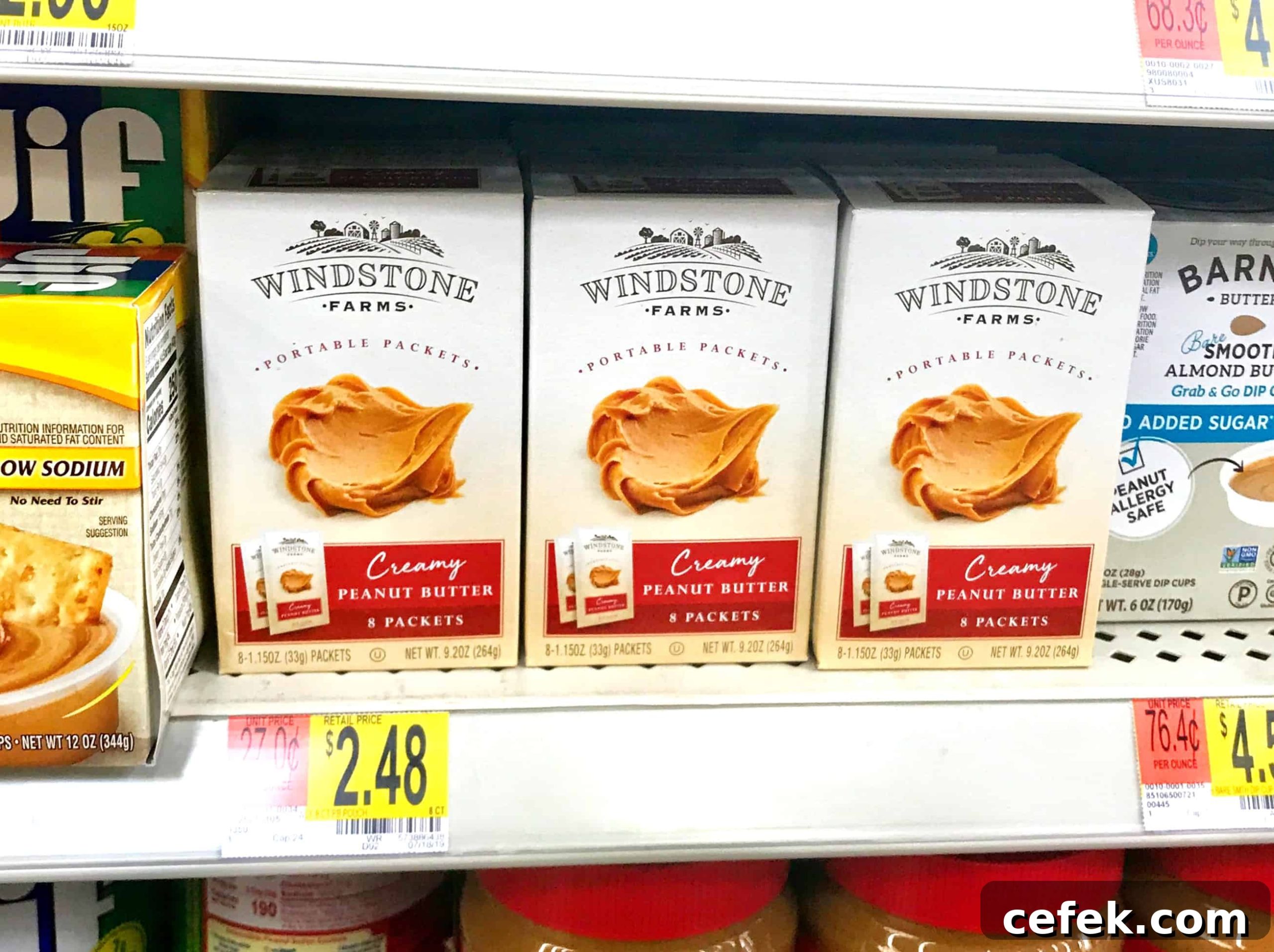
If you use grocery pickup services, adding these small items to your regular order saves time and ensures you always have them when you need them.
2. Stock the Fridge with Long-Lasting Produce and Proteins
Fresh fruit and vegetables are important, but pick varieties that hold up well in the fridge so they last longer between shopping trips. Apples, oranges, carrots, and celery are great options.
Fruits:
- Apples (slice when packing)
- Grapes
- Oranges (sectioned or sliced)
- Bananas
- Berries
- Pears, plums, peaches, kiwis
Vegetables:
- Celery
- Carrots
- Bell peppers
- Cucumber
- Jicama
- Broccoli
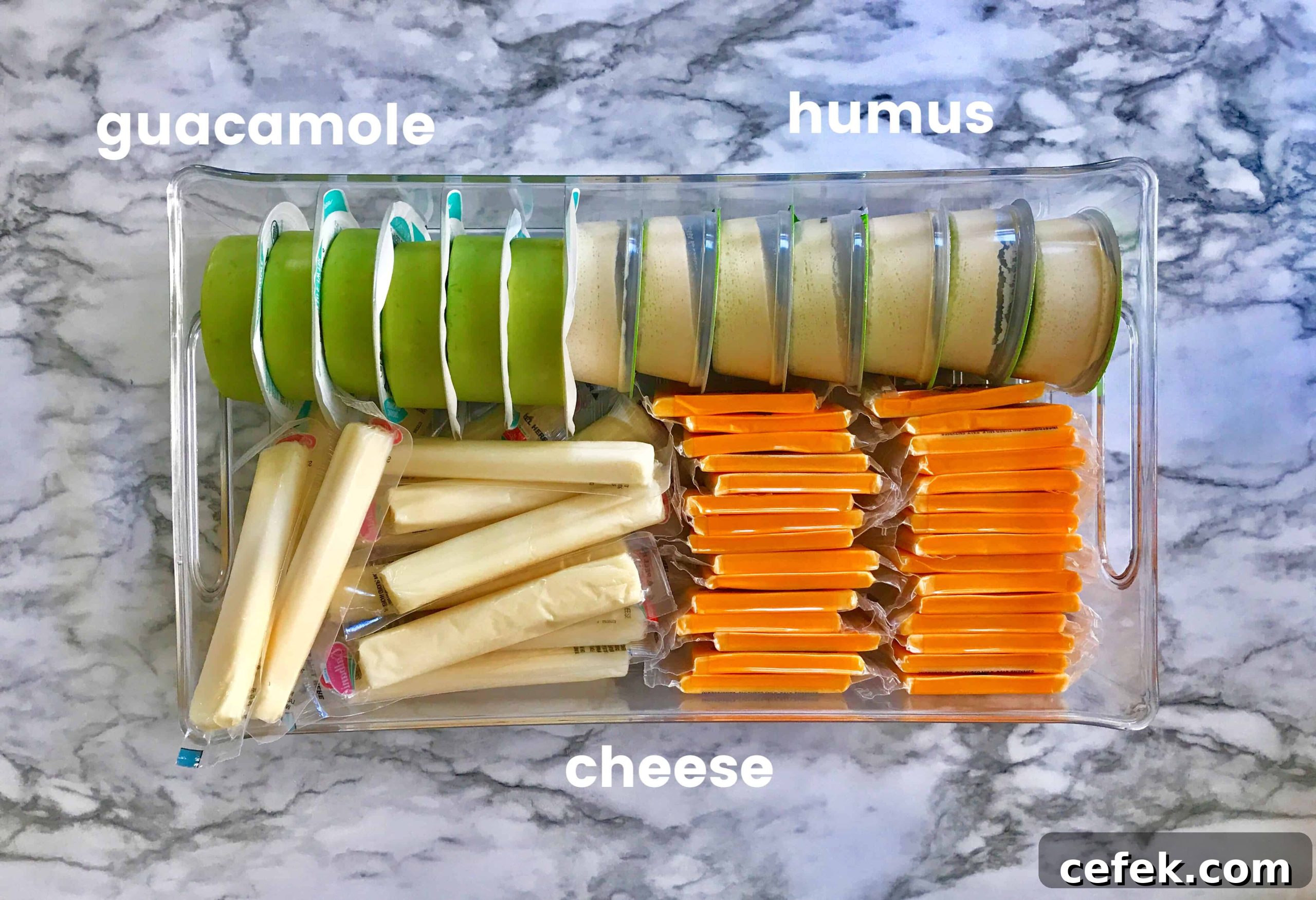
Small containers of hummus, guacamole, or a yogurt-based dip make raw vegetables more appealing to kids.
Dairy, Healthy Fats, and Proteins:
- Cheese sticks
- Guacamole packs
- Hummus packs
- Lean lunch meats (minimize processed varieties)
3. Use the Right Food Storage Supplies
Reusable containers, small plastic bags, and divided lunch boxes all help with portion control and convenience. While I’m moving toward fully reusable solutions, small snack-sized baggies are still handy for portioning crackers, grapes, or pretzels.
4. Prepare, Pre-Portion, and Organize into Bins
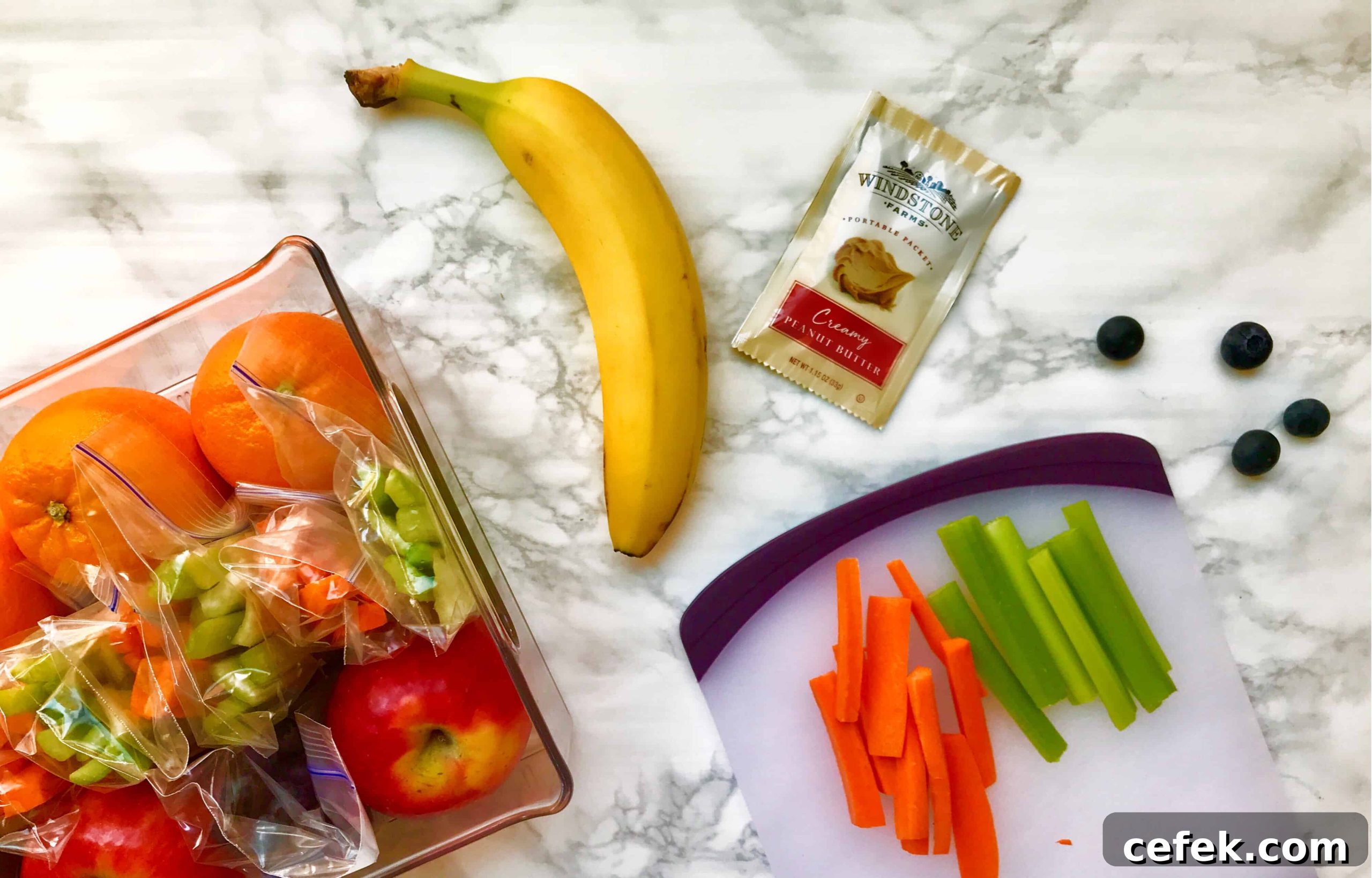
The most time-saving step is prep. When you get home from the store, wash produce, chop sturdy vegetables, and portion snacks into single-serve bags or containers. Then organize these portions into labeled bins so everything is grab-and-go.
My routine: wash and prep produce, chop carrots and celery, portion crackers and chips, and place everything into fridge or pantry bins right away. That way, lunches can be assembled in seconds.
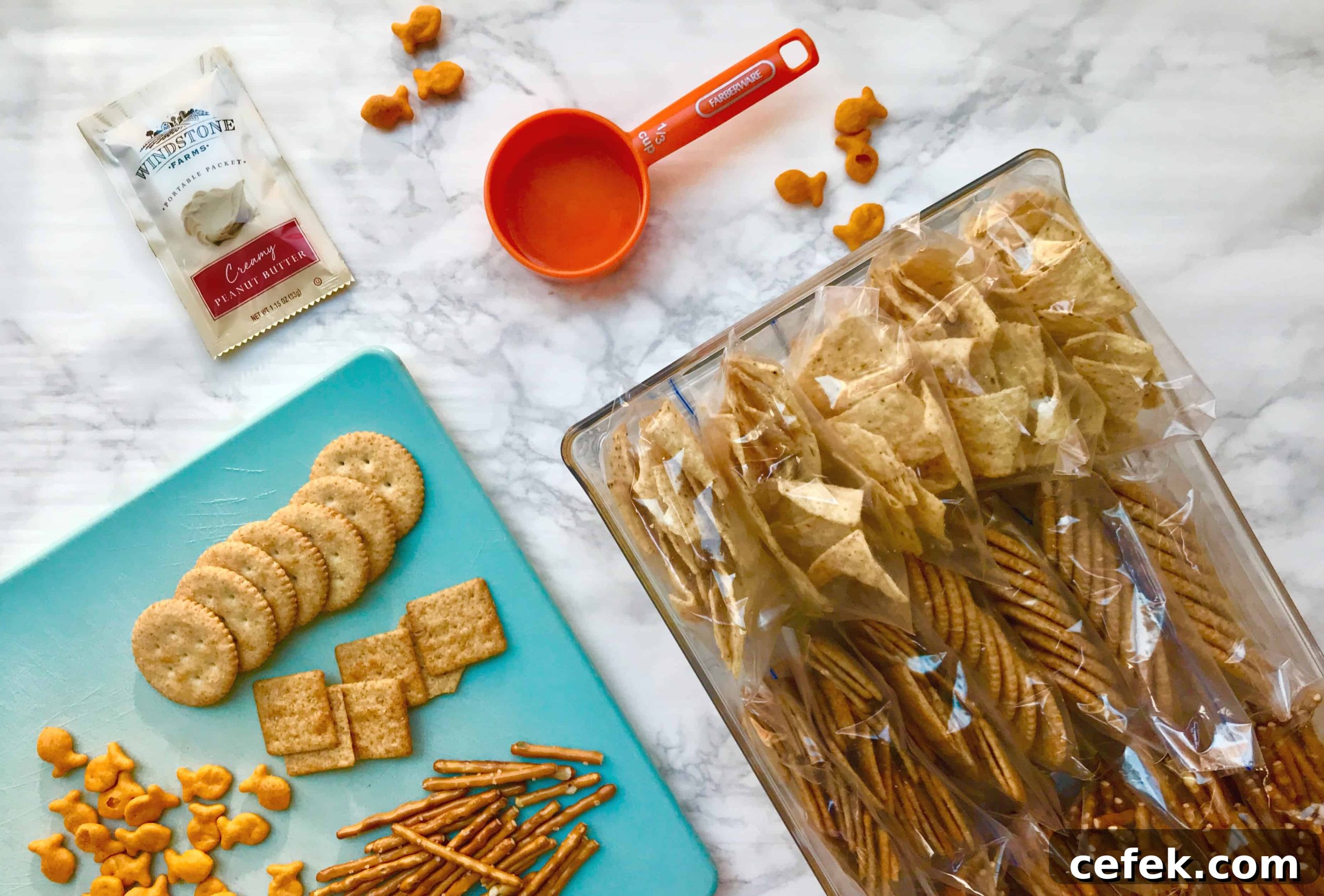
I keep two bins in the fridge — one for ready-to-eat fruits and vegetables and another for protein and dairy items — and several pantry bins for grains and treats. When it’s time to pack, kids or caregivers simply pull one item from each bin category.
5. Involve Your Kids
Getting kids involved in shopping, prepping, and packing lunches builds responsibility and improves the chances they’ll actually eat what you give them. When children help choose and prepare their food, they are more likely to try new items and enjoy their meals.
Ways to include kids: let them pick fruits and veggies at the store, help wash and portion items, and choose from the healthy options you’ve prepared. This involvement promotes independence and healthier eating habits.
6. Schedule When You’ll Pack
If mornings are hectic, make packing lunches part of your routine by scheduling it. Pack the night before, or set aside a consistent time in the morning so it becomes a habit. Even 10–15 minutes of planning or packing the night before can prevent chaos the next day.
In our house we often decide lunch choices after dinner so we can grab items quickly in the morning. If mornings are unpredictable, pack fully the night before and keep lunches refrigerated until the morning.
7. Pack the Lunches
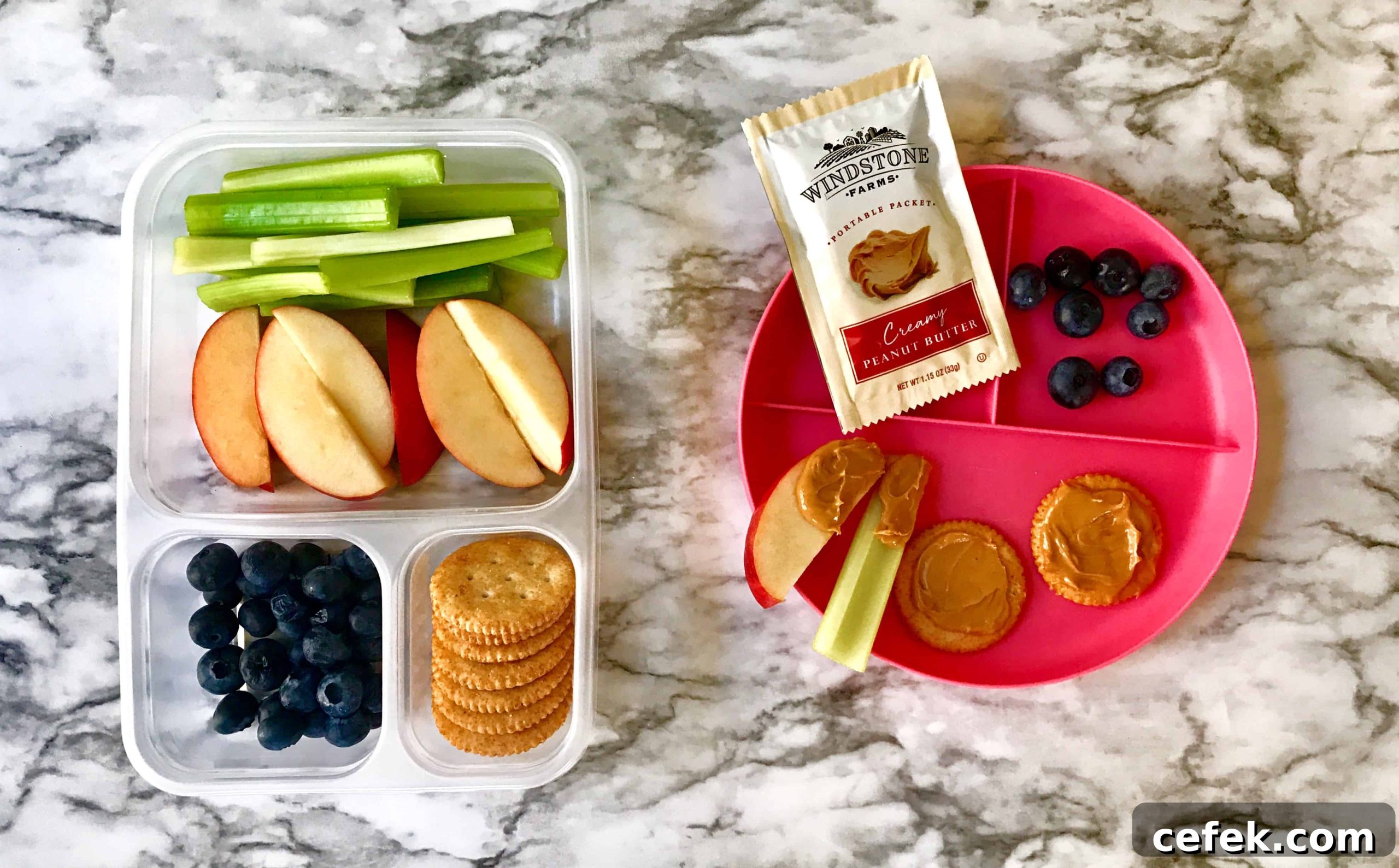
With prepped and organized bins, packing lunches is simple. Let kids choose from each category: one grain, two or three fruits or vegetables, and a protein or dairy item. This structure keeps lunches balanced without overcomplicating choices.
Some Healthy Lunch Ideas
Mix and match from your stocked items to create easy combos. A few ideas to get started:
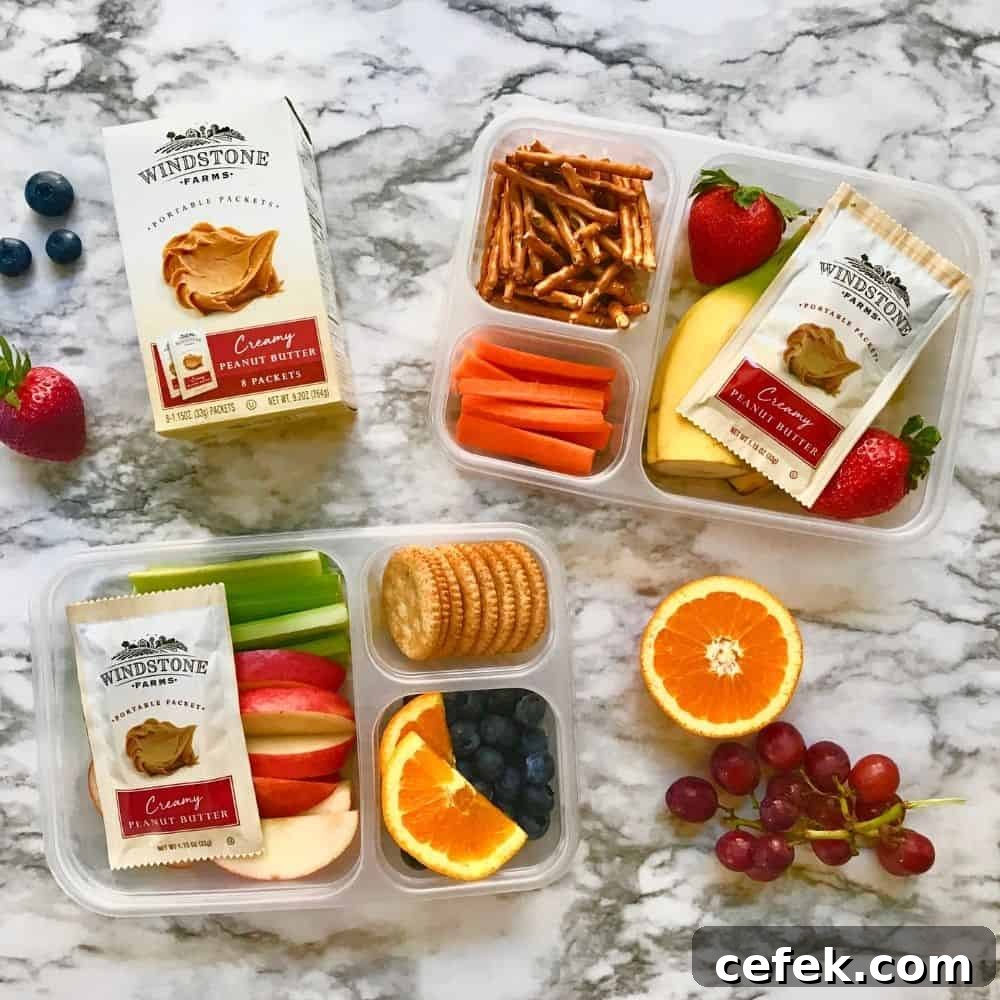
- Apple slices, celery, raisins, whole-grain crackers, and a single-serve peanut butter packet
- Grapes, lean lunch meat, whole-wheat crackers, and cheese slices
- Carrot sticks, celery sticks, whole-wheat pretzel sticks, hummus, and dried apricots
- Orange slices, cucumber, and a small wrap with lunch meat and cheese
- Pears, jicama sticks, corn chips, guacamole, and a cheddar cheese stick
- Strawberries, celery, whole-grain bread, and a peanut butter packet
- Broccoli, carrot sticks, ranch dip, and a whole-grain wrap
One fun trick: host a “lunch-for-dinner” night. Lay out a variety of healthy options and let kids try small tastes. They’re more likely to accept new foods when they can explore them in a relaxed setting.
Packing Healthy School Lunches Can Be Easy
With planning, prep, and simple organization, packing healthy school lunches becomes quick and stress-free. Stock your pantry and fridge with versatile items, pre-portion snacks, involve your kids, and make packing part of your daily routine. These steps will save time, reduce waste, and help your children develop better eating habits.
Images in this post show practical, real-life examples of what prepared bins and packed lunches can look like to inspire your own setup.