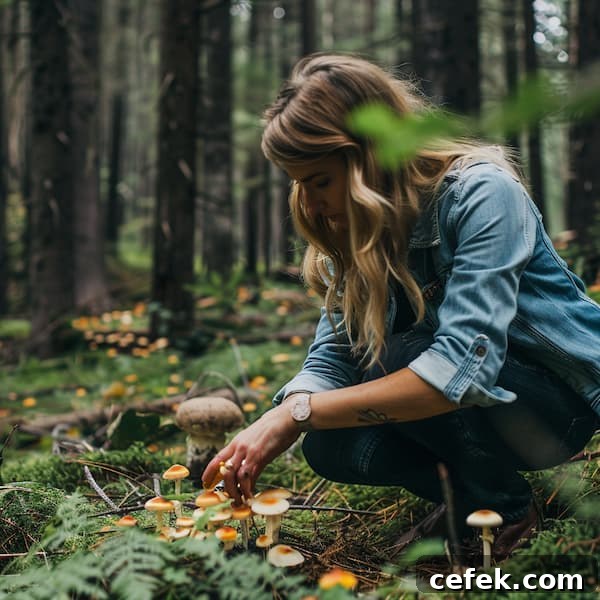
Foraging for mushrooms is an engaging and rewarding outdoor hobby. With proper preparation, careful identification, and respect for the environment, you can enjoy finding edible mushrooms in the wild. This beginner’s guide covers essential tips for safe, successful mushroom foraging.
How to Forage for Mushrooms
Start by learning which mushrooms grow in your region. A reliable field guide with clear descriptions and photos of local species is invaluable when you’re in the field. Online resources and apps can supplement your knowledge, but a physical guide is useful where there is no reception.
Begin with a few easy-to-identify edible mushrooms, such as chanterelles or morels. These species have distinctive features and are less likely to be mistaken for dangerous look-alikes. Always cross-check your identification with multiple trusted sources before consuming any wild mushroom.
Gather basic tools to make your outings more efficient and to protect fungal populations:
- A basket or mesh bag to carry mushrooms and allow airflow
- A small knife to cut mushrooms at the base and preserve the mycelium
- A soft brush or cloth for gently removing dirt in the field
Plan trips for times when conditions favor mushroom growth. Cool, damp environments and a few days after significant rainfall are ideal. Early morning is often the best time to forage because moisture makes mushrooms easier to spot and they tend to be fresher.
Where to Forage for Mushrooms?
Location matters. Mushrooms grow in woods, meadows, and sometimes urban green spaces. Mixed hardwood forests are especially productive for a variety of species. Look near tree bases, on decaying logs, and in leaf litter—many mushrooms form relationships with specific trees.
For example, chanterelles are commonly found near oaks and pines, while morels often appear near ash, elm, or old apple trees. Public lands such as national forests and wildlife management areas may permit foraging, but regulations differ by region. Always check local rules and obtain permission before foraging on private property.
When to Forage for Mushrooms?
Spring and fall are typically the best seasons for foraging. Morels are a prized spring find, usually appearing from late April to early June in many areas. In fall, species like chanterelles, boletes, and puffballs commonly emerge from late September through November. Chanterelles can also be found during cooler, rainy summer periods in some regions.
Moisture and temperature play key roles. Mushrooms often appear within 24 to 48 hours after substantial rain, and they favor cool, humid conditions. Foraging in the early morning increases your chances of finding fresh specimens before sun and wind dry the ground.
How to Forage Mushrooms Safely?
Safety is critical when foraging. Some species are toxic and can cause serious illness or worse. Follow these guidelines to reduce risk:
- Never eat a mushroom unless you are completely certain of its identity. If you have any doubt, do not consume it.
- Learn to recognize toxic species and common look-alikes. Some poisonous mushrooms closely mimic edible ones; careful attention to subtle differences in color, shape, scent, and habitat is essential.
- Confirm identifications using multiple reliable sources. Compare your finds with field guides, local expert input, and reputable resources before deciding to eat them.
- Join a local mycology club or attend guided forays. Learning from experienced foragers and mycologists accelerates your knowledge and improves safety.
- Avoid foraging near polluted sites. Do not collect mushrooms from roadsides, industrial areas, or fields treated with pesticides; fungi can absorb environmental contaminants.
- Know the symptoms of mushroom poisoning. Symptoms can include stomach pain, vomiting, dizziness, and more serious signs. Seek medical attention promptly if poisoning is suspected.
- Tell someone your foraging plans. Let a friend or family member know where you’ll be and when you expect to return for added safety in the outdoors.
Mushroom Foraging Tools and Gear
Bring a basket or mesh bag to keep mushrooms ventilated and prevent crushing. A small knife helps cut mushrooms cleanly at the base, protecting the mycelium for future growth. A soft brush or damp cloth removes dirt without damaging delicate flesh.
Wear sturdy, comfortable shoes and weather-appropriate clothing. Sun protection and insect repellent are useful in exposed areas. A reliable field guide with photos, plus a notebook and pen to record locations and notes, will help you track patterns and improve your skills over time.
How to Clean Foraged Mushrooms?
Proper cleaning preserves flavor and texture:
- Brush off dirt with a soft brush or wipe with a damp cloth. Avoid soaking most mushrooms, as they absorb water and can become soggy.
- Trim tough or dirty stem ends. This removes grit and improves eating quality.
- Check for insects and remove any you find. Inspect gills and crevices carefully and brush away pests.
- If washing is necessary, rinse quickly and dry immediately. Use a fast cold rinse and pat dry to avoid waterlogging.
- Clean mushrooms soon after harvesting. Fresh mushrooms are easier to clean and retain better flavor.
Following these steps ensures your foraged mushrooms are ready for cooking and safe to eat.
How to Store Foraged Mushrooms?
Store mushrooms properly to maintain freshness:
- Refrigerate fresh mushrooms in a paper bag or ventilated container to absorb excess moisture; they typically keep up to a week.
- Dry large quantities by thinly slicing and air-drying or using a dehydrator. Store dried mushrooms in airtight containers in a cool, dark place.
- Freeze mushrooms after sautéing to help preserve texture and flavor, then pack in airtight containers for long-term storage.
Can You Forage Mushrooms in State Parks?
Regulations vary by park and state. Some parks permit limited foraging, while others prohibit it. Always verify the rules for the specific park before you go. If foraging is allowed, take only what you need, avoid damaging the environment, and respect other visitors and park regulations.
Mushroom foraging can deepen your connection to the outdoors and reward you with fresh, wild ingredients when done responsibly. With knowledge, the right equipment, and a cautious approach, you can safely explore the fascinating world of wild mushrooms. Happy foraging!