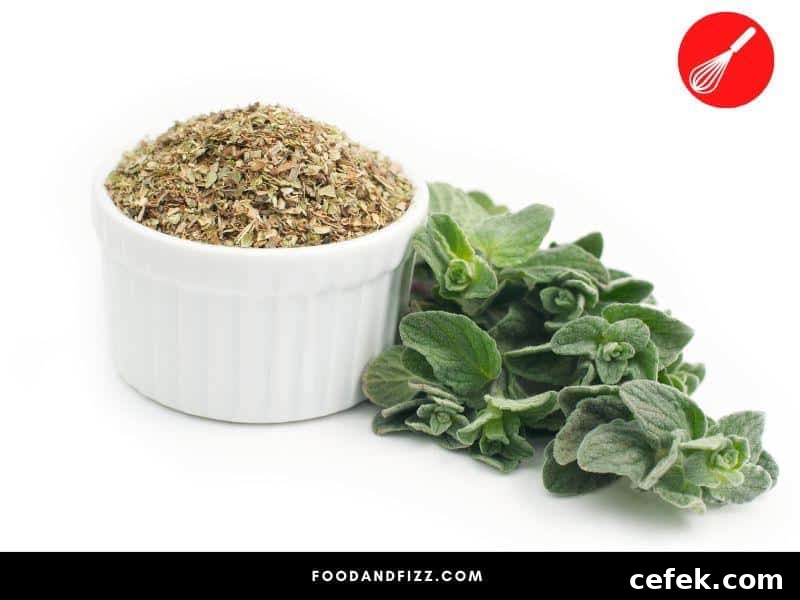
A little oregano can transform an ordinary meal into something memorable. Oregano belongs to the Lamiaceae family and is celebrated both for its culinary contribution and its health-promoting properties.
Rich in antioxidants and known to help reduce inflammation and soothe coughs, oregano’s aromatic, earthy flavor is used across cuisines worldwide.
Its robust, slightly peppery taste enhances dishes from hearty curries to classic pizzas.
Table of Contents
Toggle
Ground Oregano vs. Dried Oregano — What is the Difference and Benefits of Each?
Ground oregano is made by drying the herb and grinding it into a fine powder. Dried oregano usually refers to the leaves or flakes that have been air-dried and crumbled. Both forms are common in kitchens and stores.

Recipes may call for different forms of oregano depending on texture and intensity. Some cooks favor the concentrated punch of ground oregano, while others prefer the visual and textural presence of dried leaves.
Difference Between Ground and Dried Oregano
Dried oregano usually consists of whole or crushed leaves that have been air- or oven-dried and loosely crumbled. Ground oregano is dried leaves that have been processed further into a fine powder using a mortar, spice grinder, or herb mill.
Grinding releases essential oils and intensifies the flavor, so ground oregano tends to taste stronger and more concentrated than coarsely dried leaves.
Both forms share the same basic oregano profile, but ground oregano is more potent, while dried leaves provide a milder taste and a more rustic appearance in dishes.
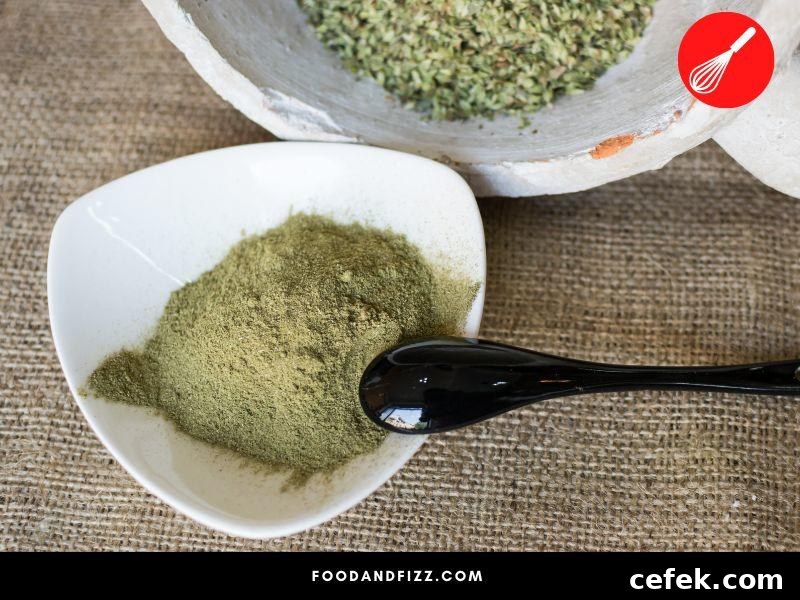
Benefits of Ground Oregano
Ground oregano is easy to make at home by grinding dried leaves, and it’s readily available in stores. Because it packs more concentrated flavor, a small amount can dramatically enhance sauces, dressings, and marinades.
It’s commonly used in Italian and Mediterranean dishes—pizzas, pasta, roasted meats, fish, and vinaigrettes—but its use is not limited to one cuisine. Many cooks include ground oregano in dry rubs for meat or chicken and in sauces for its warm, slightly minty, peppery notes.
Choose ground oregano when you want an even distribution of flavor without visible herb pieces in the finished dish.

Benefits of Dried Oregano
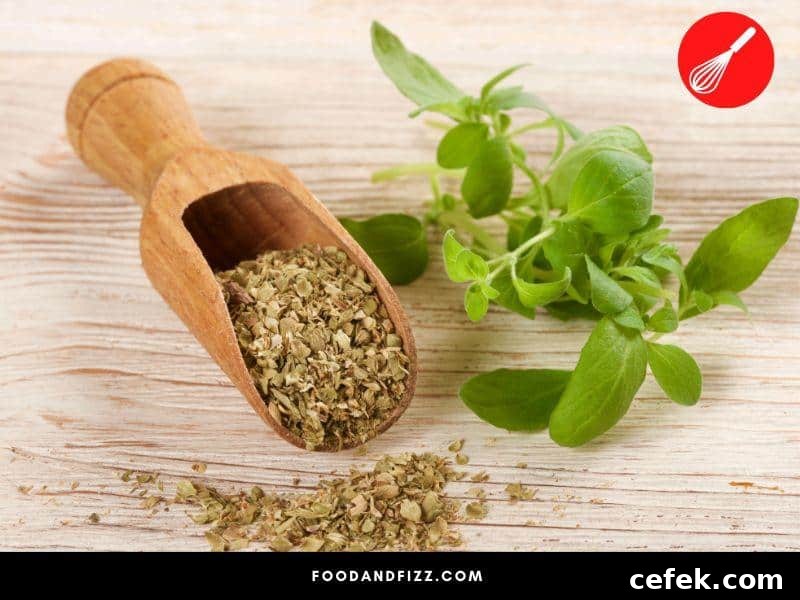
Dried oregano is the preserved form of fresh leaves and offers a pronounced flavor compared with fresh oregano, though typically less concentrated than finely ground powder. It’s easy to make at home using a dehydrator or a low-temperature oven and stores well for months when kept dry.
Dried oregano works well as both a flavoring and a garnish. It’s a classic addition to pizzas, pasta, grilled vegetables, poultry, seafood, sauces, and pesto. Visible flakes can add both aroma and an appealing, rustic look to a finished dish.
Choose dried oregano when you don’t mind—or prefer—the texture and appearance of herb leaves in your meal.

How to Store Oregano?
Store dried or ground oregano in an airtight container away from heat, light, and moisture. This prevents clumping, flavor loss, and insect contamination. A cool, dark cupboard or pantry is ideal to preserve aroma and potency.
Health Benefits of Oregano
Oregano, whether fresh, dried, or ground, contains compounds with antibacterial and antioxidant properties. It provides nutrients like fiber and vitamins such as K and E, which support overall health. Antioxidants in oregano help reduce inflammation and protect cells from oxidative damage.
Conclusion to Ground Oregano vs Dried Oregano
Both ground and dried oregano bring the herb’s signature flavor to dishes. Ground oregano offers a more concentrated, even flavor; dried oregano provides texture and visual appeal. Use the form that best suits your recipe and presentation.
Frequently Asked Questions to Ground Oregano vs Dried Oregano
What Is a Substitute For Ground Oregano?
Basil is the closest common substitute for oregano’s flavor, especially in Mediterranean dishes. Fresh or ground basil can replace oregano when needed, though the taste will differ slightly.
Can Oregano Leaves Be Used Instead of Dried Oregano?
Yes. Fresh oregano leaves can substitute dried oregano, but because dried herbs are more concentrated, you’ll need about three times the fresh amount. As a rule of thumb, 1 teaspoon dried equals 1 tablespoon fresh.
How is Mexican Oregano Different From the Usual Oregano?
Traditional Mediterranean oregano tends to have a minty undertone. Mexican oregano, which is botanically different, often displays more citrusy and licorice-like notes and pairs well with bold, spicy dishes.