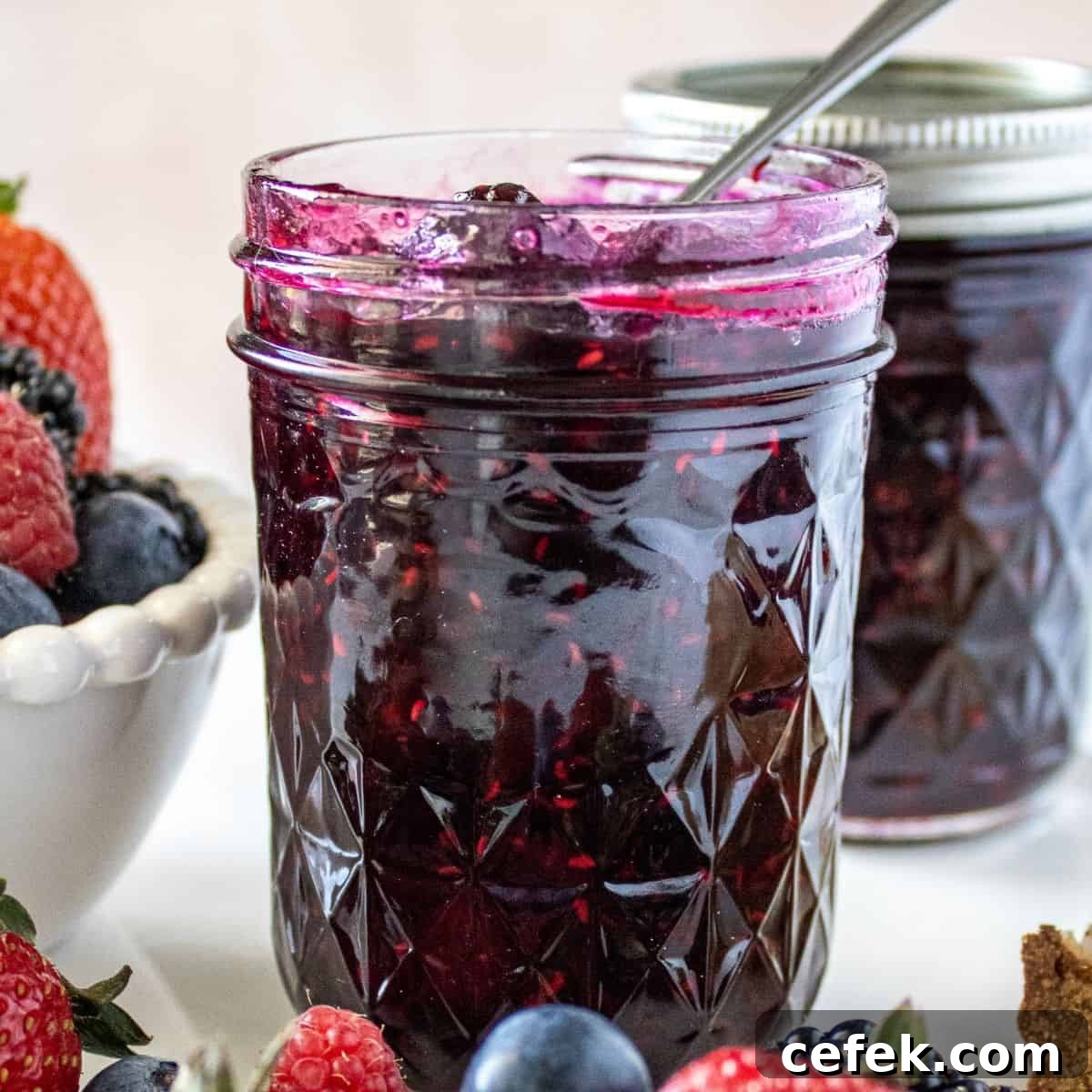
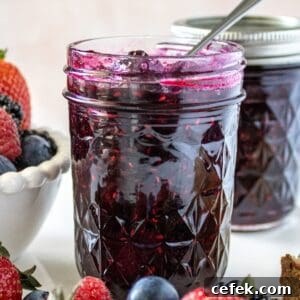
I’m sure you’ll enjoy this simple recipe for Mixed Berry Jam. It combines four berries—raspberries, blackberries, strawberries and blueberries—so the jam captures a bright, layered flavour. No added pectin is needed to reach a lovely soft set. Making jam at home is easier than it seems and is a wonderful way to preserve summer berries to be enjoyed over the coming months.
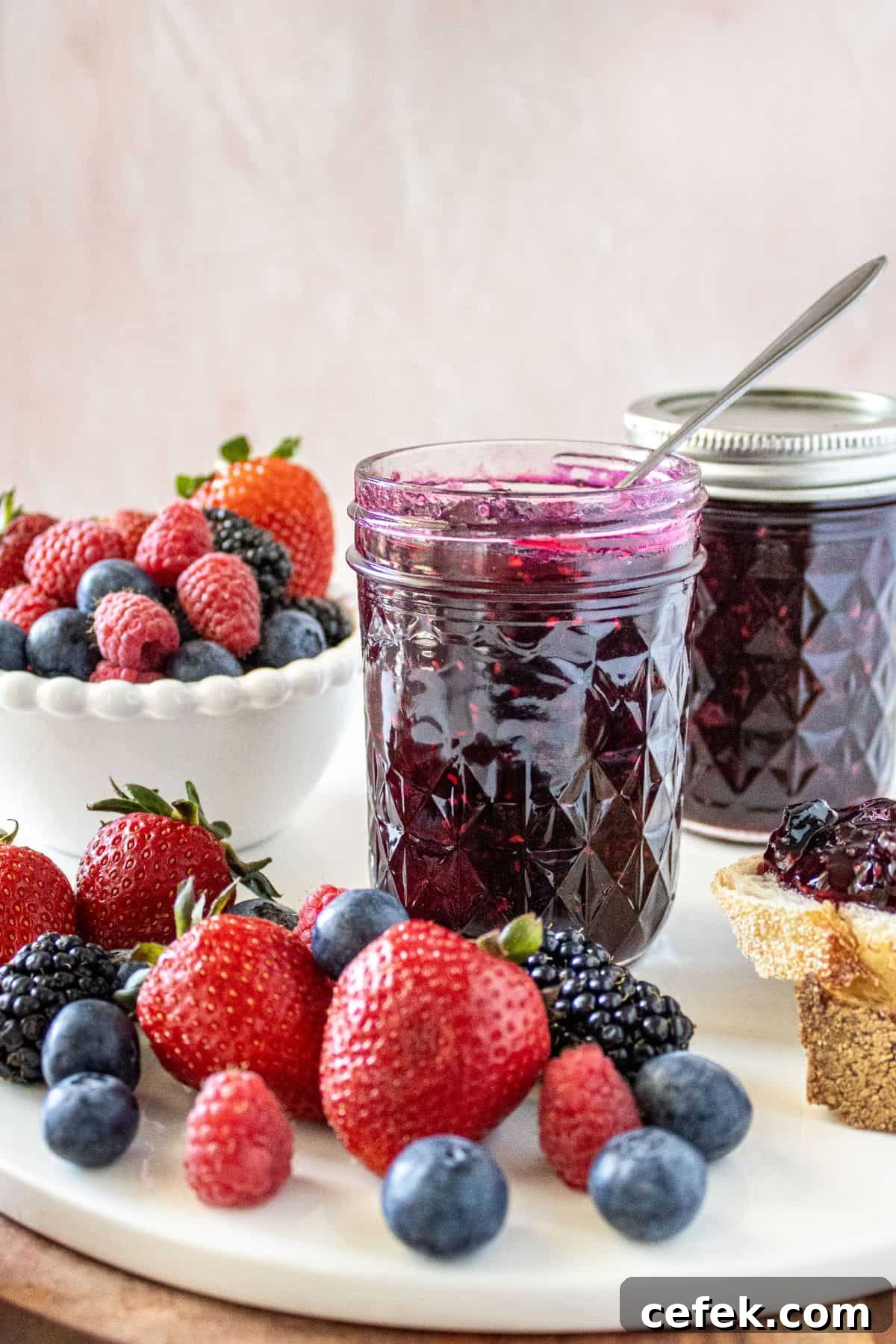
Why You’ll Love This Recipe:
- Jam-making is straightforward—this post guides you through the process with clear steps so you can feel confident in the kitchen.
- Homemade jam delivers fresh, clean flavours without additives or preservatives found in many commercial jars. You control the quality of every ingredient.
- This jam is versatile—use it on toast, swirls of yoghurt, scones or baking. A little goes a long way.
- It’s a great way to preserve seasonal berries so you can enjoy their flavour long after the harvest.
- With just a few ingredients, the natural character of the berries shines through.
Recipe Inspiration: My family has made jam for generations. Once I realised how easy and satisfying it is to make my own preserves, the tradition became something I love to continue and share.
Ingredients and Substitutions:
Please refer to the recipe card later in the post for exact ingredient quantities and the full method.
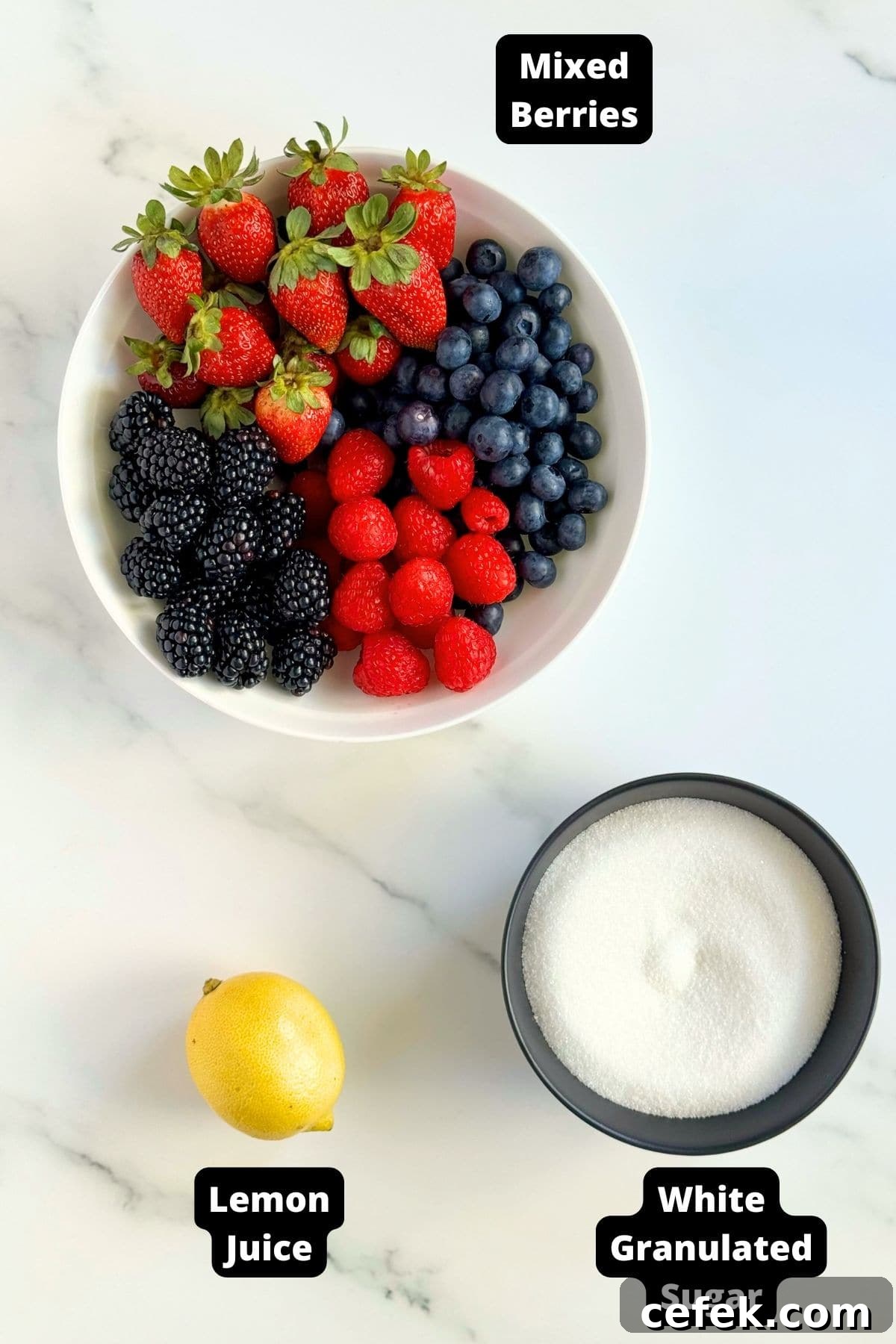
- Raspberries – choose ripe, firm berries. Avoid bruised or overly soft fruit. Slightly under-ripe berries can help the jam set because they contain more pectin.
- Blackberries – look for glossy, plump berries. A little red in some berries is fine; it just means they are slightly unripe.
- Blueberries – pick firm berries with a bluish bloom; this natural coating indicates freshness.
- Strawberries – select fragrant, fully red strawberries for the best flavour. Avoid those with white cores beneath the stem.
- Lemon juice – freshly squeezed lemon juice adds acidity and some natural pectin, both of which help the jam set and balance sweetness.
- Granulated sugar – sugar sweetens the fruit and works with the acid and pectin to create a stable set while aiding preservation.
Variations:
Berries – you can change the mix of berries to suit taste or availability. If you alter varieties, keep the total weight of fruit the same to preserve the balance of the recipe.
How To Make Mixed Berry Jam:
See the recipe card below for exact quantities and full step-by-step instructions.
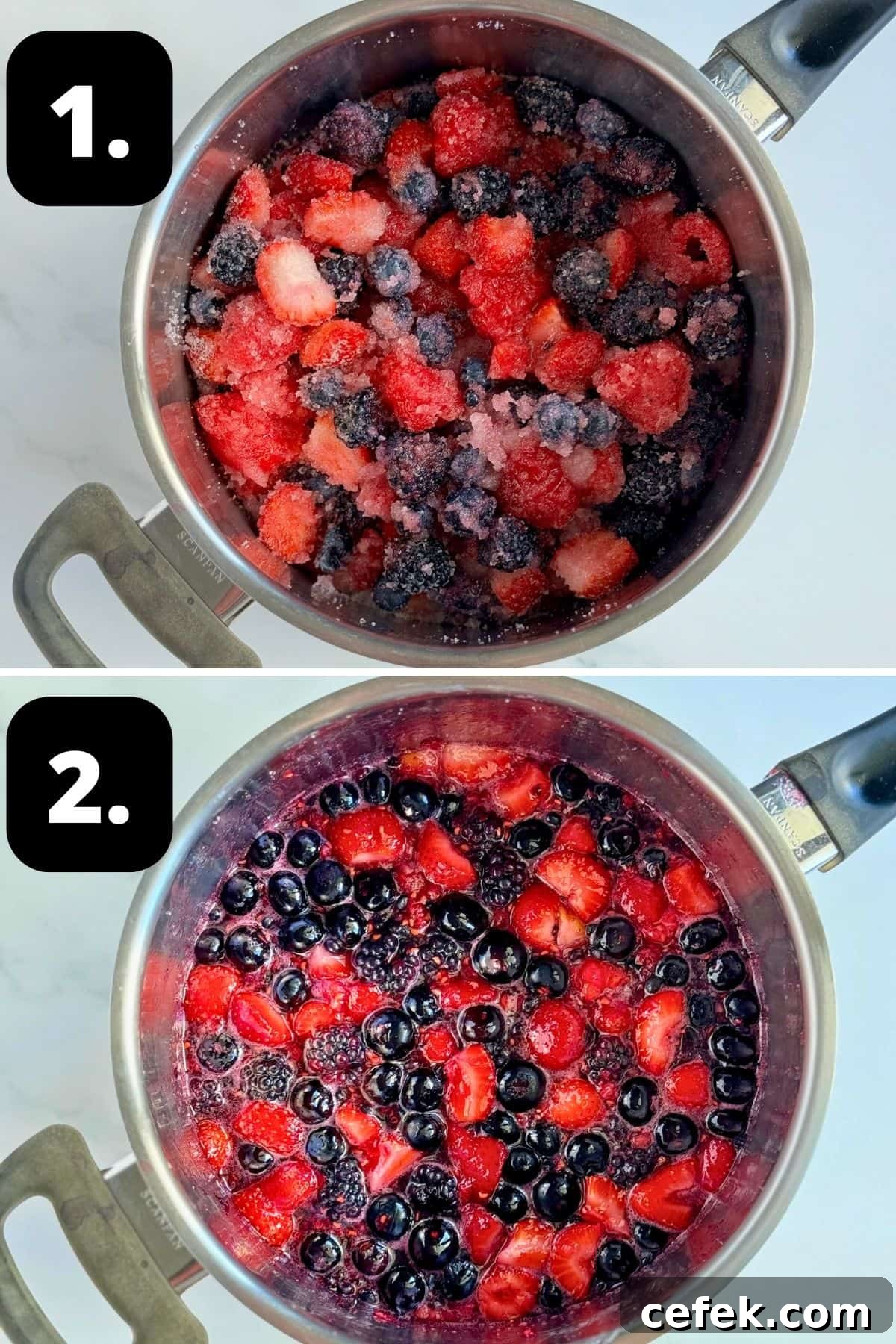
1 – Combine ingredients in a saucepan:
Put the berries, lemon juice and sugar into a large saucepan. Warm gently over low heat, stirring until the sugar dissolves.
2 – Cook the jam:
Once the sugar has dissolved, increase the heat and bring the mixture to a rolling boil. Stir frequently to prevent sticking.
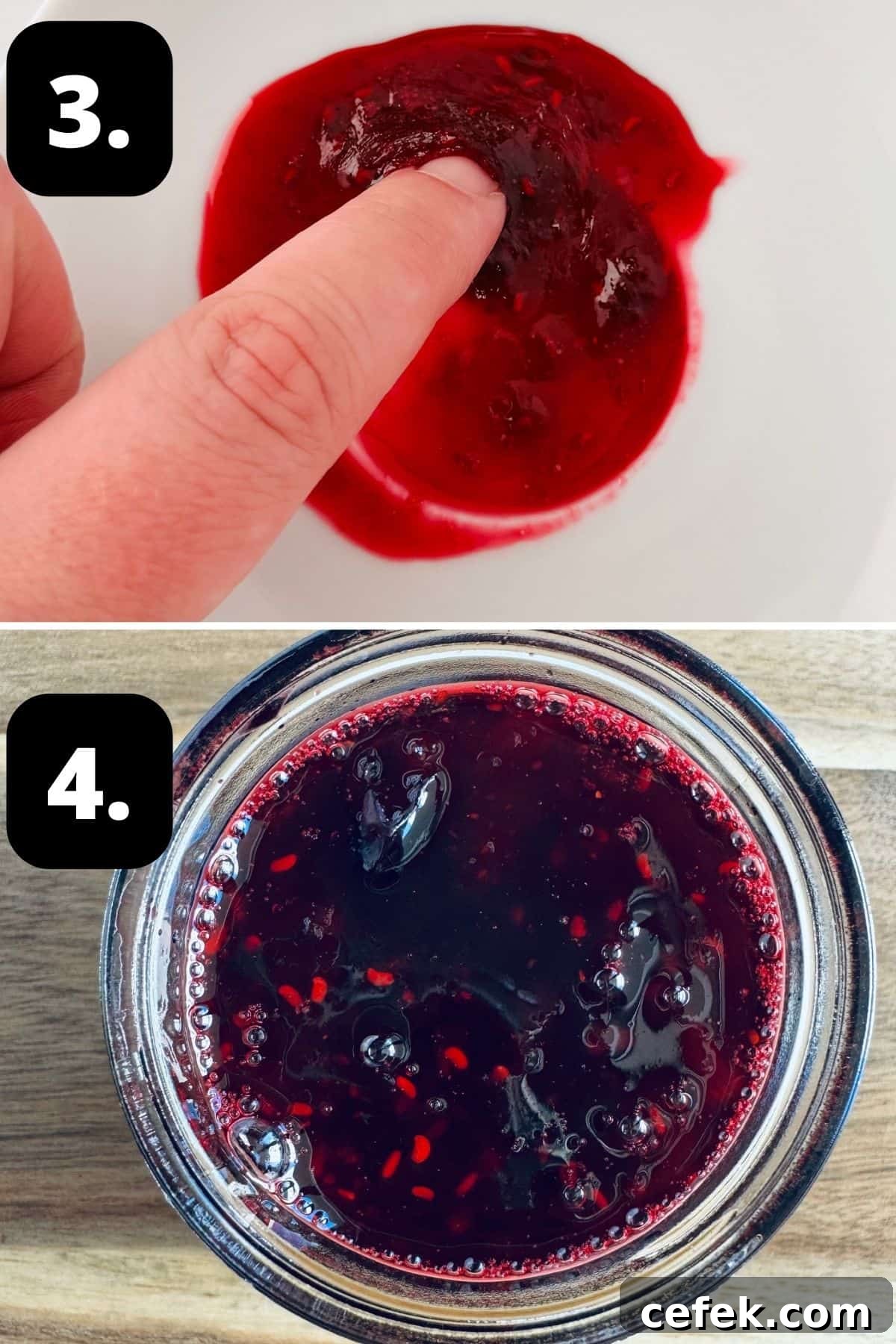
3 – Test for setting point:
Turn off the heat and spoon a little jam onto a chilled saucer. Let it cool for 30 seconds, then run your finger through it—if the surface wrinkles slightly, the jam has reached setting point. If not, return to the heat and boil a little longer before retesting.
4 – Jar the jam:
Allow the jam to sit for a few minutes so the fruit distributes evenly, then skim off any scum. Carefully ladle hot jam into warm, sterilised jars and seal immediately. When cool, wipe any spills and store jars in a cool, dark place.
Tip: Always sterilise jars before filling to reduce the risk of spoilage. Instructions for sterilising are provided in the recipe card.
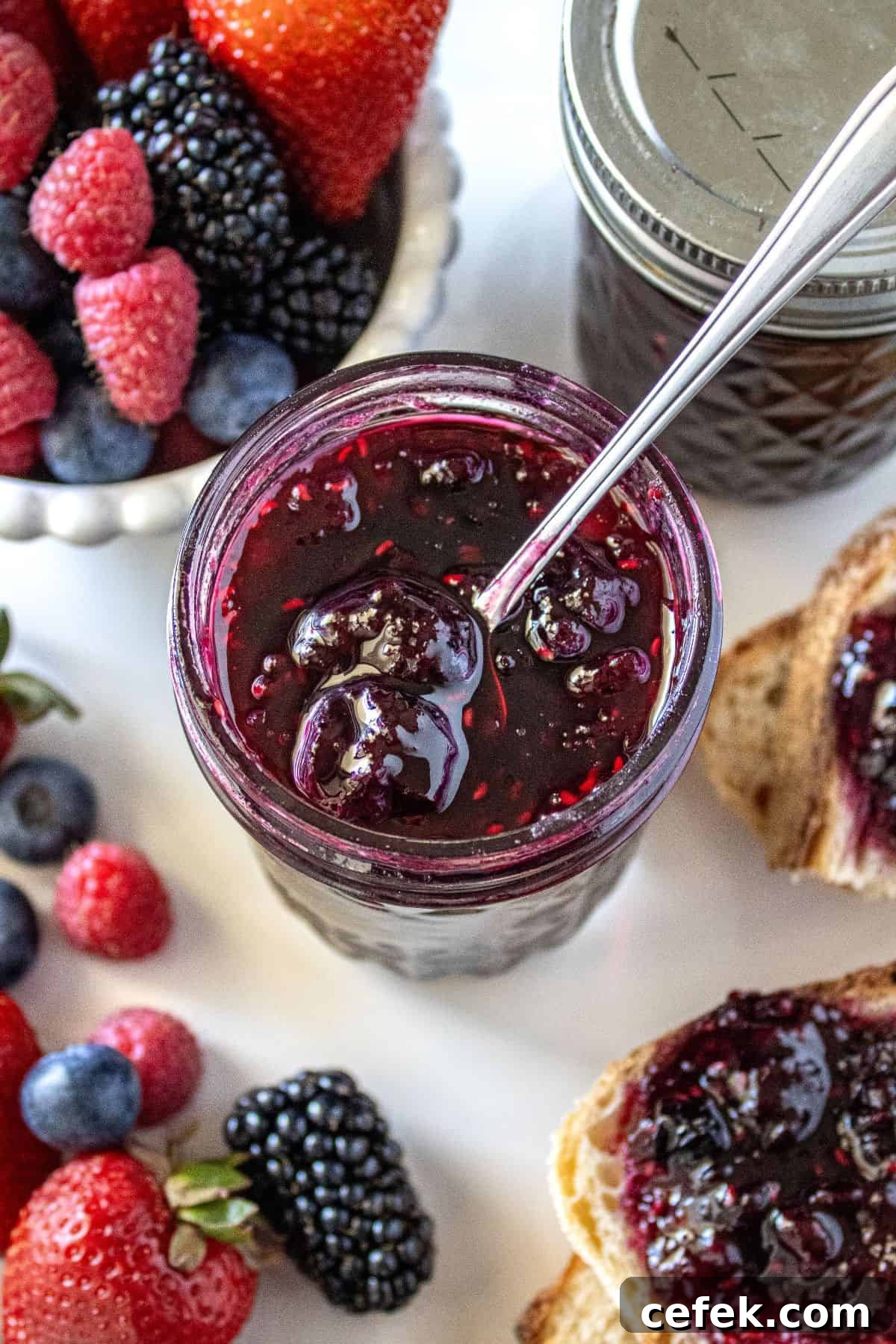
Tips for Success, Storage and FAQs:
If jars are thoroughly sterilised, the recipe is followed without reducing sugar, and the jam is cooked to the proper setting point, the sealed jars will be shelf-stable for up to a year. Once opened, keep the jar refrigerated and always use a clean spoon.
Pectin is a natural gelling agent found in fruit. When combined with acid (lemon juice) and sugar and heated, it forms the gel that gives jam its set. Berries are relatively low in pectin, so the recipe relies on the fruit and added acid to help the jam set.
Sugar contributes to sweetness, helps the jam set and acts as a preservative. Reducing the sugar can affect setting and shelf stability, so it’s not recommended unless you follow a tested reduced-sugar recipe.
Lemon juice adds acidity and contributes pectin that helps the jam set, while balancing the sweetness.
Yes—good-quality fruit that was frozen fresh can be used straight from frozen. Cooking times are similar; test for setting point as directed.
Top Tip:
Choose the best-quality, freshly picked berries you can find. Avoid over-ripe or bruised fruit, but don’t discard a few slightly unripe berries—they help with setting thanks to higher pectin levels.
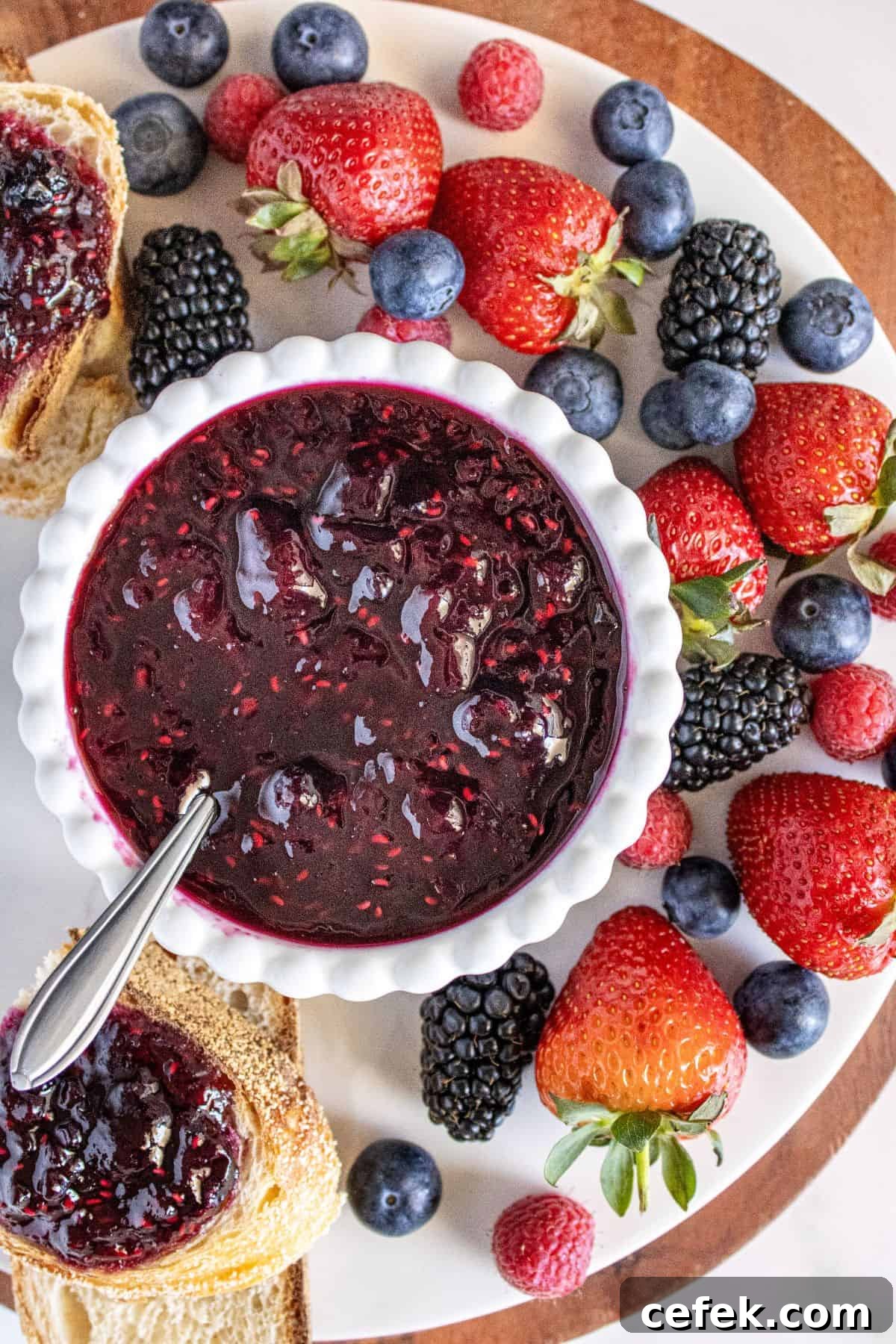
Serving Suggestions:
This vibrant jam can be enjoyed in many ways. A few ideas:
- Spooned on warm scones—one of my favourite pairings.
- Swirled into plain Greek yoghurt for breakfast or dessert.
- Spread on toast or fresh bread for a classic breakfast.
- Used as a filling for jam bars, tarts or pastries.
- Stirred into porridge for extra flavour.
- Served with waffles or pancakes.
- Popped into pretty jars and decorated with a ribbon for a homemade gift.
I hope you love this jam. If this is your first time making preserves, once you’ve mastered the technique you’ll be able to make fresh jam for years to come. A little time invested now will reward you with jars of delicious fruit to enjoy later.
Alex xx
More Delicious Recipes For You To Try:
-
Blueberry Jam
-
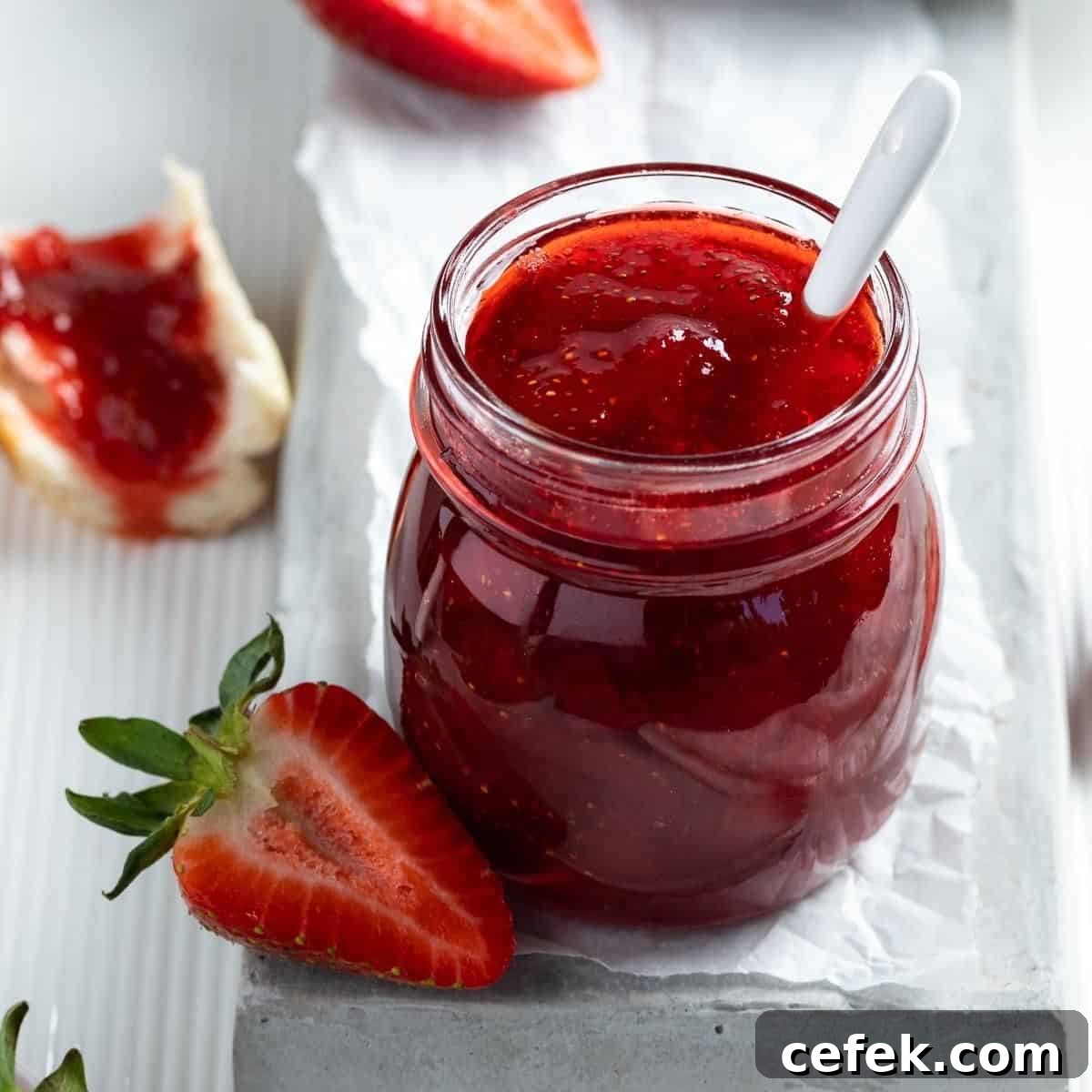
Strawberry Jam
-
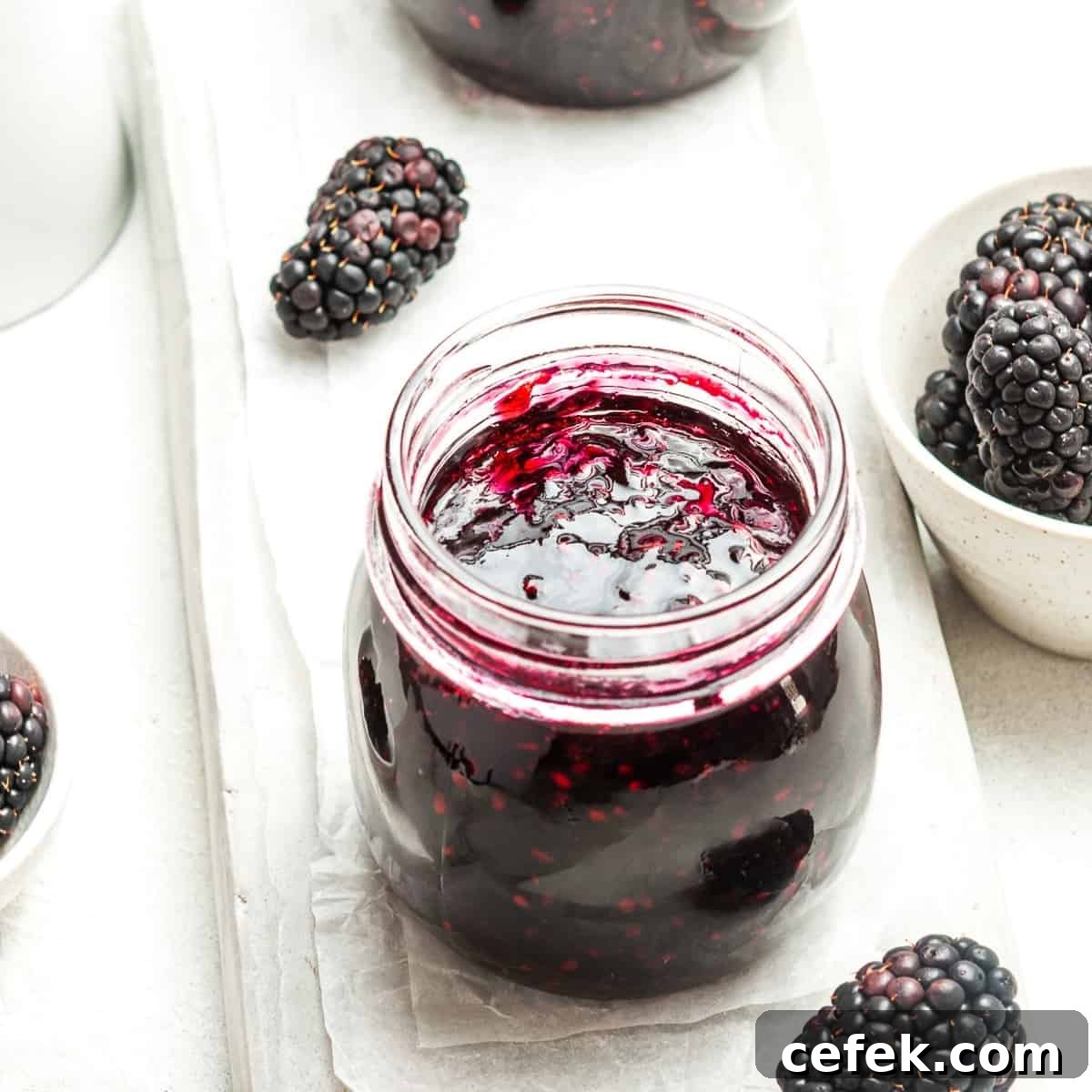
Blackberry Jam
-
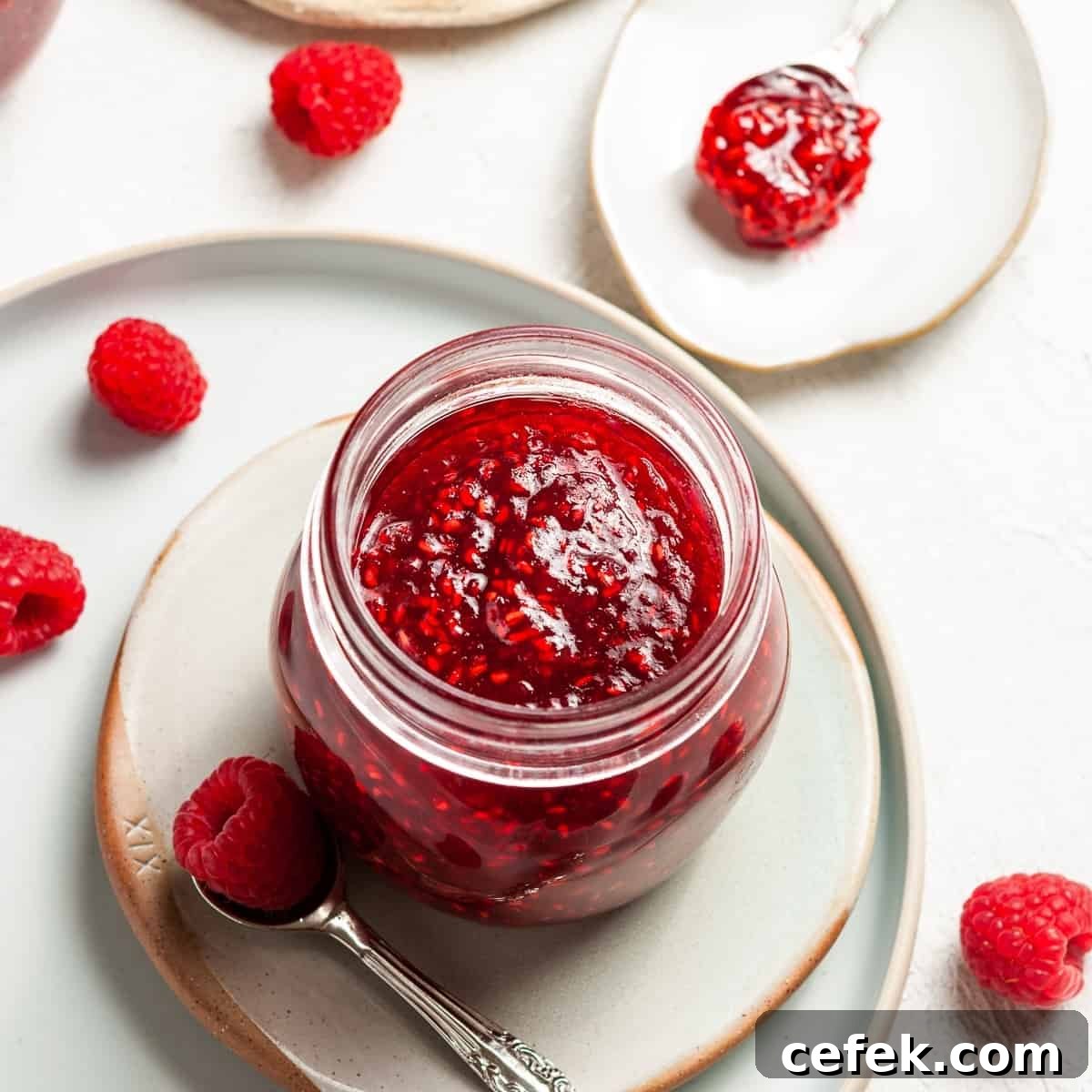
Raspberry Jam
Stay in touch!
Follow along on social channels or subscribe to the newsletter to receive new recipes and updates.
Mixed Berry Jam
Print
Pin
Please note:
For best accuracy use weights when provided. All oven temperatures are for fan-forced ovens.
Ingredients
- 255 g (9 oz) fresh blackberries
- 255 g (9 oz) fresh blueberries
- 255 g (9 oz) fresh strawberries
- 255 g (9 oz) fresh raspberries
- 700 g (3 cups + 5 tsp) white granulated sugar
- 60 ml (¼ cup) lemon juice – freshly squeezed
Instructions
Sterilising the Jars:
-
Sterilise the jars you will use for storing the jam. Wash jars and lids in hot soapy water and rinse well. If lids have rubber inserts, allow them to air dry rather than putting them in the oven. Preheat the oven to 130°C (270°F) and place the jars in the oven for 15–20 minutes. Keep jars warm until ready to fill.
For the Mixed Berry Jam:
-
Place two small saucers or plates in the freezer for testing the setting point.
-
Wash and dry the berries. Halve the blackberries, hull and quarter the strawberries; leave raspberries and blueberries whole. Combine all the fruit with the sugar and lemon juice in a large saucepan and stir well.
-
Warm the pan over low heat and stir until the sugar has dissolved (about 5–8 minutes). Scrape any sugar from the sides back into the mixture.
-
Increase the heat and bring the mixture to a rolling boil. Boil for about 15 minutes, stirring frequently, then begin testing for setting point. Total boiling time is typically 15–20 minutes but will vary with pan size and heat.
-
To test, turn off the heat and spoon a little jam onto a chilled saucer. After 30 seconds, run your finger through it—if it wrinkles slightly, it’s ready. If not, boil 1–2 minutes more and retest. Alternatively, use a thermometer: setting point is about 105°C (220°F).
-
Skim any scum from the surface, then let the jam rest for 5 minutes to allow fruit to distribute evenly.
-
Ladle hot jam into warm sterilised jars, seal immediately and allow to cool. Wipe jars clean and store sealed jars in a cool, dark place.
Notes
- Berries: Use fresh, high-quality fruit and avoid bruised or over-ripe berries. Equal quantities of different berries work well, but the recipe tolerates variations. Frozen fruit that was frozen fresh may be used; cook from frozen and test for setting point.
- Sugar: Do not reduce the sugar in this recipe—sugar helps the jam set and preserves it. Reducing sugar may affect thickness and shelf stability.
- Lemon juice: Adds acidity and some natural pectin to aid setting and balance sweetness.
- Sterilising jars: Properly sterilising jars reduces the risk of spoilage and is an important step for longer shelf life.
- Chilled plates: Used to test the setting point quickly and reliably.
- Saucepan: Use a large, non-reactive saucepan with enough height to boil vigorously without boiling over; avoid aluminium, copper or iron pans that can react with acidic fruit.
- Wooden spoon: A long-handled wooden spoon is safer when stirring hot jam to avoid burns.
- Setting point: My jam reached setting point after about 18 minutes of rapid boiling; times will vary depending on pan and heat.
- Immersion blender: For a smoother jam, briefly blend with an immersion blender off the heat. The photos show a chunkier finish.
- Storage: Made and sealed correctly, jars will keep up to a year in a cool, dark place. Refrigerate after opening. This recipe has not been tested for long-term canning; follow tested canning guidelines if you intend to water-bath can for long storage.
- Nutritional information: Values are estimates and based on one full jar.
Leave a comment and rating
Nutrition Estimate:
Nutritional Disclaimer:
Nutrition data is an estimate based on standard calculators. For precise information, calculate using the exact ingredients and brands you use.