How do I prevent burned chicken breasts when cooking on the stovetop? Chicken breasts are a popular choice for people aiming for a lean, protein-rich diet. They’re quick to prepare, versatile in recipes, and offer many nutritional benefits—when cooked properly.
Because chicken breasts are lean and low in fat, they’re prone to overcooking and drying out. They must reach an internal temperature of 165°F (74°C) to be safe, but cooking them too long or at the wrong heat can leave you with tough, burnt meat instead of a juicy dinner.
With a few practical techniques—proper preparation, even thickness, the right pan and oil, and smart cooking methods—you can avoid burning chicken breasts and get flavorful results every time.
Table of Contents
How Do I Prevent Chicken Breasts from Burning on the Stovetop?
Preventing burned chicken breasts starts before the pan heats up. Bring the chicken to room temperature, pound it to an even thickness or cube it depending on the recipe, choose the right pan and oil, and consider deglazing or finishing in a sauce. These steps help the meat cook evenly, reduce the chance of burning, and improve flavor.
What Are Chicken Breasts?
Chicken breasts are the lean white meat from the bird’s chest. They have a mild flavor and light color, and because they contain less fat than dark meat, they can dry out or overcook quickly if not handled carefully.
Despite their tendency to dry out, chicken breasts are extremely versatile and can be juicy and flavorful when prepared correctly—whether grilled, sautéed, or baked.
What Are The Health Benefits of Chicken?
Chicken is a high-quality protein source that provides essential vitamins and minerals. Chicken breasts are especially popular for those watching calories and fat intake because they’re lower in fat and higher in protein than dark cuts.
Key benefits include supporting muscle growth, supplying B-vitamins and minerals like selenium and zinc, and fitting well into heart-healthy eating patterns when prepared sensibly.
- Lean, high-quality protein to support muscle and recovery
- Source of B-vitamins, selenium, choline, iron, and zinc
- Lower in saturated fat and calories compared with dark meat
- Fits well into balanced, calorie-conscious diets
How Do I Cook Chicken Breasts?
Because they cook quickly, chicken breasts work best with fast methods like sautéing, pan-frying, stir-frying, or broiling. The goal is to achieve a good sear while avoiding prolonged, high heat that dries or burns the meat.
How Do I Know If Chicken Breasts are Cooked?
The most reliable way to check doneness is with a meat thermometer. The USDA recommends an internal temperature of 165 °F (74 °C). If you don’t have a thermometer, cut into the thickest part: juices should run clear and the meat should no longer be pink.
Because breast meat cooks faster than dark cuts, watch it closely to avoid overcooking and burning.
Tips to Prevent Burnt Chicken Breasts
Follow these practical steps to keep chicken breasts juicy and prevent burning on the stovetop:
1. Make sure your chicken breasts are at room temperature
Allow chicken to sit out for 15–30 minutes before cooking so it reaches room temperature. This promotes even cooking; starting from cold can leave the outside overcooked while the center remains underdone.
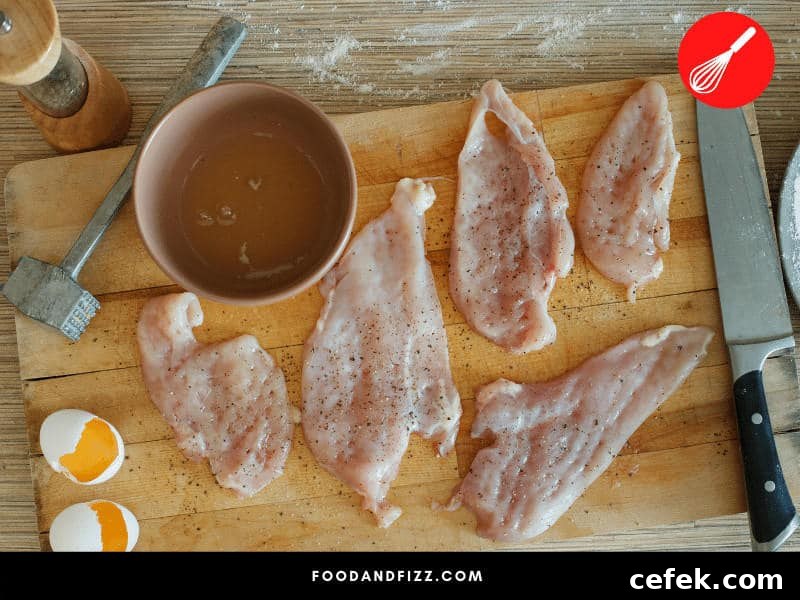
2. Pound chicken breasts so thickness is even
Use a meat mallet or the flat side of a heavy pan to even out thickness, or butterfly the breast. Uniform thickness ensures the whole piece cooks at the same rate and reduces the need to overcook to reach a safe internal temperature.
3. Cube your chicken breasts
For stir-fries or quick sautés, cut chicken into small, even pieces. Smaller pieces cook faster and more evenly, reducing exposure to high heat and the risk of burning.
4. Use the right pan and oil
Choose a pan that matches your cooking method. Cast iron heats fast and holds heat well—great for searing but easy to overheat—so manage the temperature carefully. Nonstick or heavy-bottomed stainless pans can be more forgiving for beginners.
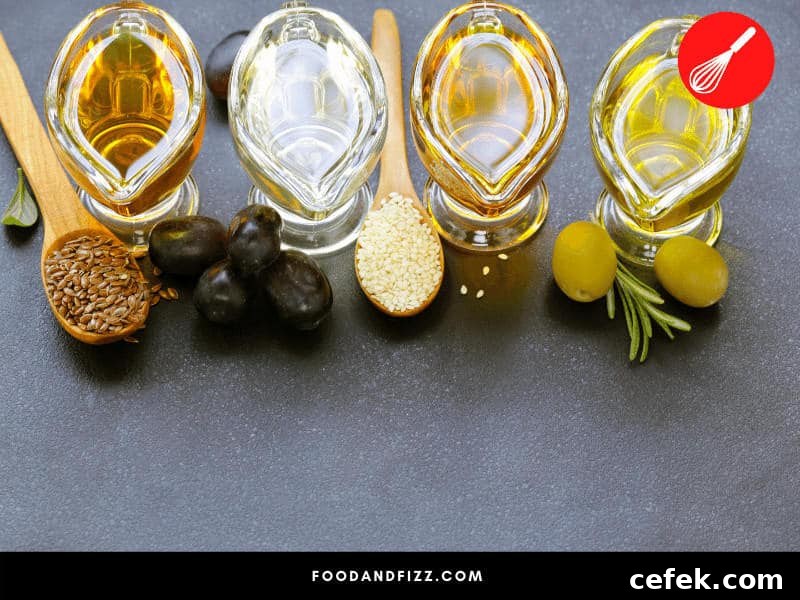
Select an oil with a suitable smoke point for the heat you’ll use. For high-heat cooking, use oils like refined coconut, peanut, or safflower. Avoid delicate oils with low smoke points for searing.
5. Deglaze the pan or build your sauce in the pan
After searing to develop color and flavor, lower the heat and deglaze with stock, water, or wine. This cools the pan slightly and creates moisture to finish cooking without burning. Simmering the chicken in the sauce also adds flavor and prevents the surface from charring.

Conclusion to How Do I Prevent Burned Chicken Breasts when Cooking on the Stovetop?
With attention to temperature, evenness, and cooking technique, chicken breasts can be both healthy and delicious. Prep them properly, choose the right tools and oils, and use deglazing or saucing to finish—these steps will minimize burning and maximize flavor.
Frequently Asked Questions on How Do I Prevent Burned Chicken Breasts When Cooking on the Stovetop?
Does Chicken Breast Cook More Quickly Than Chicken Thighs?
Yes. Breast meat is leaner and cooks faster than dark meat, so it’s more likely to dry out or burn if not watched closely.
Can I Cook Chicken Breast from Frozen?
It’s not recommended to cook breasts from frozen on the stovetop. Thaw or bring them to room temperature first so they cook evenly—otherwise the outside can burn while the inside stays undercooked.