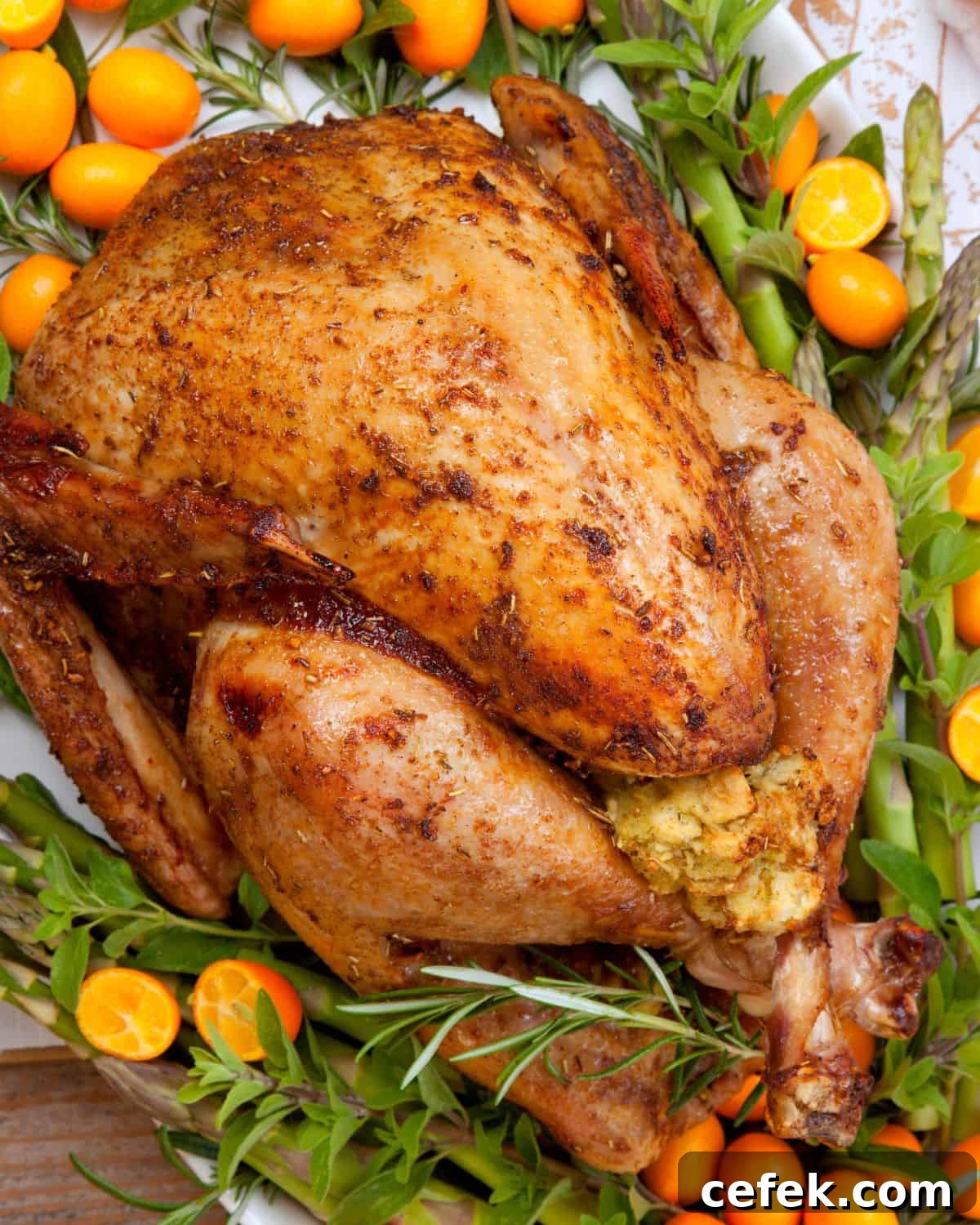
Want to know how to make a juicy turkey? Unlock the secrets to cooking a perfect Thanksgiving turkey with expert tips and clear, step-by-step guidance.
There’s nothing like a gorgeous roast turkey for the holidays. From preparation to carving, this guide covers everything you need for a moist, delicious centerpiece your family will love.
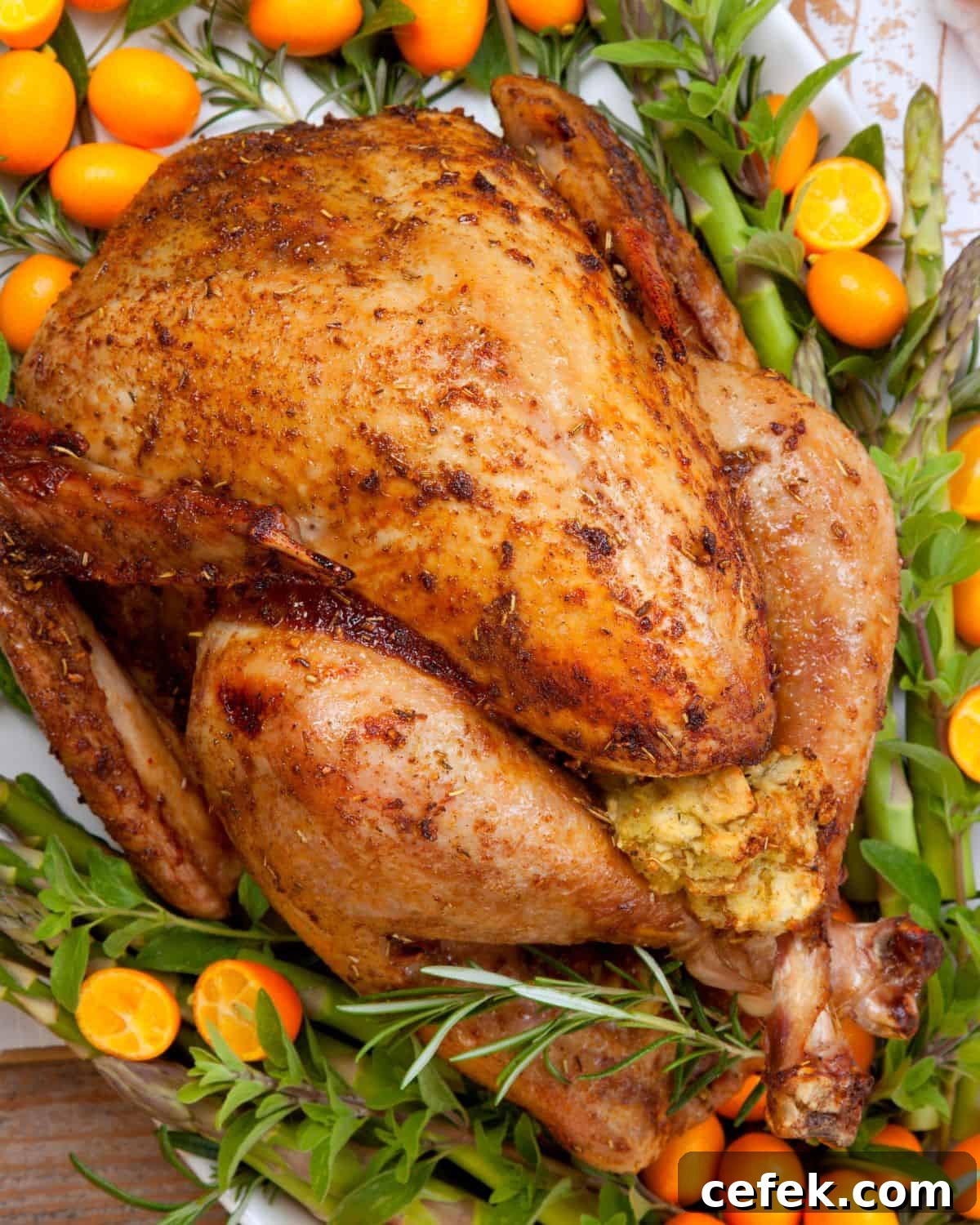
How to Make a Thanksgiving Turkey
Cooking the perfect turkey is more than following a recipe—it starts with preparation. This guide walks you through prepping the bird, seasoning, cooking methods, timing, and carving so you end up with a moist, flavorful turkey.
Whether it’s your first time or you’ve made turkeys for years, you’ll find practical advice to help you succeed.
How to Prep a Turkey
Proper preparation is essential for food safety and for flavor. Seasoning, brining, and careful handling all contribute to a tender, juicy result.
Good prep ensures seasonings penetrate the meat and that the turkey cooks evenly.
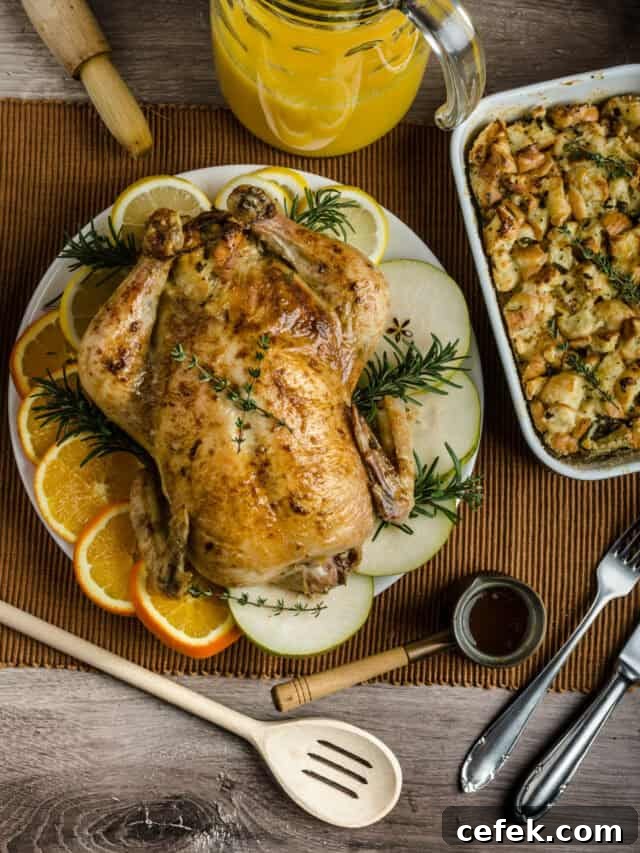
Fresh vs Frozen Turkey
Choose between fresh and frozen turkeys based on timing, budget, and convenience.
Fresh Turkey:
- Availability: Often sold closer to the holidays.
- Convenience: No thawing required.
- Texture & Flavor: Can offer slightly better texture and a vibrant flavor.
- Shelf Life: Shorter, so buy near cooking date.
- Price: Usually pricier than frozen.
Frozen Turkey:
- Storage: Can be bought well in advance and stored in the freezer.
- Availability: Typically available year-round.
- Price: Generally more budget-friendly.
- Thawing: Requires planning—about 24 hours per 4–5 pounds in the refrigerator.
How to Safely Thaw a Turkey
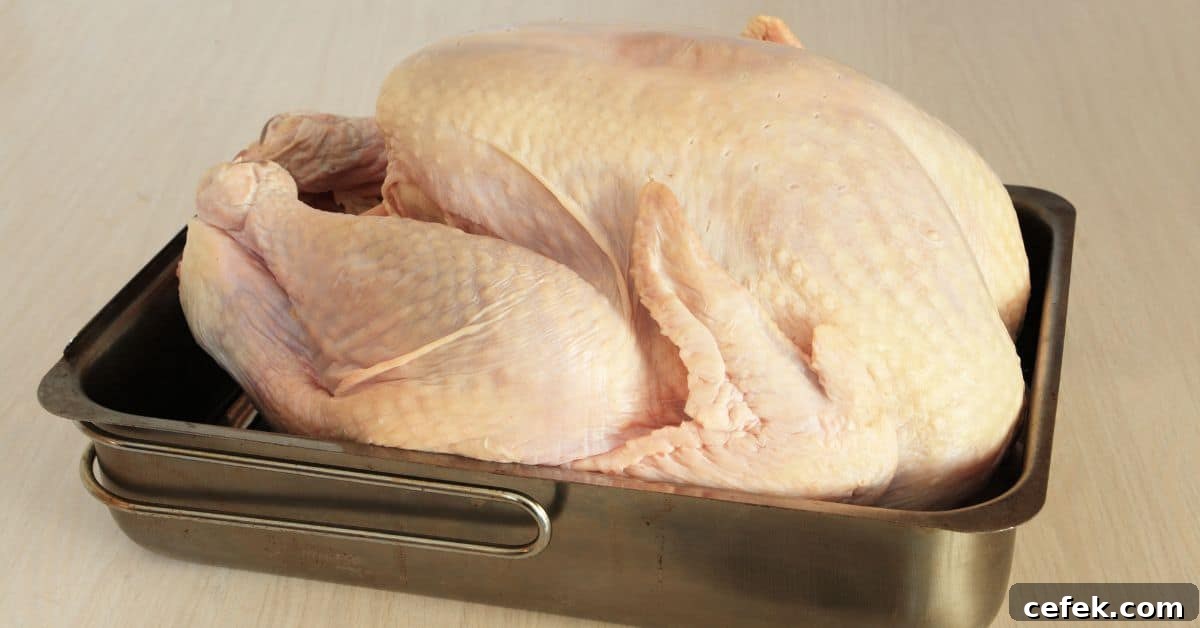
Thawing safely prevents bacterial growth. Refrigeration is the safest method; cold-water thawing can be used if you need to speed the process.
- Plan Ahead: Allow about 24 hours per 4–5 pounds in the fridge.
- Refrigerator Thawing: Keep the turkey in its original packaging on a tray to catch drips and maintain refrigerator temperature at or below 40°F.
- Cold Water Thawing: Submerge the turkey (in sealed packaging) in cold water, changing the water every 30 minutes—estimate 30 minutes per pound. Cook immediately after thawing with this method.
- Monitor: Check daily for even thawing and clean any leaks promptly.
How to Clean Turkey
Cleaning focuses on removing packaging residues and preparing the cavity for seasoning or stuffing. Follow safe handling to avoid contamination.
- Rinse and Inspect: Remove the turkey from the packaging and rinse under cold water if desired to remove ice crystals and juices. Inspect and remove giblets from cavities.
- Pat Dry: Thoroughly dry inside and out with paper towels to help skin brown and seasonings adhere.
- Trim: Remove excess fat or loose skin around the neck and cavity.
- Sanitize: Dispose of packaging, then wash hands, utensils, sink, and surfaces that contacted raw turkey.
- Cook Promptly: After cleaning and seasoning, cook the turkey rather than leaving it at room temperature.
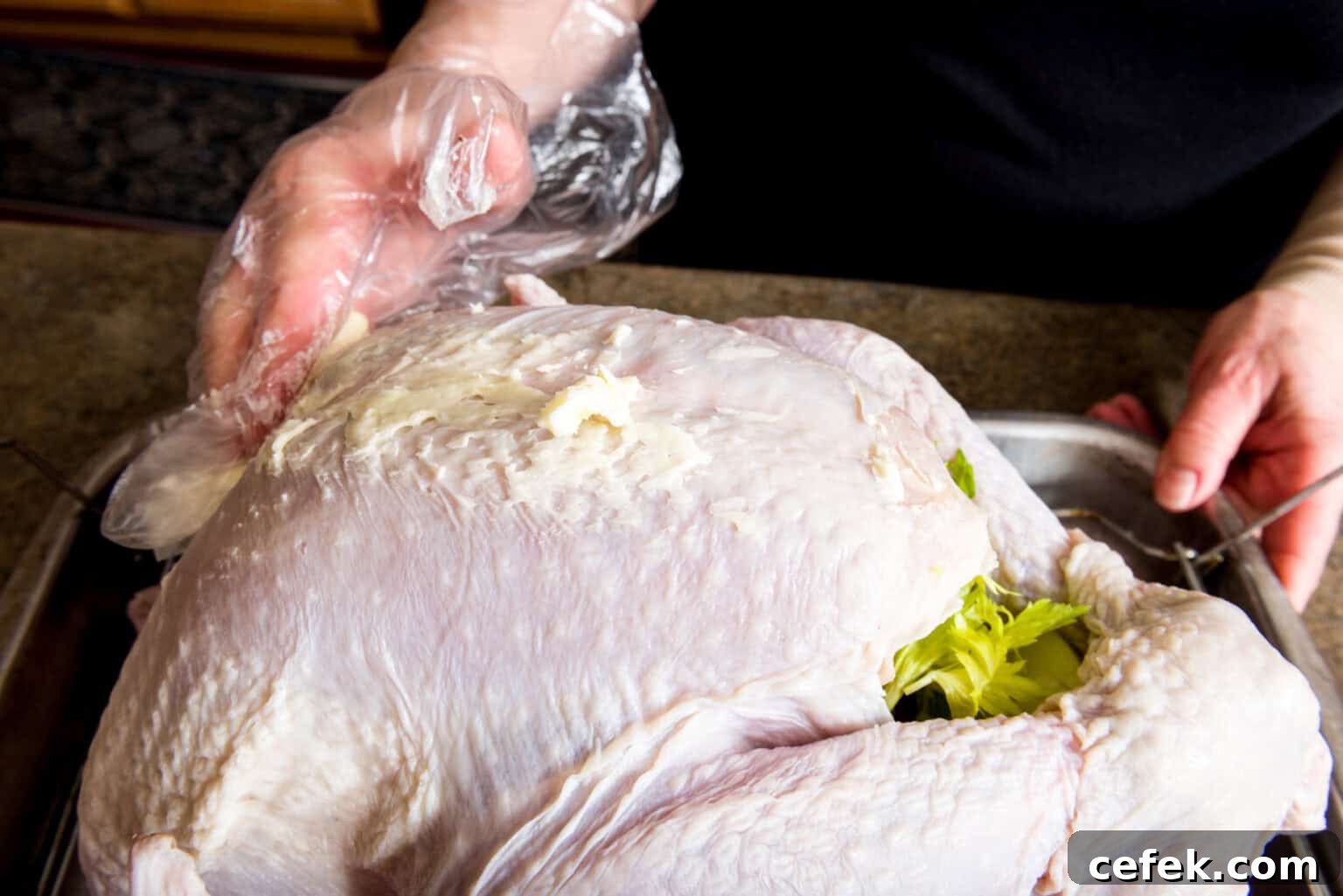
How to Season a Turkey
Proper seasoning adds flavor and helps the turkey retain moisture. Use enough seasoning for a large bird and consider aromatics and fats to boost flavor and browning.
- Season Inside and Out: Season the cavity and the exterior with salt and pepper.
- Salt Generously: Kosher salt enhances flavor and promotes crisp skin.
- Herbs and Aromatics: Use thyme, rosemary, sage, parsley, garlic cloves, onion quarters, or citrus in the cavity.
- Fat: Rub butter or oil over the skin for richer flavor and a golden crust.
- Optional: Brine or marinate for several hours or overnight to deepen flavor and moisture.
- Rest to Penetrate: After seasoning, refrigerate for a few hours or overnight so flavors develop.
Stuffing a Turkey – What You Need to Know
- Timing: Don’t stuff the turkey the night before; prepare stuffing just before roasting.
- Quantity: Aim for about 3/4 to 1 cup of stuffing per pound of turkey, depending on how loosely you pack it.
- Safety: Use fully cooked ingredients in stuffing; raw stuffing inside the bird is unsafe.
- Packing: Pack loosely so heat circulates and both turkey and stuffing cook through.
- Thawing: Never stuff a partially frozen turkey.
- Trussing: Tying the legs can help keep stuffing in place and promote even cooking.
- Temperature: Stuffing must reach 165°F to be safe.
- Alternatives: Consider cooking stuffing separately, especially when smoking or grilling the turkey.
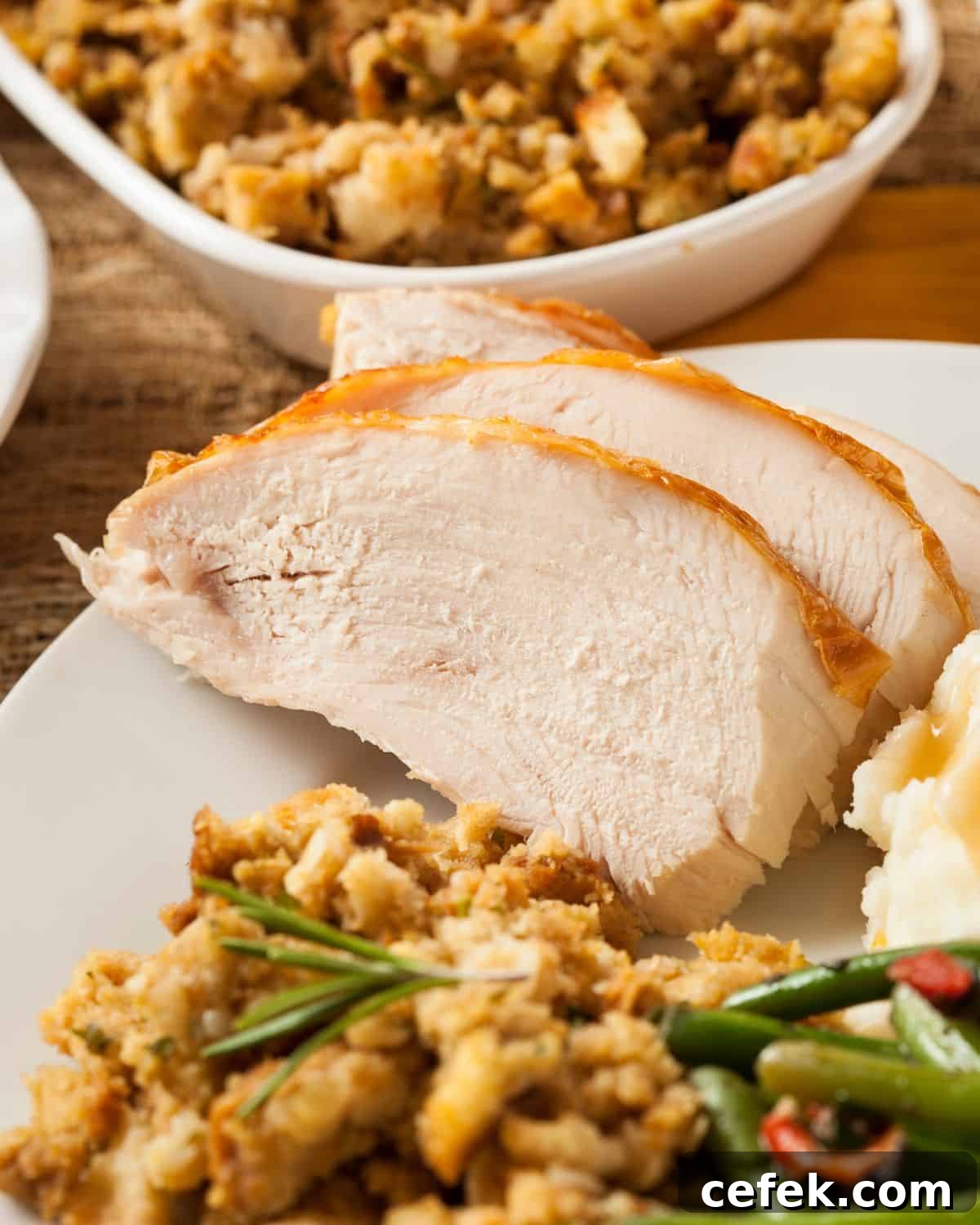
Cooking a Turkey
Roasting in the oven is traditional, but there are many successful methods. Choose one that fits your equipment and flavor goals: classic roast, deep-fry, spatchcock, grill, smoke, slow-cook, braise, or brine-and-roast.
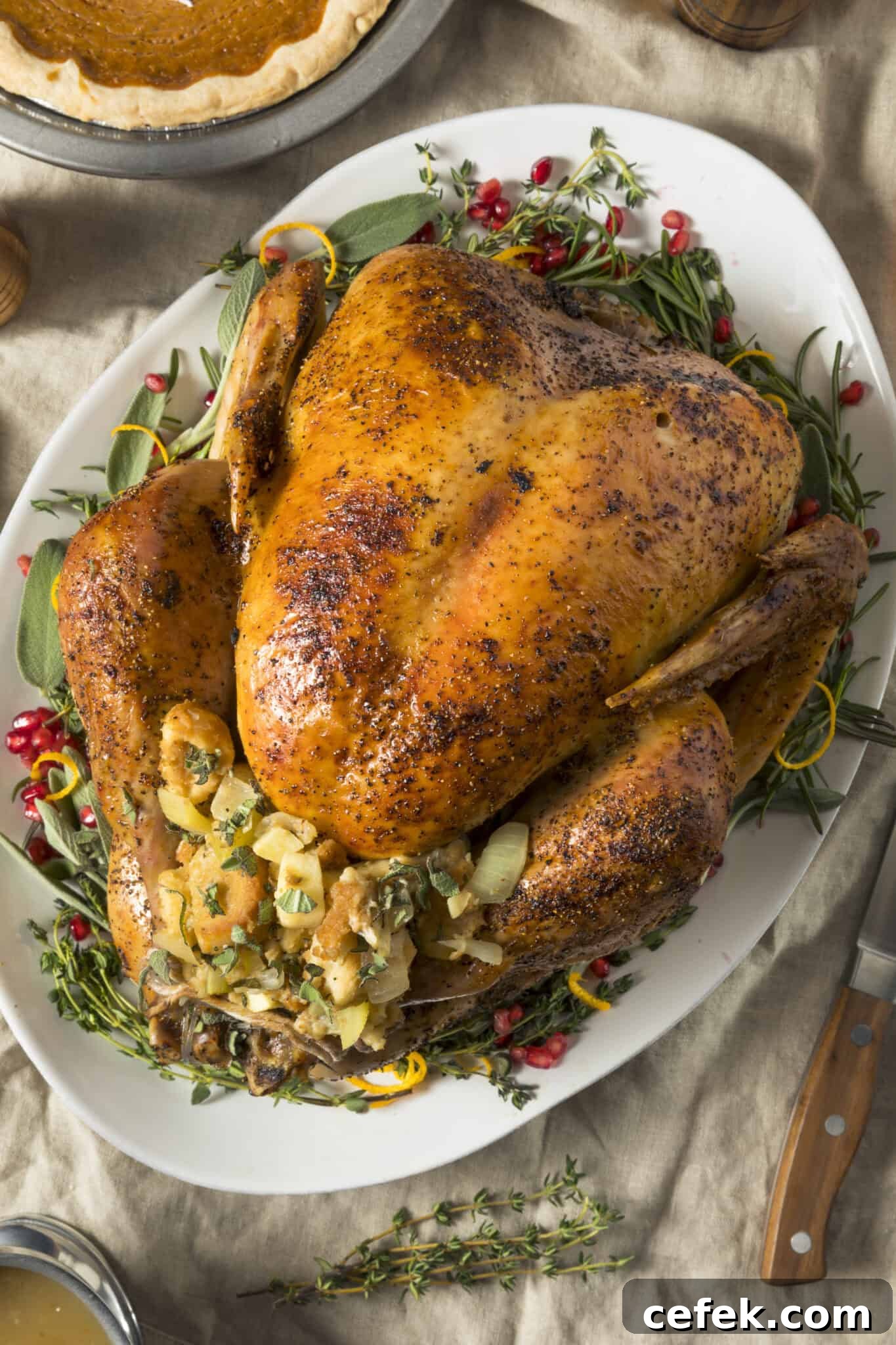
Ways to Cook a Turkey
- Roasting: Classic oven roasting on a rack yields a browned, tender bird.
- Deep-Frying: Produces very crispy skin and juicy meat—requires caution and outdoor space.
- Spatchcocking: Remove the backbone and flatten to reduce cook time and promote even browning.
- Grilling: Adds smoky flavor on gas or charcoal grills.
- Smoking: Low-and-slow smoking imparts rich smoky notes; allow extra time.
- Slow-Cooking: A crockpot yields very tender meat but may not produce crisp skin.
- Braising: Cook in liquid in a covered pot for moist, fall-off-the-bone results.
- Brining then Roasting: Brining before roasting often produces the juiciest results.
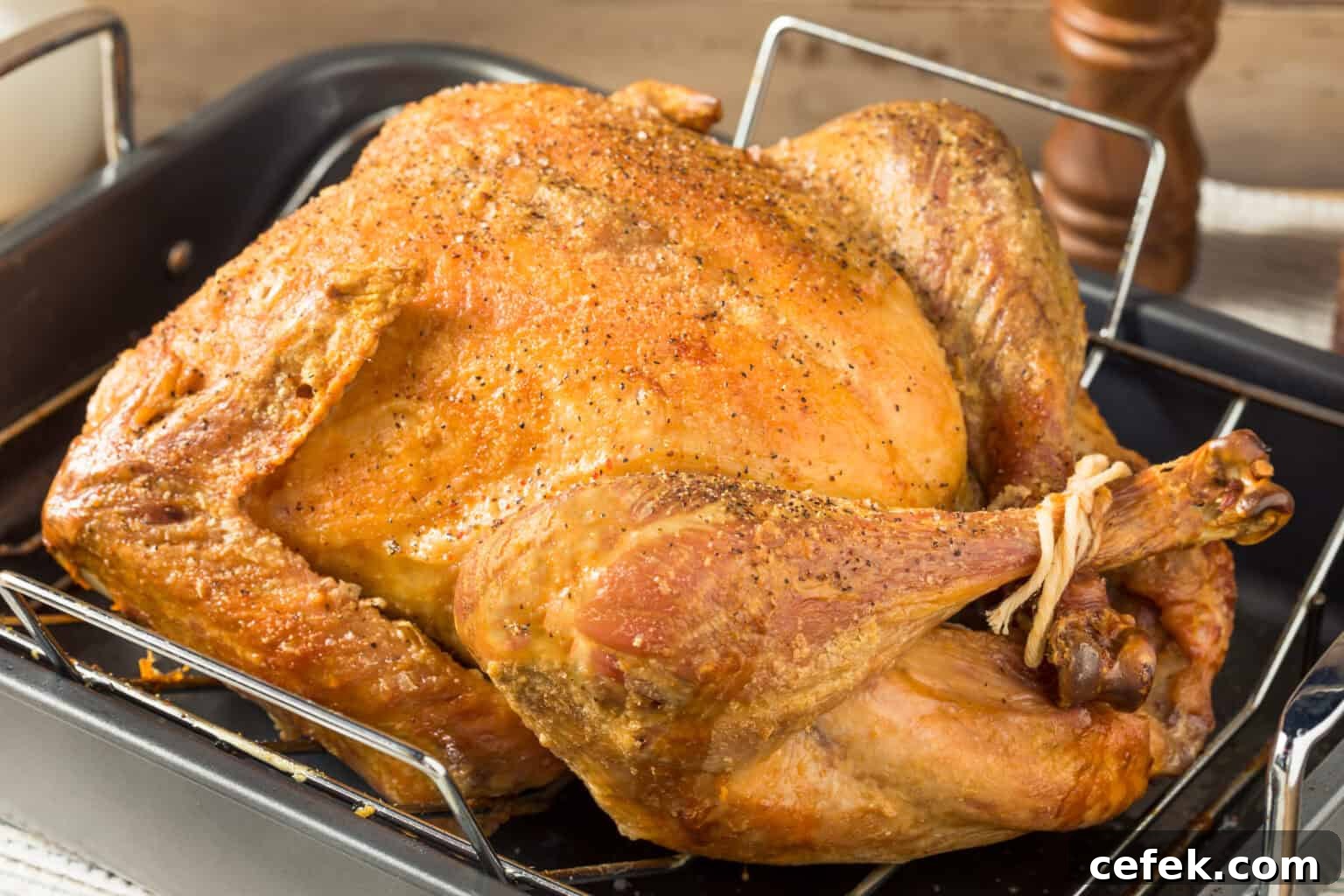
How Long to Cook a Turkey
Avoid overcooking. Estimated times vary by method and size:
- Roasting: Roughly 13–15 minutes per pound at around 325–350°F for an unstuffed turkey.
- Deep-Frying: About 3–4 minutes per pound at 350°F.
- Spatchcocking: Usually 10–15 minutes per pound at 325°F.
- Grilling: About 12–15 minutes per pound at medium-high heat.
- Smoking: Plan 30–40 minutes per pound at 225–250°F.
- Slow-Cooking: Allow several hours on low, depending on cooker size.
- Braising: Can take 2.5–3 hours or more depending on method and size.
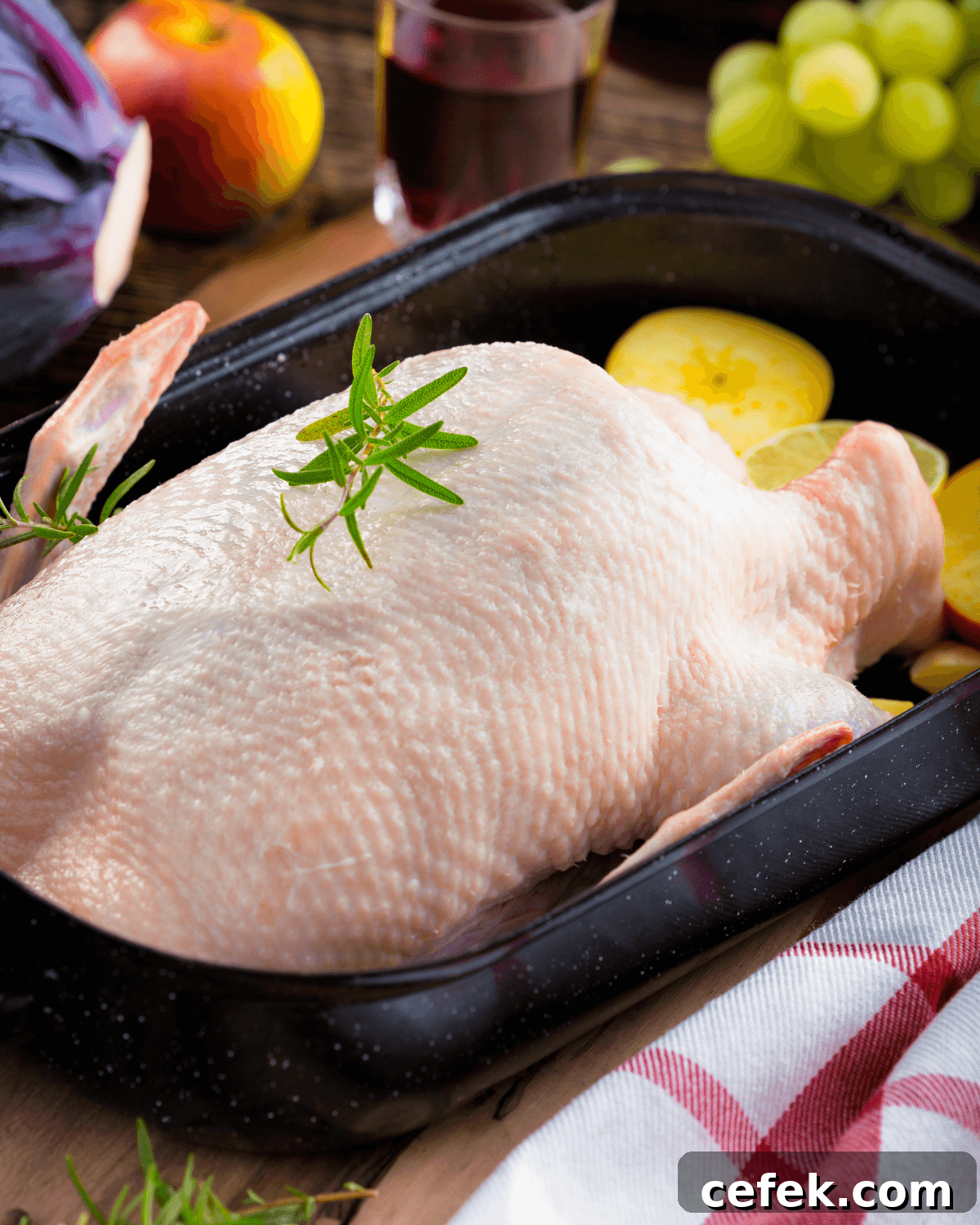
What Temperature to Cook a Turkey
Use a reliable meat thermometer and check in several locations. The safe internal temperature for turkey and stuffing is 165°F. Check the thickest part of the breast and the thigh without touching bone. Account for carryover cooking during rest time.
Carving a Turkey
Let the turkey rest for 20–30 minutes before carving to allow juices to redistribute. With the right tools and sequence, carving is straightforward.
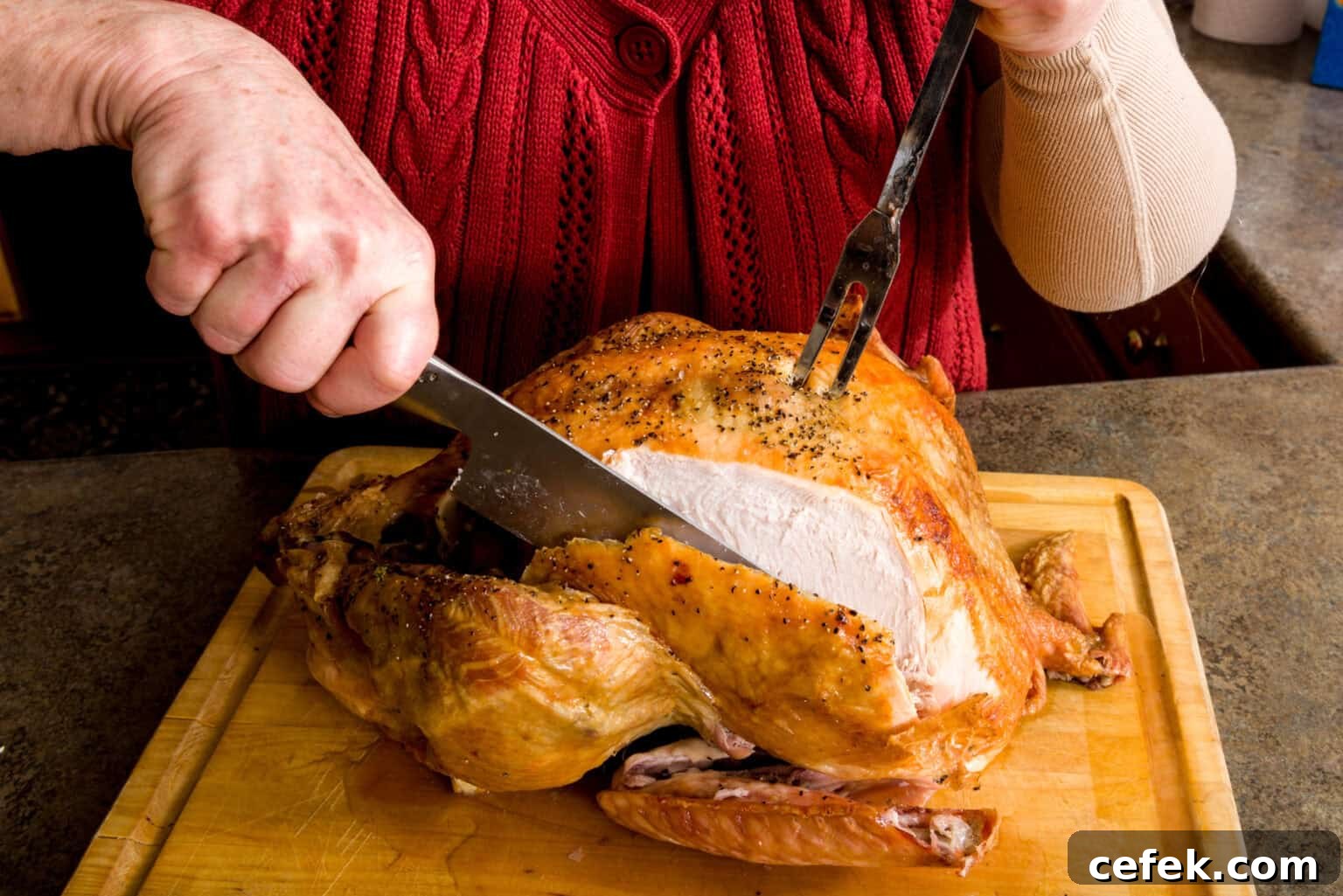
What Tools You Need to Carve a Turkey
- Sharp carving knife
- Carving fork
- Large cutting board
- Serving platter
- Kitchen shears (optional)
- Cut-resistant gloves (optional)
How to Carve a Turkey
- Let It Rest: Rest 20–30 minutes after cooking.
- Remove Legs: Cut skin between leg and body and separate at the joint.
- Remove Wings: Pull wings away and cut through the joint.
- Separate Thighs and Drumsticks: Find the joint and cut through it.
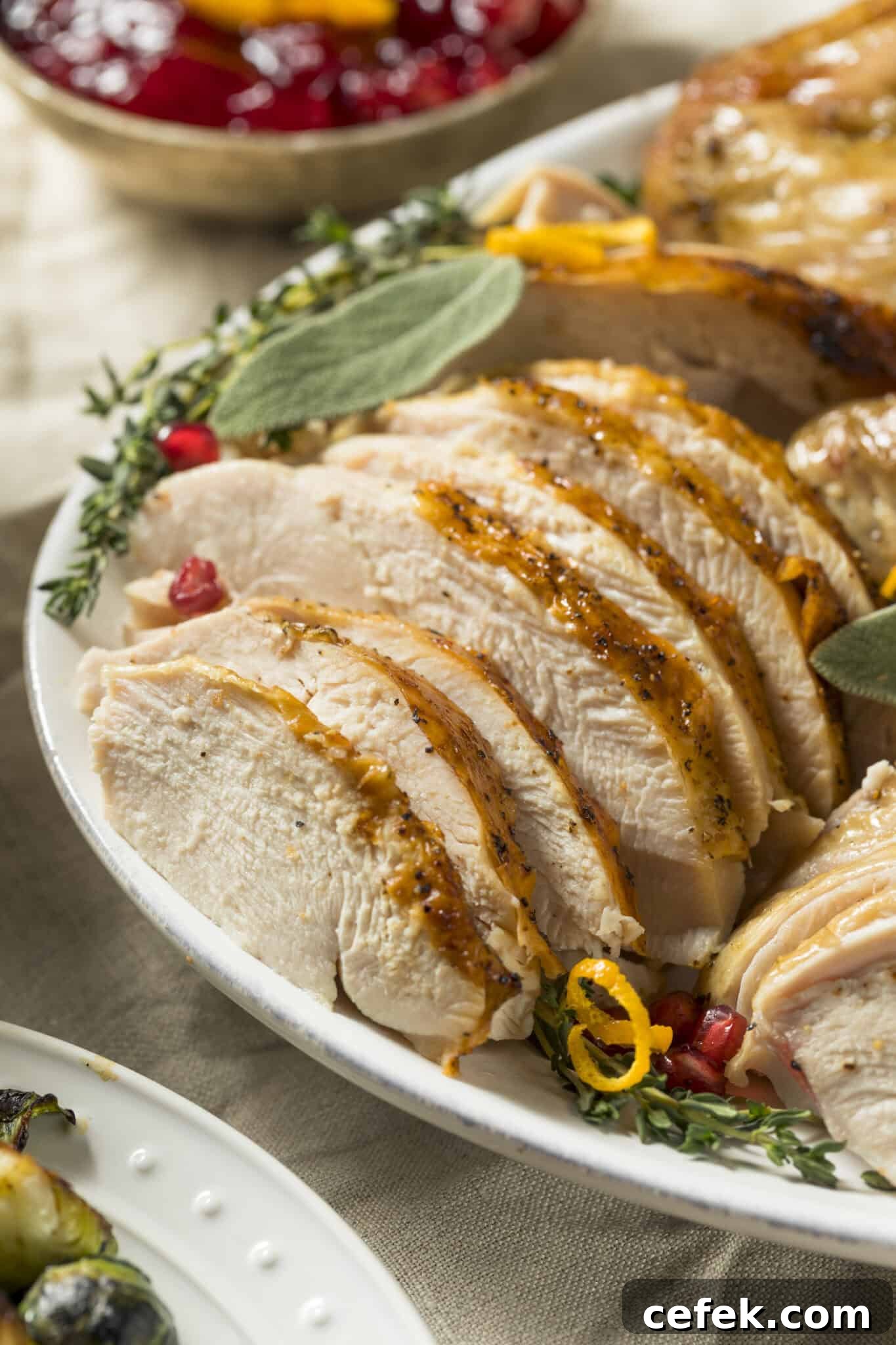
- Slice the Breast: Make a horizontal cut above the wing, then slice thinly parallel to the breastbone.
- Carve Thigh & Drumstick Meat: Slice parallel to the bone.
- Arrange & Serve: Present on a platter for serving.
What to Serve with Turkey
Side dishes complete the holiday meal. Traditional sides, gravies, and stuffing are beloved for a reason—simple, familiar recipes pair best with turkey.
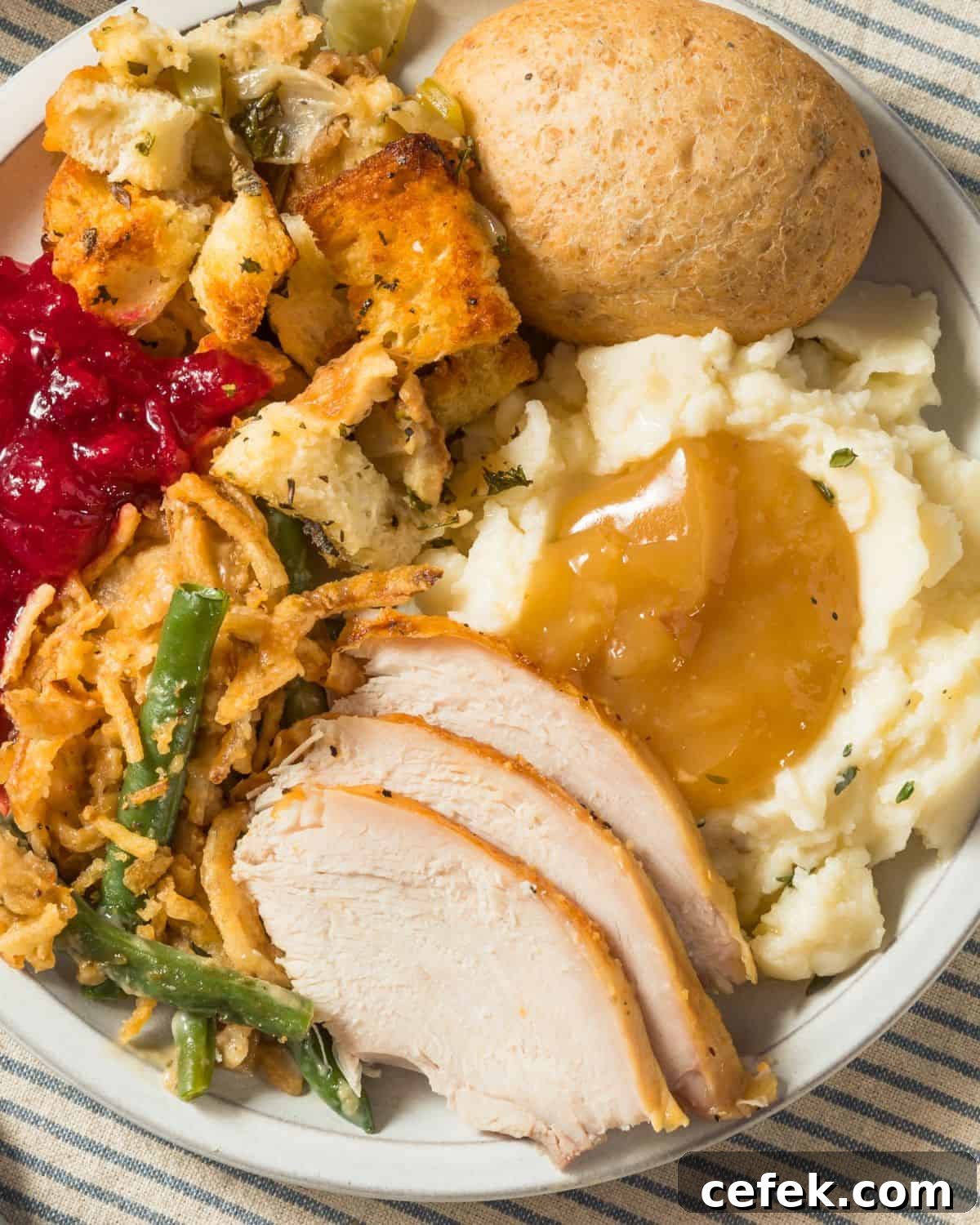
Our Best Stuffing Recipes
Stuffing can be cooked inside the bird or as a separate casserole (often called dressing). Both are tasty; cooking inside the bird adds flavor to the cavity.
- Classic bread stuffing
- Cornbread dressing
- Sourdough stuffing
- Mushroom stuffing (slow-cooker option)
- Sausage and apple stuffing
- Rice stuffing
Our Best Gravy Recipes
Good gravy elevates the meal. Use pan drippings for the most flavorful sauce, or make a smooth gravy without drippings if you prefer.
- Gravy made from pan drippings
- Gravy without drippings
- Giblet gravy
Favorite Thanksgiving Side Dishes
Popular sides include:
- Mashed potatoes
- Sweet potatoes
- Cheesy broccoli casserole
- Homemade cranberry sauce
- Roasted Brussels sprouts
- Garlic-roasted carrots
- Buttery dinner rolls
- Pumpkin pie
What to Do With Leftover Turkey
Leftovers are a highlight of the holidays. Proper storage and creative recipes keep them tasty and safe to eat.
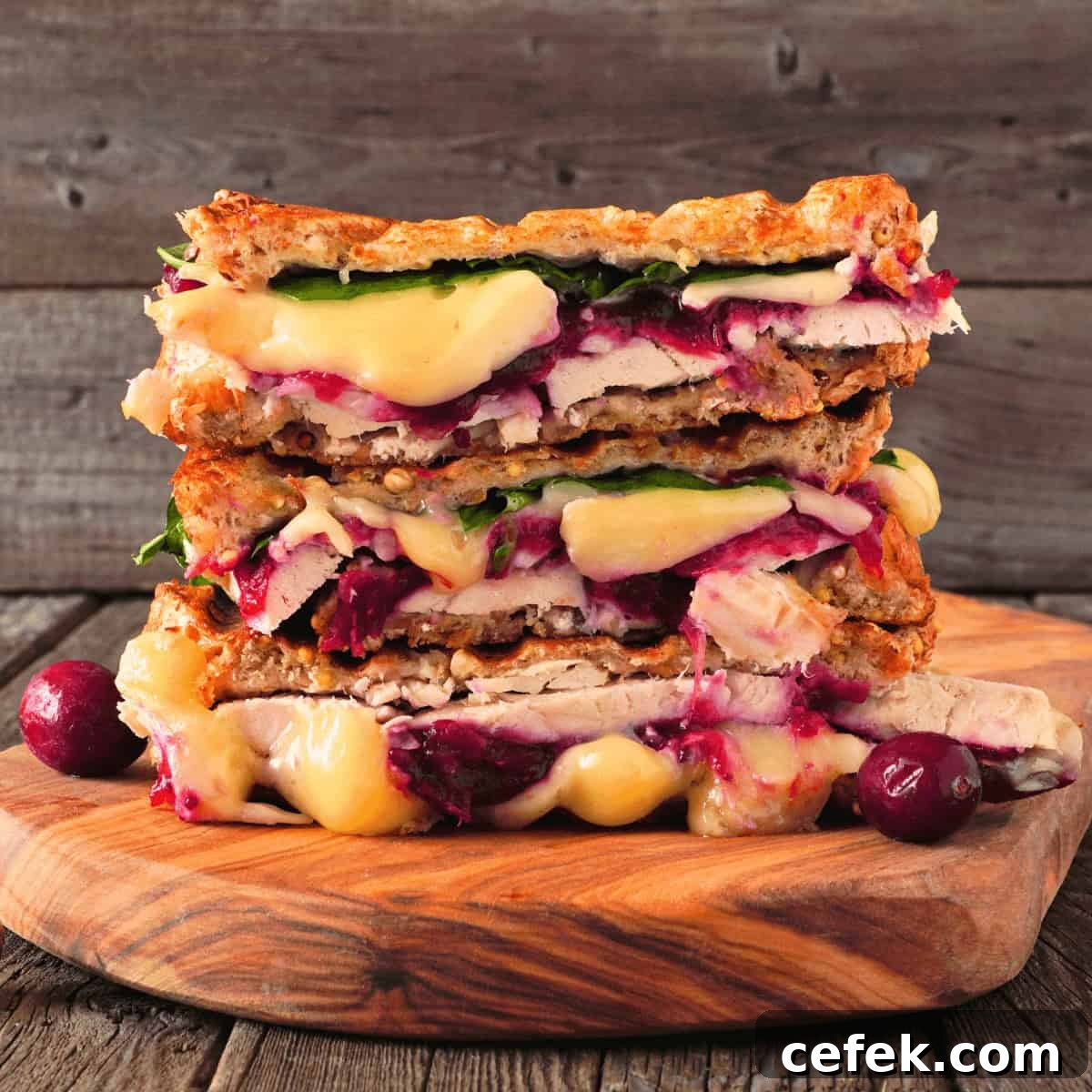
How to Store Leftover Turkey
- Cool Quickly: Don’t leave cooked turkey at room temperature for more than 2 hours.
- Portion: Slice or divide into smaller portions for faster cooling and easier reheating.
- Refrigerate Promptly: Store in airtight containers or resealable bags and refrigerate within 2 hours.
- Label & Date: Use older portions first; refrigerated turkey is best within 3–4 days.
- Freeze for Longer: Freeze in airtight containers for 2–3 months for best quality.
- Thaw & Reheat Safely: Thaw in the refrigerator and reheat to 165°F before serving.
Our Favorite Leftover Turkey Recipes
- Turkey paninis
- Thanksgiving casserole
- Turkey and rice soup
- Turkey pot pie
- Turkey noodle casserole
Turkey FAQs
Do not overcook the bird and monitor internal temperature closely. The turkey is safe and juicy when it reaches 165°F internally. Let it rest 20–30 minutes before carving so juices redistribute.
Many cooks cover the turkey for most of the roast to retain moisture, then uncover it near the end to brown and crisp the skin. This balances juiciness and a golden exterior.
Plan about 1 to 1.5 pounds per person depending on appetite and whether you want leftovers: 1 lb for conservative estimates, 1.25 lb for a comfortable serving, 1.5 lb if you want generous portions or leftovers.
Tips for crispy skin:
- Dry the skin thoroughly before cooking.
- Rub with butter or oil.
- Season generously with salt.
- Start roasting at a higher temperature or increase heat at the end.
- Baste occasionally with pan juices and uncover toward the finish.
Turkey Tips: Expert Advice for Making Perfect Turkey
Key takeaways to ensure a successful turkey:
- Preparation is key: Choose the right bird and allow adequate thawing time when needed.
- Season liberally: Use enough salt and herbs; brining can boost moisture and flavor.
- Cook to temperature: Use a reliable thermometer to avoid overcooking.
- Let it rest: Resting the turkey before carving keeps it juicy.