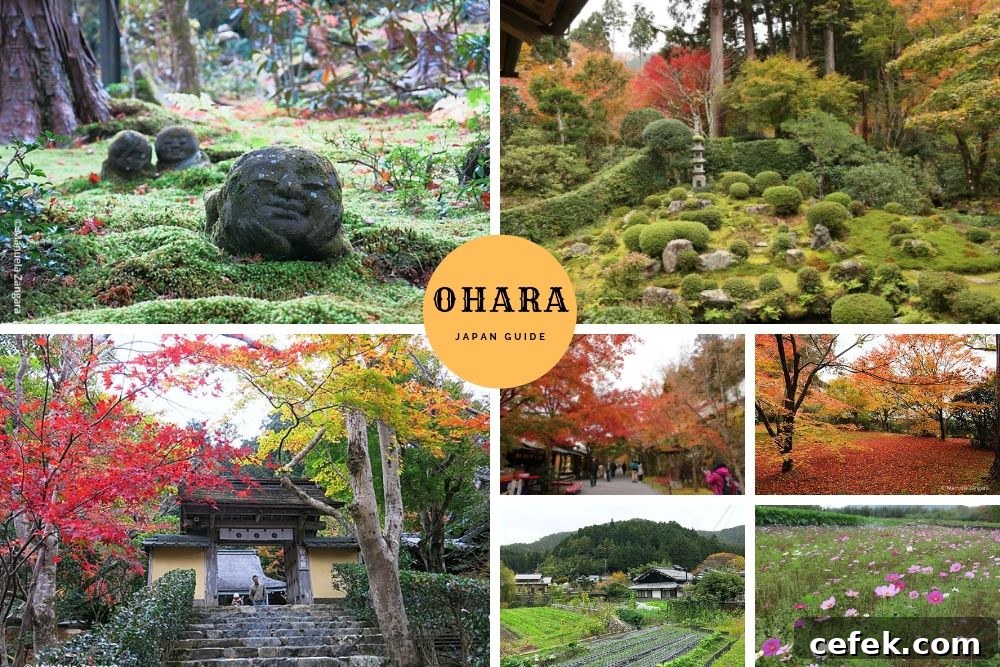
On our most recent trip to Japan we spent 11 nights based in Kyoto. While we explored the city, we also made a number of day trips to nearby destinations. One of the most memorable was Ohara, a tranquil mountain town north of Kyoto. This Ohara – Japan guide describes what to see, how to get there, and why it makes an excellent day trip from Kyoto.
Ohara is a small rural community tucked into the hills about an hour from Kyoto Station. It is best known for Sanzenin Temple and draws many visitors during mid-November when autumn leaves peak — usually a week earlier than central Kyoto. If you visit Kyoto in autumn, consider adding Ohara to your itinerary for a quieter, scenic contrast to the city.
SIGHTSEEING
Ohara is compact and easy to explore on foot from the bus stop. There are several temples and even a small waterfall in the area, but the highlights are Sanzenin and Jakkoin, both offering peaceful gardens and beautiful seasonal colours.
Sanzenin Temple
Sanzenin is the main attraction in Ohara. The walk from the bus stop is lined with small shops and restaurants that welcome temple visitors, and a few smaller temples sit nearby. Sanzenin’s grounds are extensive, with multiple buildings, pathways and carefully tended gardens.
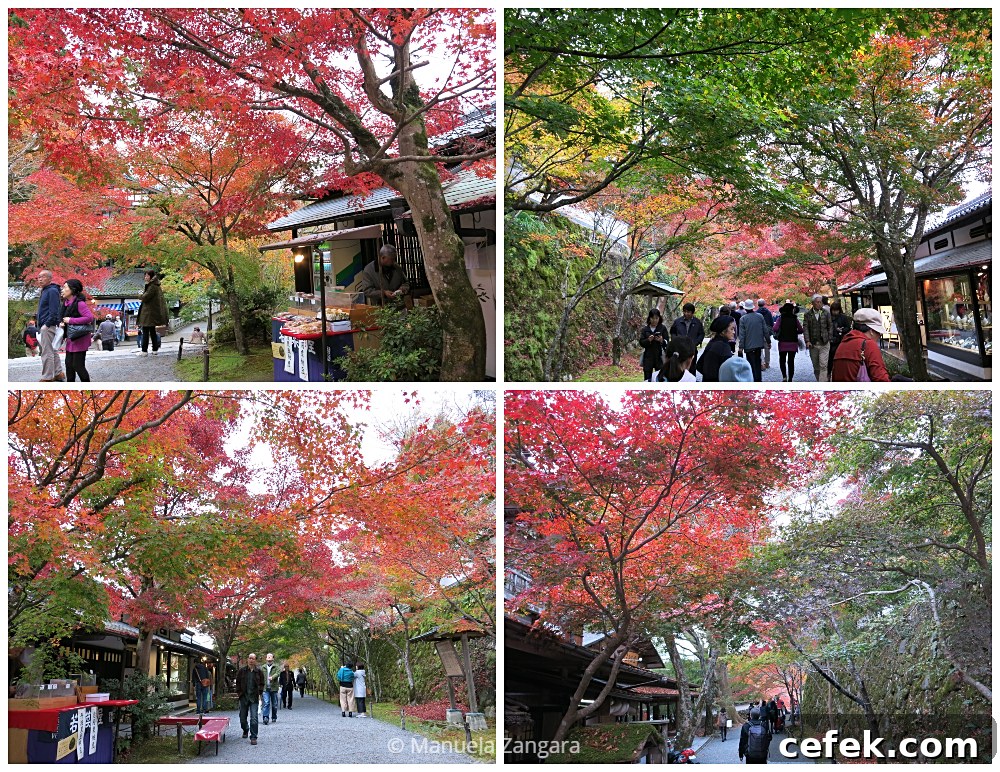
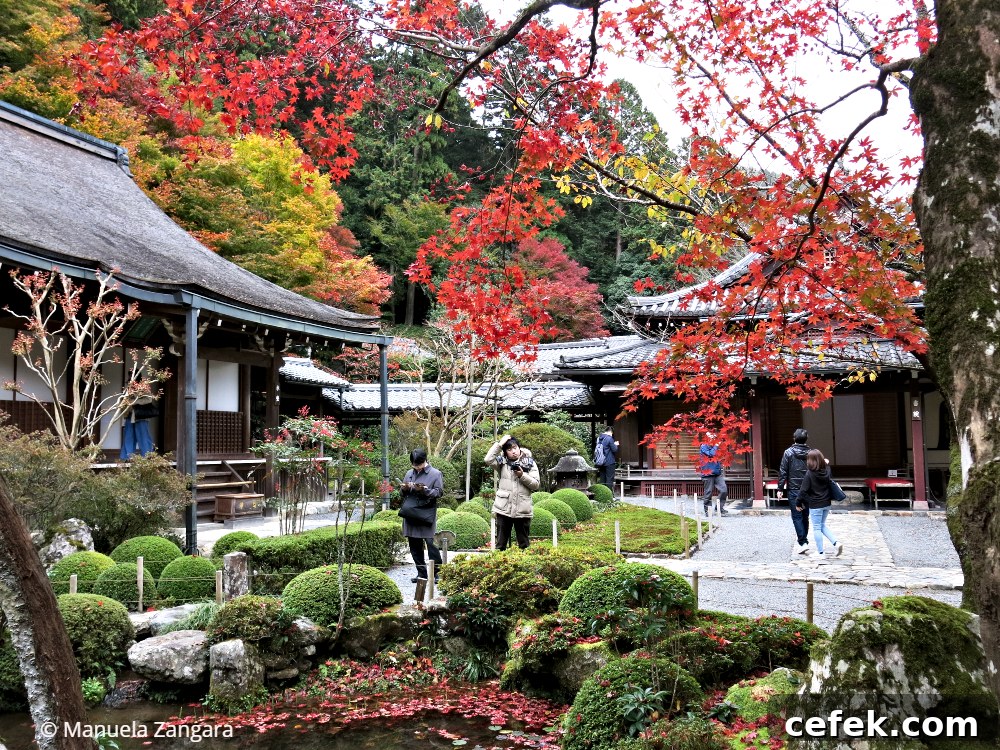
The complex begins with the Kyakuden, or guest hall, which opens onto the Shuhekien Garden — a traditional Japanese garden featuring a pond and gentle hill. Connected by a corridor, the Shinden (main hall) offers the classic view across the moss garden to the Ojo Gokuraku-in Hall framed by maple and cedar trees.
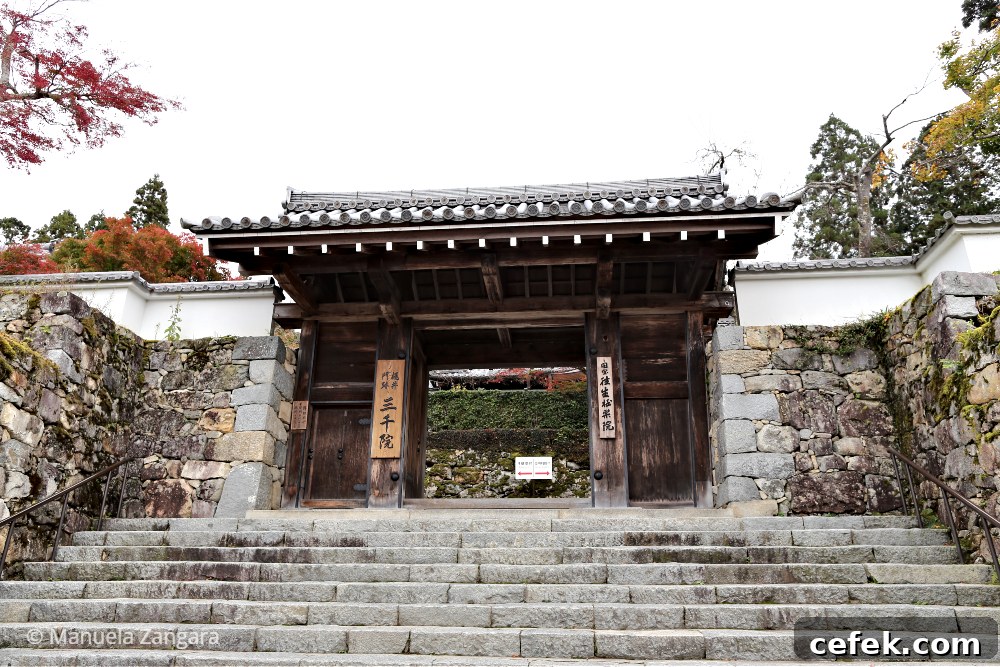
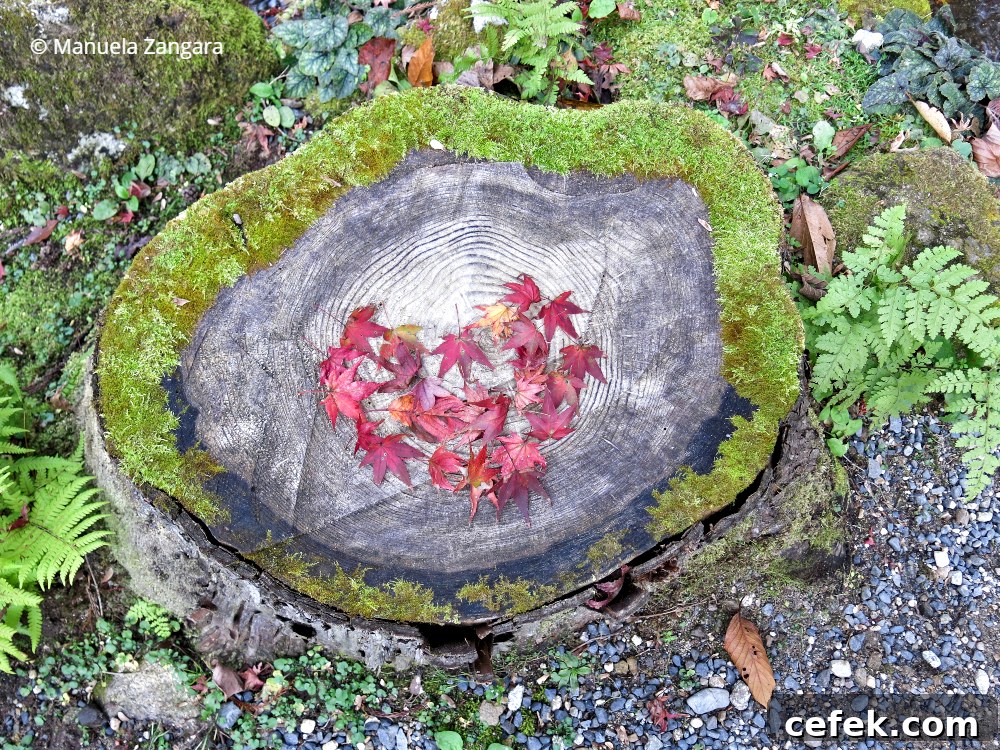
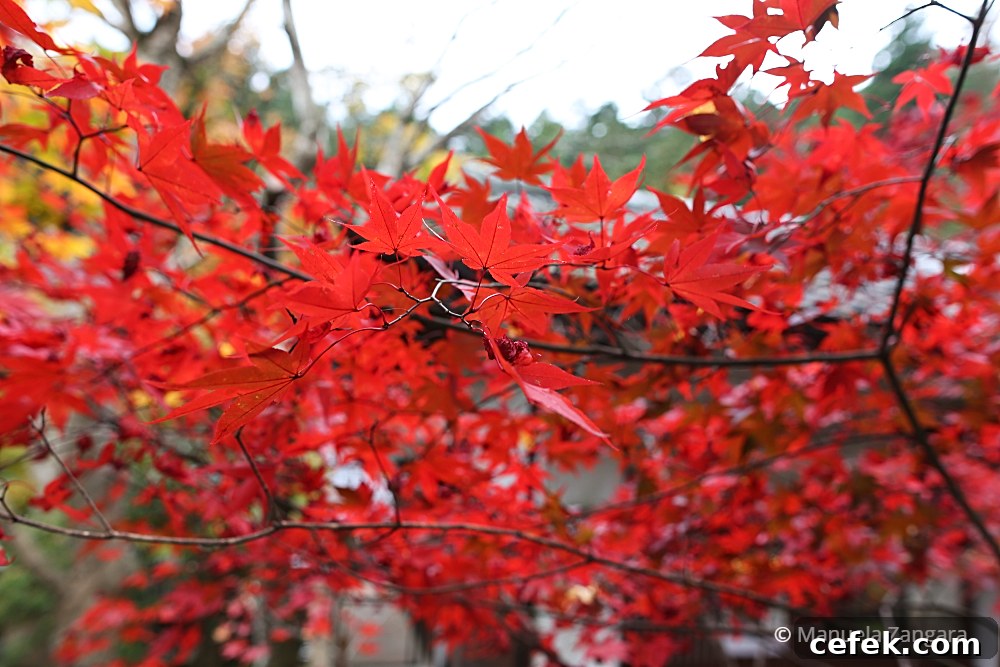
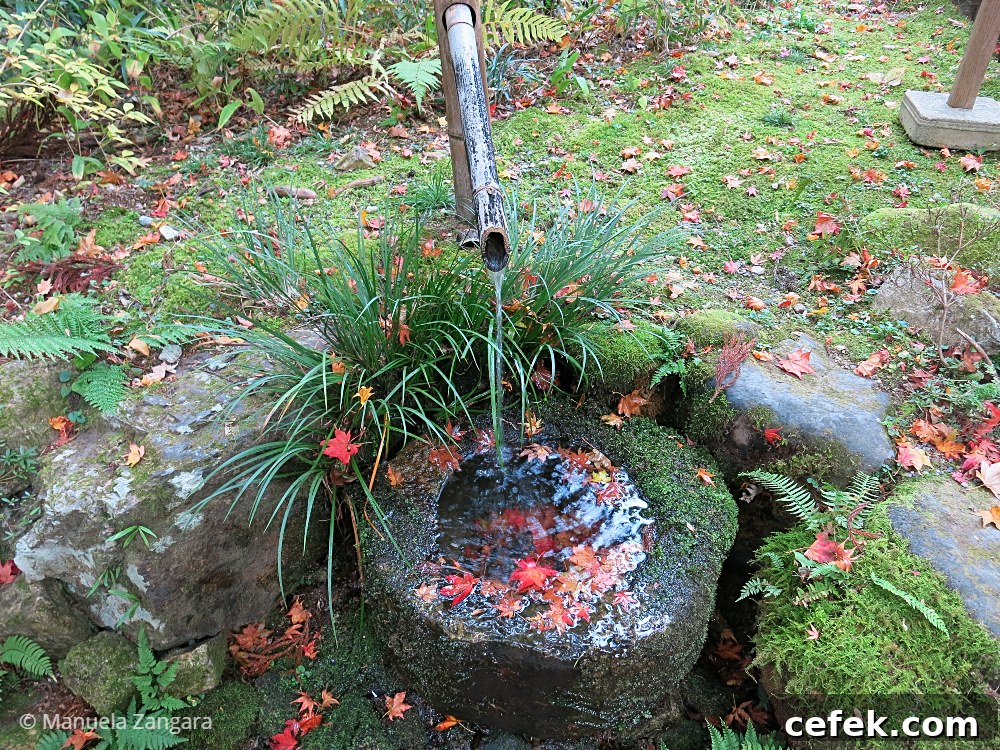
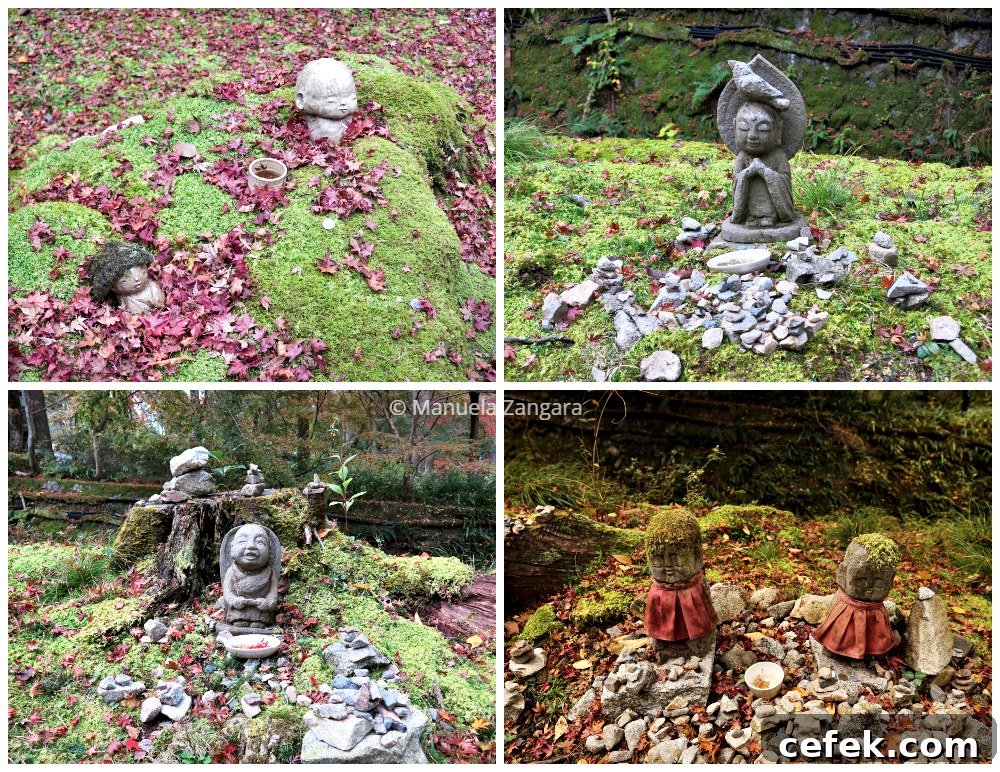
Walking through the moss garden reveals numerous small stone statues, moss-covered stones and quiet corners perfect for reflection. In autumn the garden becomes especially striking as the maples blaze with colour.
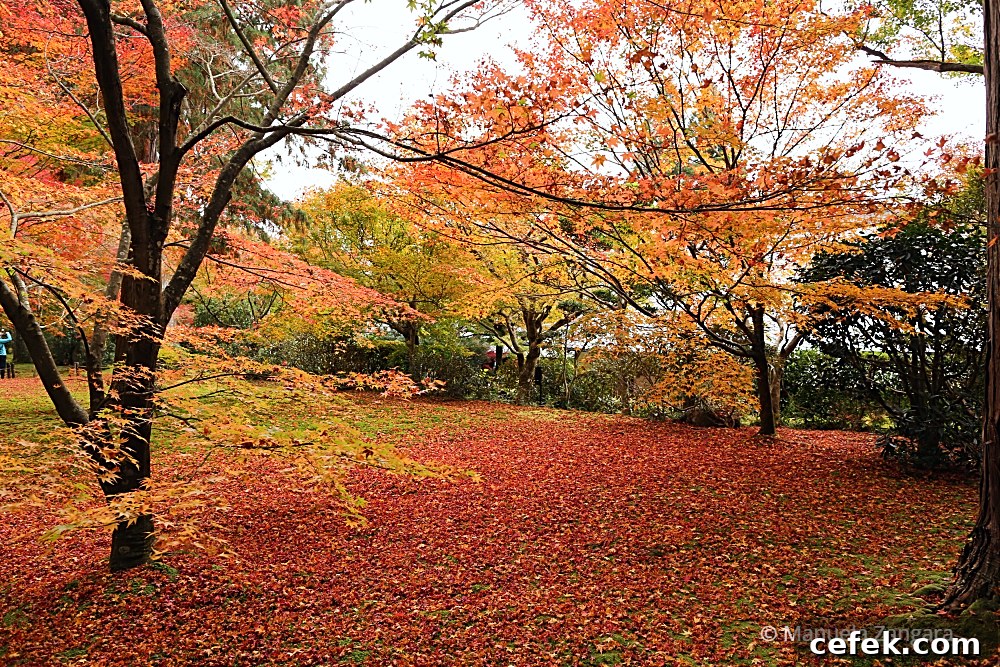
The Ojo Gokuraku-in Hall, located in the centre of the moss garden, is the oldest surviving structure at Sanzenin. Originally built in 985 and rebuilt in 1143, it houses a treasured Amida Buddha statue and remains a focal point of the temple grounds.
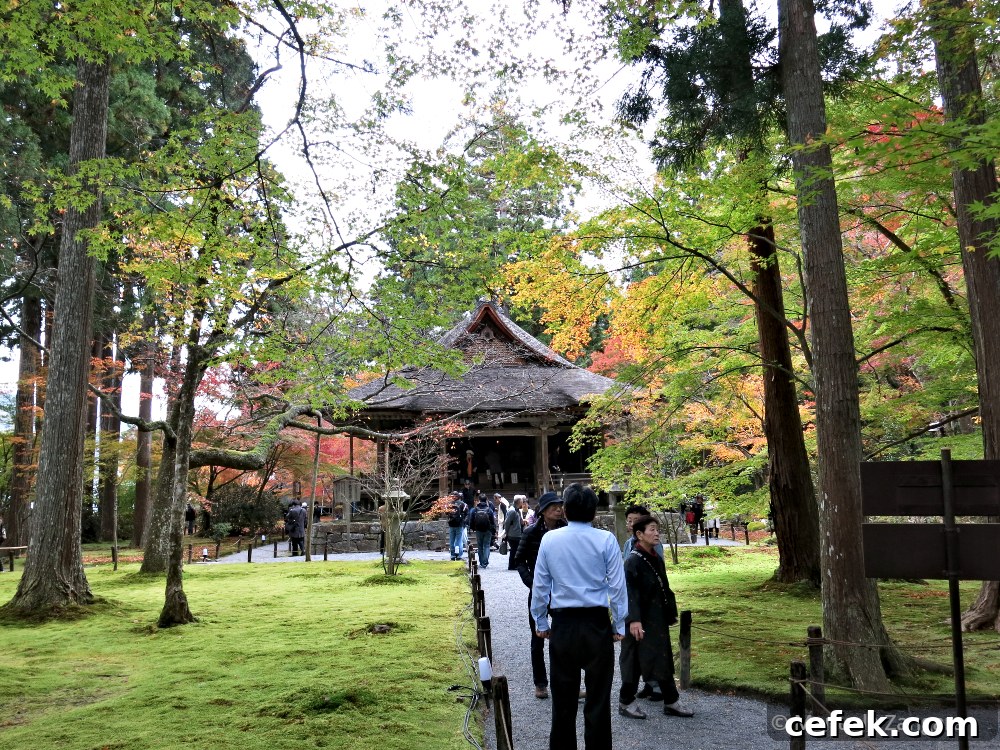
Paths lead from the hall to the quieter rear sections of the temple where newer buildings blend into the peaceful landscape. The entire site is generous in size and beautifully maintained — a highlight for anyone who appreciates traditional gardens and temple architecture.
Jakkoin Temple
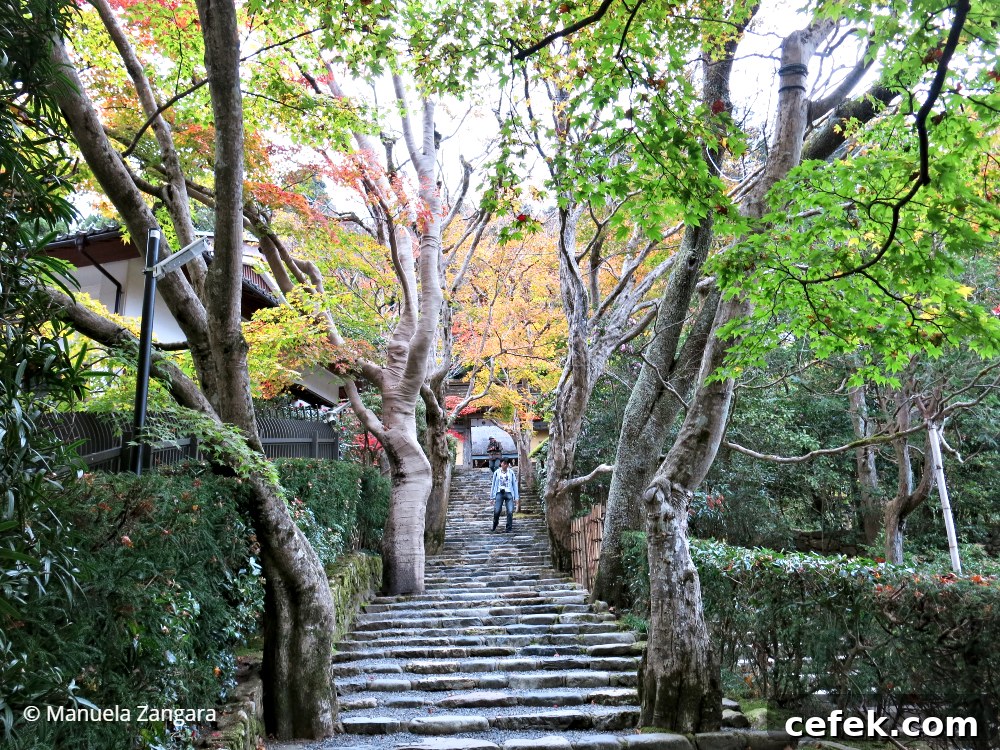
About a 20-minute walk from Sanzenin, Jakkoin sits up a long staircase and has a long history, although it sustained serious damage from an arson fire in 2000. The main hall has since been rebuilt, and the approach is especially attractive in autumn when the leaves turn vivid shades of red and orange.
Jakkoin was once a nunnery associated with an empress and contains a small moss garden and a variety of restored buildings. Notably, an ancient pine known as Princess Komatsu suffered damage in the fire but remains a visible part of the site’s living history.
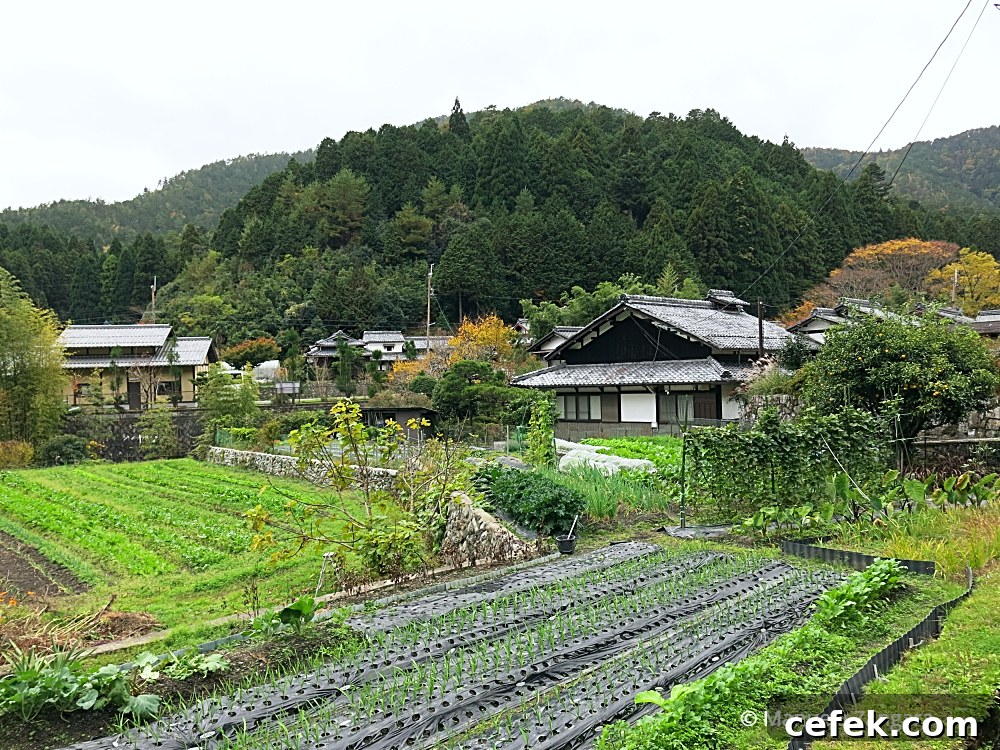
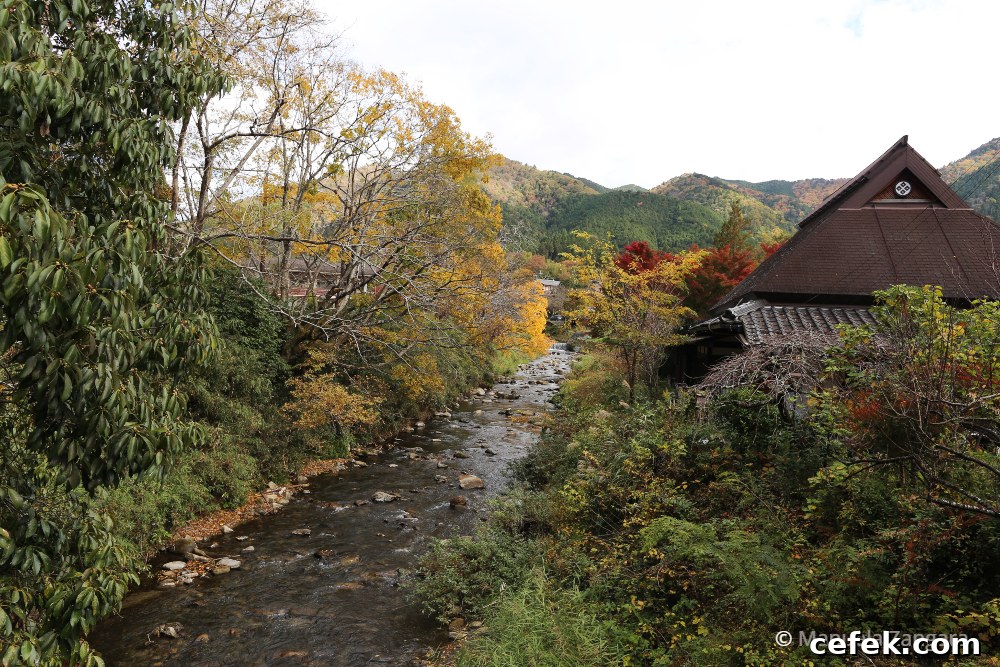
The walk between the two temple areas passes through quiet countryside with traditional houses, fields and seasonal flowers. For me, this rural section of Ohara was the most charming — peaceful, scenic and refreshingly simple.
Overall, Ohara is a compact, picturesque town that rewards visitors with tranquil temples, lovely gardens and a relaxed rural atmosphere. It’s an excellent day trip from Kyoto for those who want to experience a quieter side of the region.
ACCOMMODATION
We stayed in a rental house in Kyoto during our visit. If you prefer to stay in or near Ohara, there are a few ryokan close to Jakkoin and Sanzenin that offer overnight stays and hot spring baths. Many ryokan also offer day-use plans combining a meal and access to the baths, which can be convenient for visitors who do not plan to spend the night.
HOW TO GET AROUND OHARA
The best way to explore Ohara is on foot. The main attractions are close together and walking lets you enjoy the quiet lanes, countryside views and temple grounds at a relaxed pace.
RESOURCES ON MSM
RECIPES:
Tsukune
Yakitori
Gyoza
Salmon Nigiri
Matcha Ice Cream
Beef Korokke
Matcha Nama Chocolates
Chicken Karaage
Cheese Korokke
Tonkatsu
Tonkatsu Sandwich
Sakura Panna Cotta
Onigiri
Japanese Pickled Ginger
TRAVEL IN JAPAN:
Japan Diary 2015
Japan Diary 2017
Japan Diary 2018
Tokyo – Asakusa guide
Miyajima guide – Japan
Hiroshima guide – Japan
Osaka guide – Japan
Koyasan guide – Japan
Nara & Fushimi Inari guide – Japan
Kyoto guide – Japan
Kanazawa guide – Japan
Takayama guide – Japan
Tokyo – Ueno guide
Tokyo – Shinjuku guide
Japan Guide – Geisha
Tsukiji Market – Japan Guide
Nishiki Market – Japan Guide
Haru Cooking Class Kyoto – Japan Guide
Tokyo Off the Beaten Path
Kamakura – Japan Guide
Nikko – Japan Guide
Kawaguchiko – Japan Guide
Nagashima and Nabana no Sato – Japan Guide
Miyajima 2017 – Japan Guide
Hiroshima 2017 – Japan Guide
Kurashiki – Japan Guide
Himeji – Japan Guide
Onsen Etiquette – Japan Guide
Kinosaki Onsen – Japan Guide
Kyoto Off the Beaten Path
Setsubun and Geisha in Kyoto
Fushimi Inari – Japan Guide
Matsumoto – Japan Guide
Jigokudani Monkey Park Guide – Japan
Shuzenji Onsen – Japan Guide
Osaka 2018 – Japan Guide
Miyajima Autumn 2018 – Japan Guide
Nagasaki – Japan Guide
Fukuoka – Japan Guide
Kurokawa Onsen – Japan Guide
Yufuin – Japan Guide
Beppu – Japan Guide
Kunisaki Peninsula – Japan Guide
Kitsuki – Japan Guide
Uji – Japan Guide
Takao – Japan Guide
Don’t forget to pin this post!
HOW TO GET TO OHARA FROM KYOTO
From Kyoto Station the quickest route is to take the Karasuma Subway Line to its terminal, Kokusaikaikan Station (about 20 minutes), then transfer to Kyoto Bus number 19 to Ohara (about 20 minutes; service runs roughly every 40 minutes). Alternatively, Kyoto Bus number 17 runs directly from Kyoto Station to Ohara in about 60 minutes, with buses every 20 minutes, and provides a route via Shijo-Kawaramachi in about 45 minutes.
In peak season the buses fill up quickly. If you travel during busy times, consider boarding at the station early, since the ride can be long and the buses are not covered by the standard 1-day bus pass.
MAP
Interactive map available on mapping services for precise directions and points of interest in Ohara.
WHERE TO STAY IN KYOTO
Kyoto offers a wide range of accommodation options, from rental homes and guesthouses to traditional ryokan. Many visitors prefer to base themselves in central Kyoto and make day trips to nearby towns like Ohara.
*In the spirit of full disclosure, this post contains some affiliate links, which means I may earn a commission if you make a purchase through partners’ sites.