You’ve likely heard that buying organic food is better when possible. But what does “organic” actually mean? How does “organic” differ from “certified organic,” and is organic food truly healthier?
This article answers those questions with a focus on USDA standards, which govern organic certification for agriculture, meat, and related products in the United States. While other countries use different certifiers, the USDA framework is the most familiar to American consumers.
Table of Contents
- What Does The USDA Organic Label Really Mean?
- What Or Who Is The USDA?
- USDA vs. FDA
- What Are The Requirements For a 100% Organic Label?
- The Different Types of USDA Certified Organic
- What Is The Difference Between Organic And Certified Organic?
- How Much Does the USDA Organic Certification Cost?
- What Kind Of Food Products Can Be Organic?
- Is Organic Food Really Healthier For You?
- Can Something Be Organic And Not Be Healthy?
- “The Big Three” Threats to Organic Standards
- Agencies That Affect, Certify, and Influence Organic Labels
- Are Organic Fruits and Vegetables Worth the Expense?
- Top 5 Fruits & Vegetables Laden with Pesticides (Buy Organic)
- Top 5 Fruits & Vegetables Safer to Buy Conventional
- Beware of Greenwashing in “Organic” Foods
- Going Beyond Organic: What is Regenerative Farming?
- Conclusion
What Does The USDA Organic Label Really Mean?
A USDA organic label tells you that a product—or the ingredients it contains—was produced, handled, and processed according to specific rules that restrict many synthetic inputs. In short, USDA organic products are grown, raised, processed, and treated without most synthetic pesticides, synthetic fertilizers, hormones, sewage sludge, irradiation, genetic engineering (GMOs), and many other additives.
To carry a USDA organic label, farms and processors must meet defined standards and pass an annual audit by an accredited third-party certifying agent. Several other labels can indicate organic practices, but the USDA seals are the primary federal standard in the United States.
This post may contain affiliate links; recommendations are offered based on ingredient and material safety standards.
What Or Who Is The USDA?
The USDA is the United States Department of Agriculture. It oversees organic certification in the U.S. and administers many other agriculture and food-related programs, including SNAP (Supplemental Nutrition Assistance Program) and agencies like the U.S. Forest Service. The USDA sets rules and policies affecting farming, food safety, and agricultural trade.
USDA vs. FDA
The USDA and FDA both regulate aspects of the food supply, but their responsibilities differ. The USDA focuses on agriculture, meat, poultry, and egg products, while the FDA regulates most other foods, beverages, pharmaceuticals, and dietary supplements.
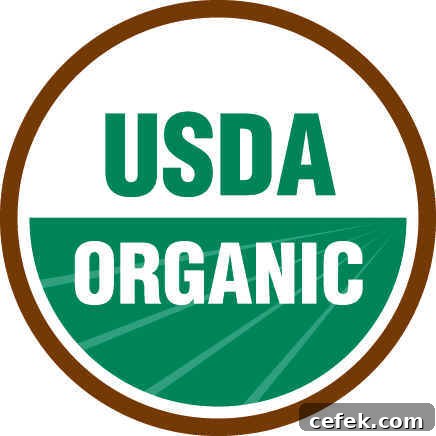
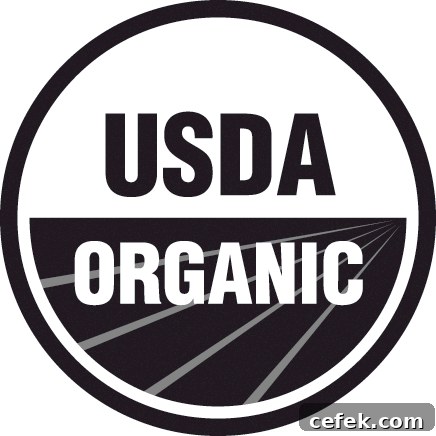
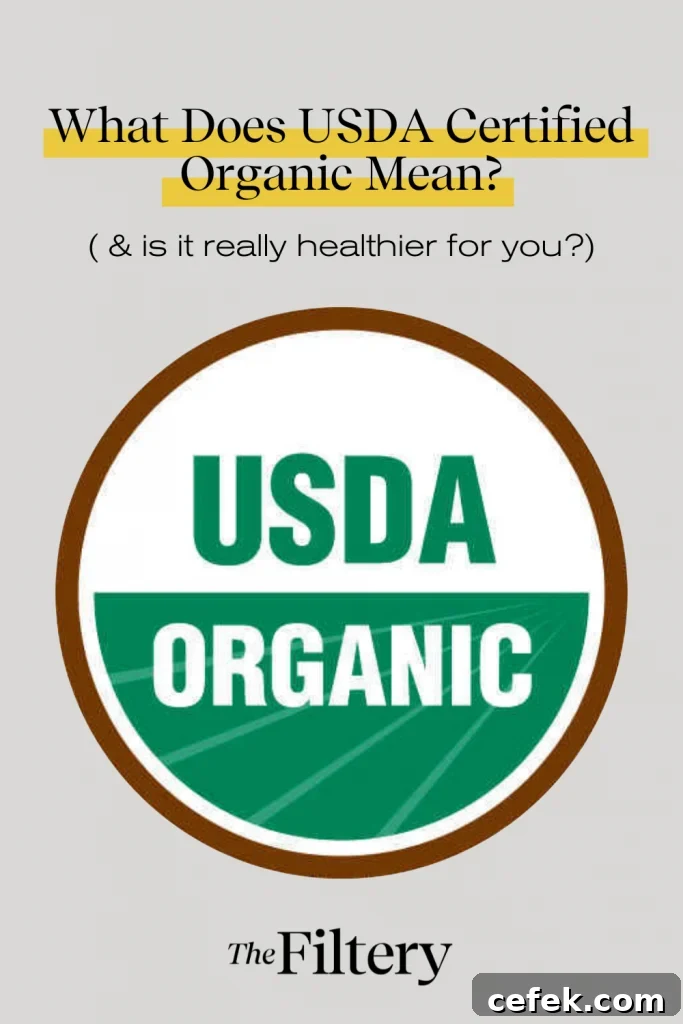
The two labels shown are the official USDA organic seals; look-alikes can result in fines.
What Are The Requirements For a 100% Organic Label?
To label a product as 100% organic, it must be produced without the use of:
- most synthetic pesticides
- most synthetic fertilizers
- growth hormones
- sewage sludge
- irradiation
- genetic engineering (GMOs)
Farms must also demonstrate a three-year transition period free from prohibited substances before certifying, because residues can persist in soil. During those three years, the farm cannot use the USDA organic label but may receive technical and financial assistance to transition to organic practices.
There are limited exceptions—for example, certain synthetic or non-organic materials listed on the National List are allowed at low levels for specific uses, and some veterinary treatments for livestock (like vaccines) are permitted. Certain natural toxins, such as arsenic and strychnine, remain prohibited.
USDA-accredited certifiers inspect operations annually, reviewing fields, soil, water systems, equipment, storage, feed, animal living conditions, recordkeeping, and may perform residue or tissue testing. Certified farms and processors must undergo yearly inspections to maintain their organic status.
The Different Types of USDA Certified Organic
The USDA defines several label categories:
- 100% Organic: All ingredients are organic.
- USDA Organic: At least 95% of ingredients are organic; up to 5% of ingredients may be non-organic but must be on the National List of Allowed and Prohibited Substances.
- Made with Organic [Ingredients]: At least 70% of the product’s ingredients are organic and certain ingredients are identified on the label. Products under 70% organic cannot use USDA organic labeling, but may list organic ingredients individually in the ingredient statement.
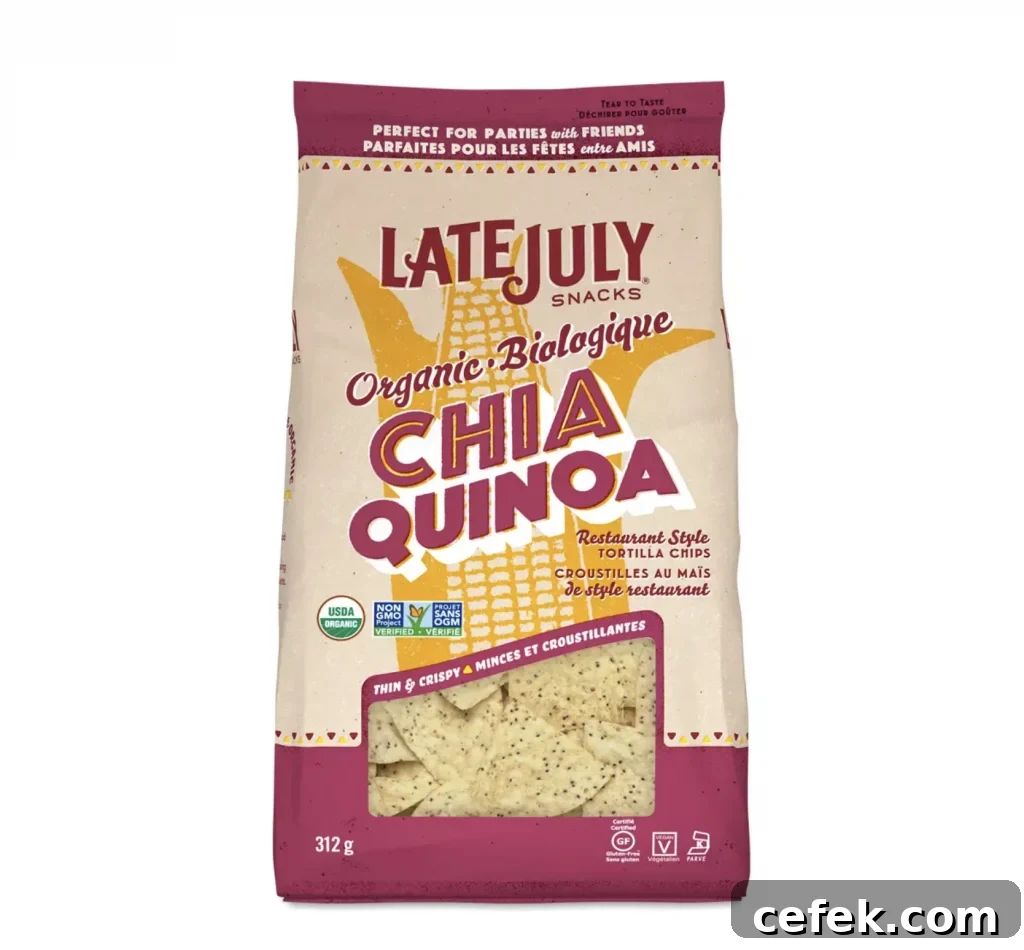
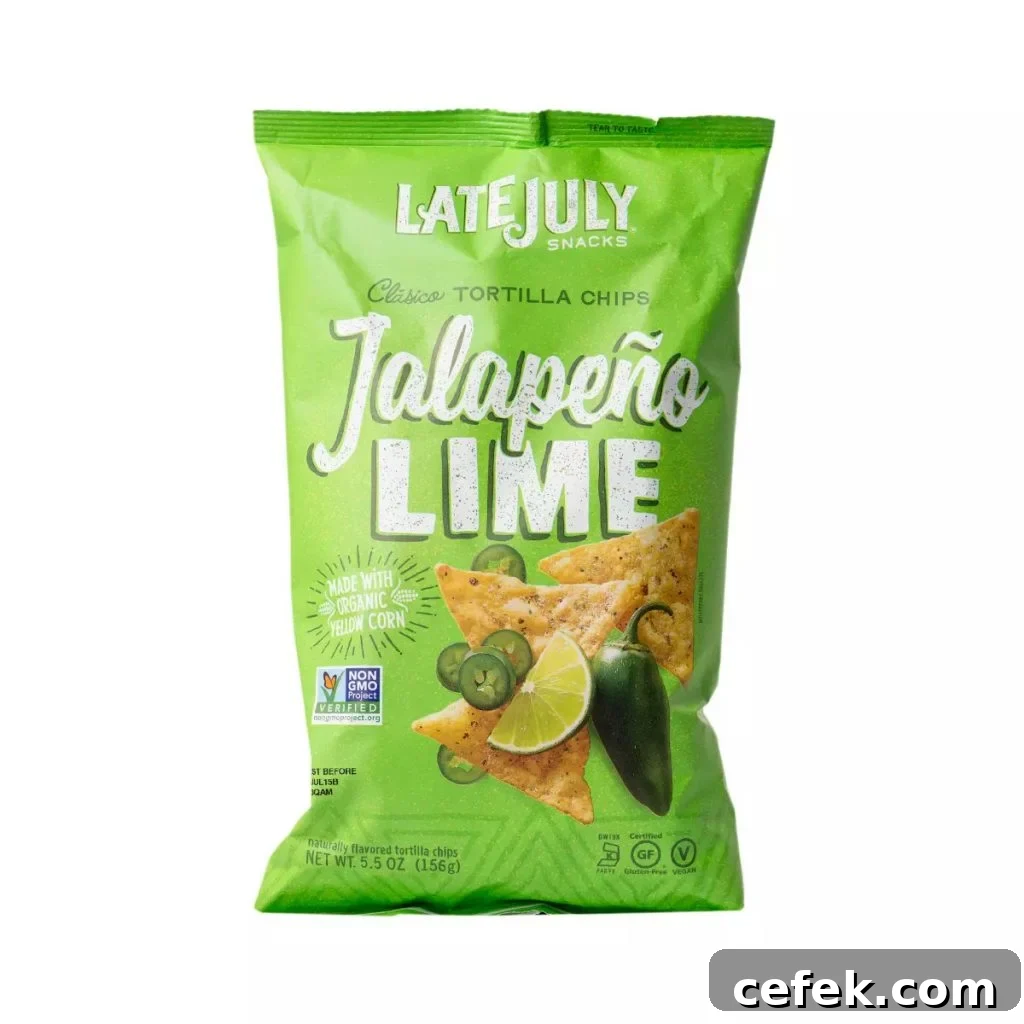
For example, snack products that contain less than 70% organic ingredients cannot use the USDA organic badges, but they may identify specific organic ingredients on their ingredient lists.
What Is The Difference Between Organic And Certified Organic?
In the U.S., only products certified by an accredited USDA certifying agent may be marketed as “organic.” Labeling a product as organic without certification is illegal and subject to penalties. That protects consumers from greenwashing, but it may disadvantage small producers who follow organic methods but cannot afford certification fees. Producers who are uncertified must be careful to accurately describe their practices without using the regulated term “organic.”
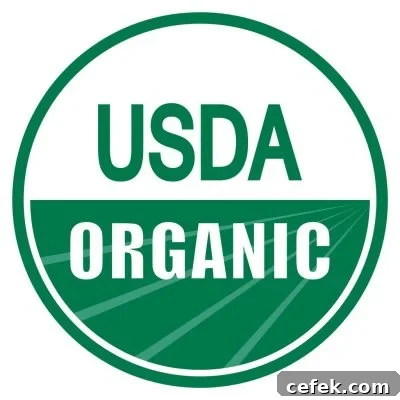
Fake or look-alike labels exist—official USDA seals are regulated and protected.
How Much Does the USDA Organic Certification Cost?
Costs vary by operation size and complexity, and can range from a few hundred to several thousand dollars. In practice, certification often falls in the range of roughly $700 to $1,200, not including application fees, annual renewals, or inspection costs. Cost-share programs exist that can help eligible producers offset some certification expenses.
What Kind Of Food Products Can Be Organic?
USDA organic certification applies to a wide range of agricultural products and byproducts, including:
- Crops (grains, fruits, vegetables, nuts)
- Products derived from organic crops (for example, almond milk made from certified organic almonds)
- Livestock and animal products (meat, dairy, eggs raised to organic standards)
- Processed foods that meet the organic ingredient thresholds
- Certain textiles and other agricultural-derived goods (such as certified organic cotton)
Body
The Best Foods to Stimulate The Vagus Nerve (…or Not)
With knowledge of the vagus nerve and its role in physical and mental health, people naturally look for foods that may support it. This article explores that topic.
Is Organic Food Really Healthier For You?
Overall, research and public health guidance indicate that eating organic reduces exposure to many pesticides and synthetic chemicals associated with adverse health outcomes. Conventional crops are often treated with pesticides linked in studies to various health risks. Organic foods also tend to retain higher levels of certain nutrients and can offer stronger flavor for many people.
Beyond individual health, organic and regenerative practices support healthier soil, protect pollinators, and help maintain biodiversity. These practices can reduce long-term environmental damage compared with conventional monoculture systems.
Sensitive populations—pregnant people, young children, and those with chronic illnesses—may benefit most from minimizing exposure to pesticide residues.
Can Something Be Organic And Not Be Healthy?
Yes. A product can be certified organic yet still be high in sugar, refined flour, or other components that many consider unhealthy. Organic status refers to how ingredients were produced and handled, not to overall nutritional quality. Consumers should read nutrition labels and ingredient lists in addition to checking organic certification.
“The Big Three” Threats to Organic Standards
While organic certification provides meaningful protections, it’s not flawless. Controversial areas include confinement livestock operations certified as organic and hydroponic production, which some stakeholders argue should not qualify as organic. Three major policy battles could weaken organic standards if passed:
1. GMOs
Genetic engineering and GMOs are currently prohibited in USDA-certified organic products. Proposals to allow GMOs into organic production have met significant opposition, because GMOs contradict the foundational organic principle of avoiding genetic manipulation.
2. Sewage Sludge (Biosolids)
Sewage sludge, or biosolids, contains nutrients but may also include contaminants such as pharmaceuticals, heavy metals, and hormone-disrupting chemicals. Certified organic standards currently prohibit biosolids, and proposals to permit them have raised health and environmental concerns.
3. Irradiation
Irradiation is used to reduce pathogens in foods but can also reduce beneficial microbes and nutrients. The practice is disallowed for organic products, and efforts to change that rule have been controversial.

Agencies That Affect, Certify, and Influence Organic Labels:
Several agencies and organizations play roles in setting, enforcing, or supporting organic standards:
- National Organic Program (NOP) – accredits third-party certifiers and administers USDA organic regulations.
- National Organic Standards Board (NOSB) – an advisory board that recommends substances and policy for organic standards.
- Food Safety and Inspection Service (FSIS) – inspects meat, poultry, and egg products for safety; sets related labels such as quality grades.
Other organizations provide complementary certifications or advocacy:
- Regenerative Organic Certified (ROC) – a higher-bar certification focused on soil health, animal welfare, and social fairness.
- Non-GMO Project Verified – verifies products do not contain genetically modified ingredients (this is distinct from organic certification).
- Organic Farmers Association and National Organic Coalition – advocacy and membership groups supporting organic producers and policy.
Body
Is Microwave Popcorn Healthy for You? Not If There’s PFAS in the Bag.
Most microwave popcorn bags contain PFAS “forever chemicals.” This article reviews safer popcorn options and what to avoid.
Are Organic Fruits and Vegetables Worth the Expense?
Organic produce sometimes costs more, but many consumers consider the reduced pesticide exposure, higher nutrient content in some crops, and environmental benefits worth the price. Long-term healthcare savings and environmental benefits can offset short-term grocery costs for many households.
To save money while prioritizing organic purchases, consider buying from online retailers that specialize in organic products, shop local farmers who use organic methods, or prioritize organic choices for produce known to carry higher pesticide residues.
Top 5 Fruits & Vegetables Laden with Pesticides (and Worth Buying Organic):
- Strawberries
- Spinach
- Kale and other leafy greens
- Nectarines
- Apples
Top 5 Fruits & Vegetables Safer to Buy Conventional:
- Avocado
- Sweet corn
- Pineapple
- Onions
- Papaya
Beware of Greenwashing in “Organic” Foods
Marketers often use vague or unregulated terms to imply a product is healthier or more ethical than it is. Common labels and claims to assess carefully include:
- “Natural” – Not strictly defined or regulated; does not guarantee safety or sustainability.
- “Humane” or “Pasture-Raised” – Often unregulated or loosely defined unless backed by a recognized certification.
- “No added hormones” – Misleading for some products, since hormones have never been allowed in certain species (e.g., poultry).
- “Free Range” or “Cage Free” – Can indicate better conditions but may still involve crowding or non-organic feed unless certified organic or pasture-raised.
Buying locally from known producers is one of the best ways to verify claims and support transparent practices.
“Organic” Non-Food Items
The USDA organic label applies to agricultural goods. Non-food products—body care, textiles, and cleaning products—may carry other certifications (for example, GOTS for organic textiles). These certifications differ in scope and enforcement, so watch for varied standards and greenwashing in non-food categories.
Going Beyond Organic: What is Regenerative Farming?
Regenerative farming goes further than avoiding harmful inputs: it aims to restore soil health, increase biodiversity, support animal welfare, and improve farmworker conditions. Organizations promoting regenerative organic standards combine ecological restoration with social and animal welfare goals. Regenerative practices include diverse crop rotations, cover cropping, holistic grazing, and building soil carbon to improve ecosystem resilience and long-term food security.
Conclusion
The world of organic labeling can be confusing, but USDA organic certification provides a meaningful baseline that reduces exposure to harmful chemicals and supports environmental stewardship. While organic is not a cure-all—and not every organic-labeled product is nutritionally optimal—buying organic when feasible is generally a better choice for personal and environmental health. Educate yourself on labels, prioritize purchases where they matter most, and support transparent producers when possible.
PIN IT: