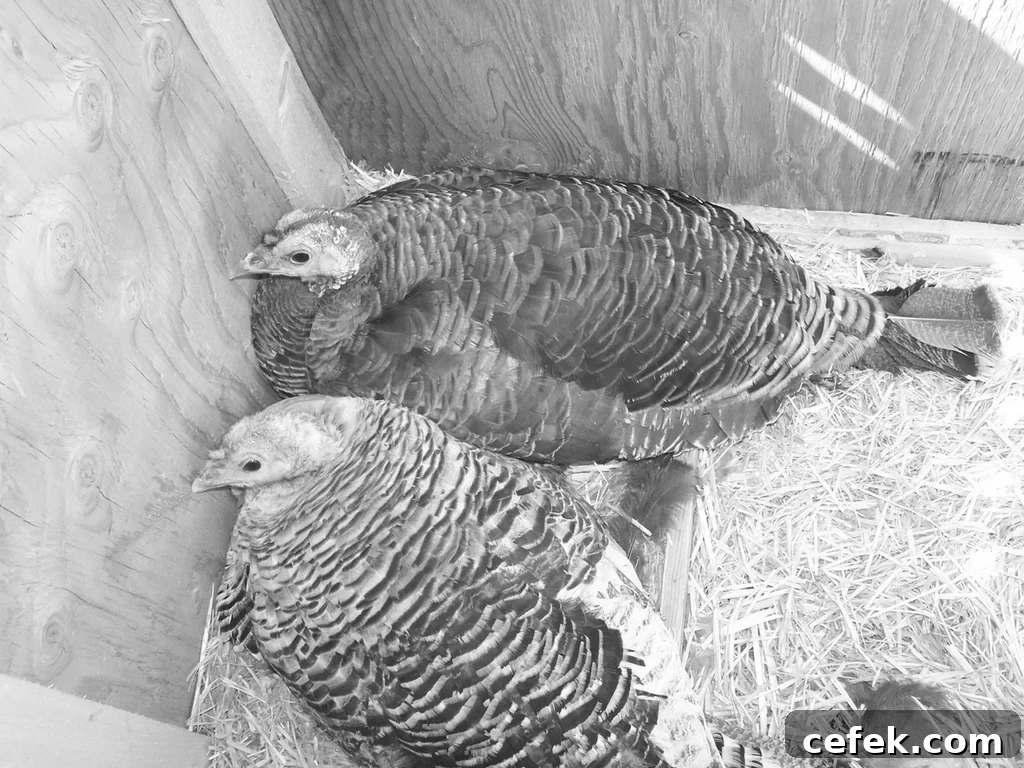
While turkeys are familiar to many as part of a holiday meal, relatively few people raise them or understand the difference between broad-breasted and heritage breeds. This article explains the distinctions and why heritage turkeys are gaining renewed interest among small farmers and backyard keepers.
Broad-Breasted vs. Heritage Turkeys
Broad-breasted turkeys were developed specifically for high-volume meat production. They grow rapidly and produce a large breast, but these traits come at a cost: many broad-breasted lines cannot mate naturally and often lack some survival instincts. Incubation and human intervention are typically required to propagate them.
Heritage turkeys, by contrast, retain their natural behaviors and instincts. Some heritage varieties are rare and even listed as conservation priorities, but growers and conservationists are once again recognizing their value. These birds are well-adapted to free-range conditions and can be a sustainable choice for small farms and homesteads.
If you want breed-specific information, consult reputable livestock conservation resources such as breed lists and conservancy organizations for detailed profiles and conservation statuses.
Heritage Birds Are Self-Sustaining
One of the defining traits of heritage turkeys is their ability to reproduce naturally. Mature toms court and mate without human assistance, and hens reliably go broody each spring. A typical clutch can contain up to 21 eggs, and hens will incubate for about 28 days, then actively care for poults. When threatened, hens will spread their wings and defend their brood.
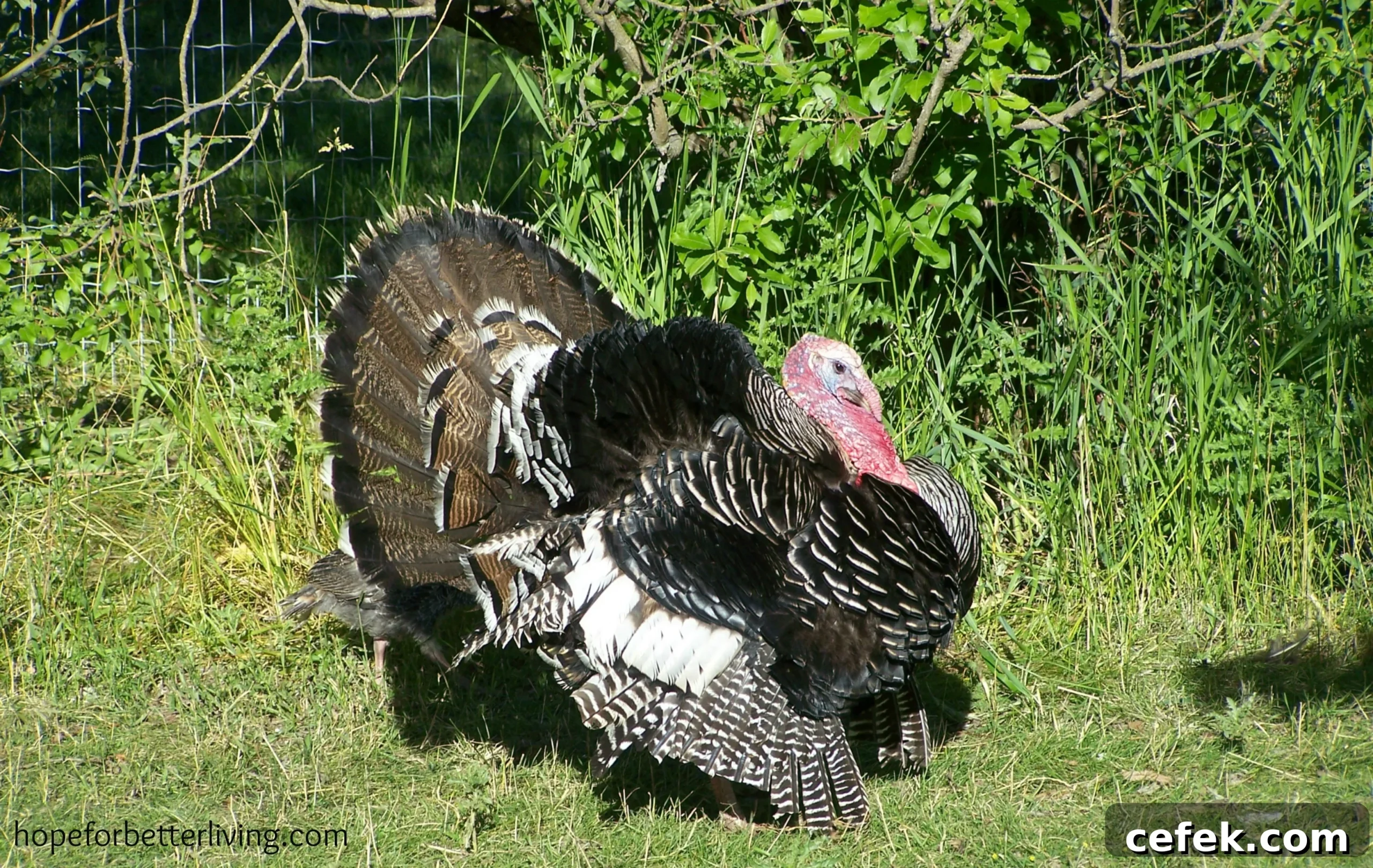
Poults hatch with relatively long legs and tiny flight feathers, traits that help them survive outdoors. Although they prefer to run, poults can fly at a surprisingly young age and may begin roosting in warm weather as early as two to three weeks after hatching.
Longevity and Productivity
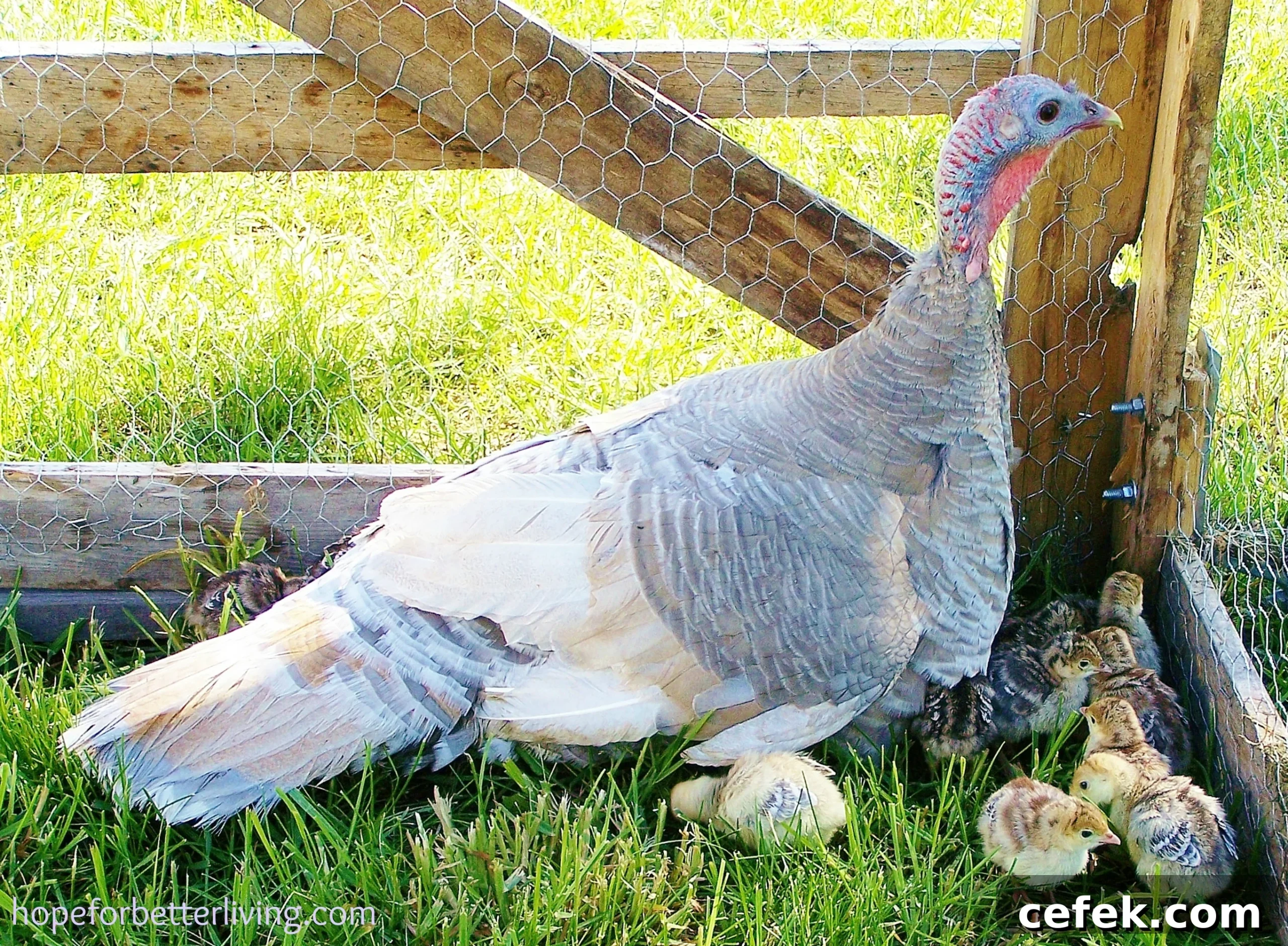
Heritage toms can remain intact and productive for three to five years, growing heavier each season; many keepers choose to replace a tom around five years of age. Hens continue to lay and often make the best mothers as they age, typically producing eggs reliably for at least five years.
Excellent Free-Ranging Abilities
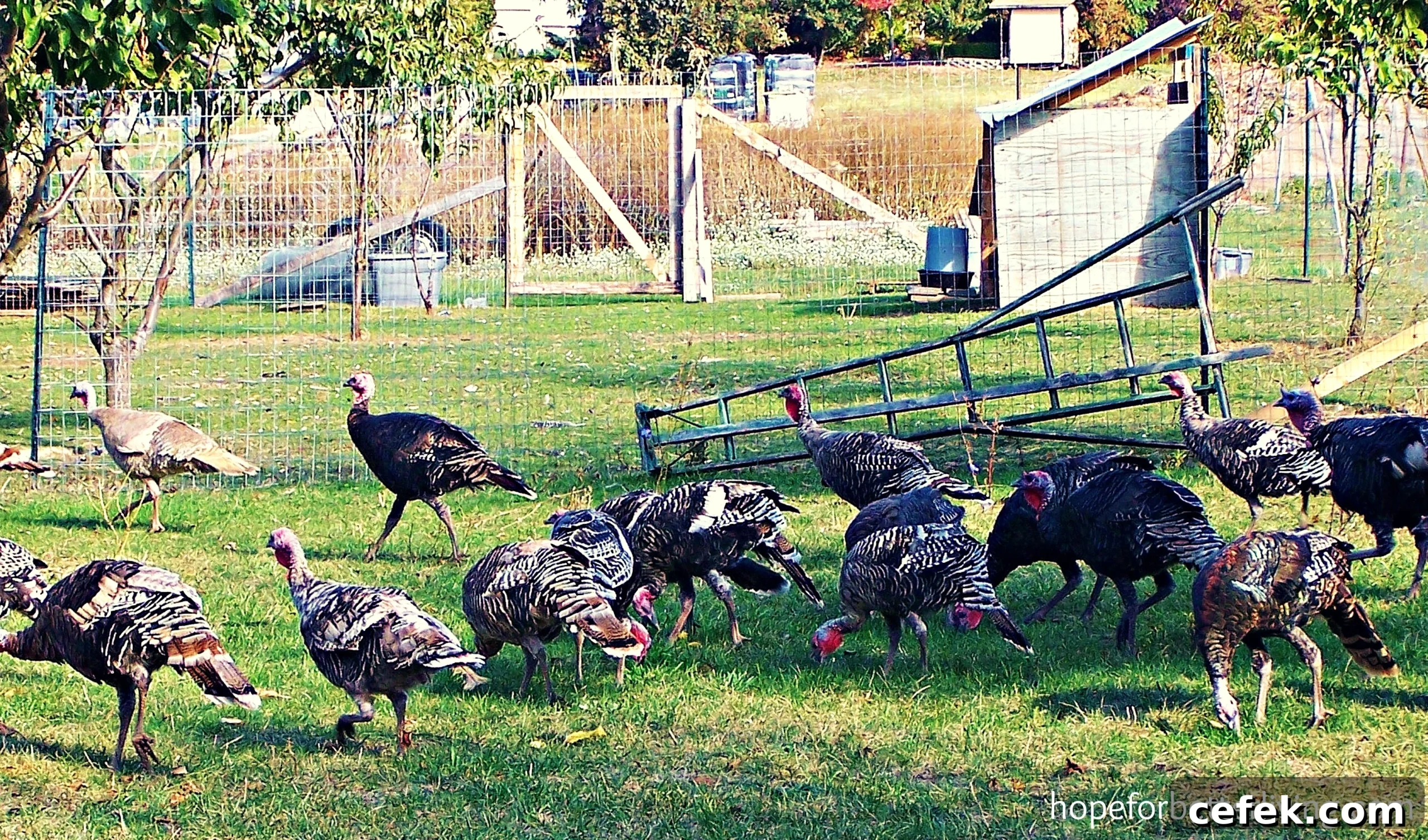
Heritage turkeys are built for life on pasture and woodland. They thrive when allowed to free range and forage for grasses, seeds, and insects. Unlike chickens, they are not scavengers of kitchen scraps and generally do best when provided access to natural foraging areas. A diet focused on forage and insects results in healthy, active birds that mirror wild turkey behavior.
Wild turkeys have a diet that is low in concentrated protein compared to commercial meat birds, and heritage breeds follow a similar pattern, relying on diverse forage rather than high-protein formulated rations.
Natural Pest Control
When allowed to roam, heritage turkeys will search out worms, beetles, grasshoppers, and other invertebrates, helping reduce pest populations across the property. If tick control is a concern, heritage turkeys can be an effective, low-cost part of an integrated pest-management approach without the constant noise associated with some other poultry species.
Egg Production
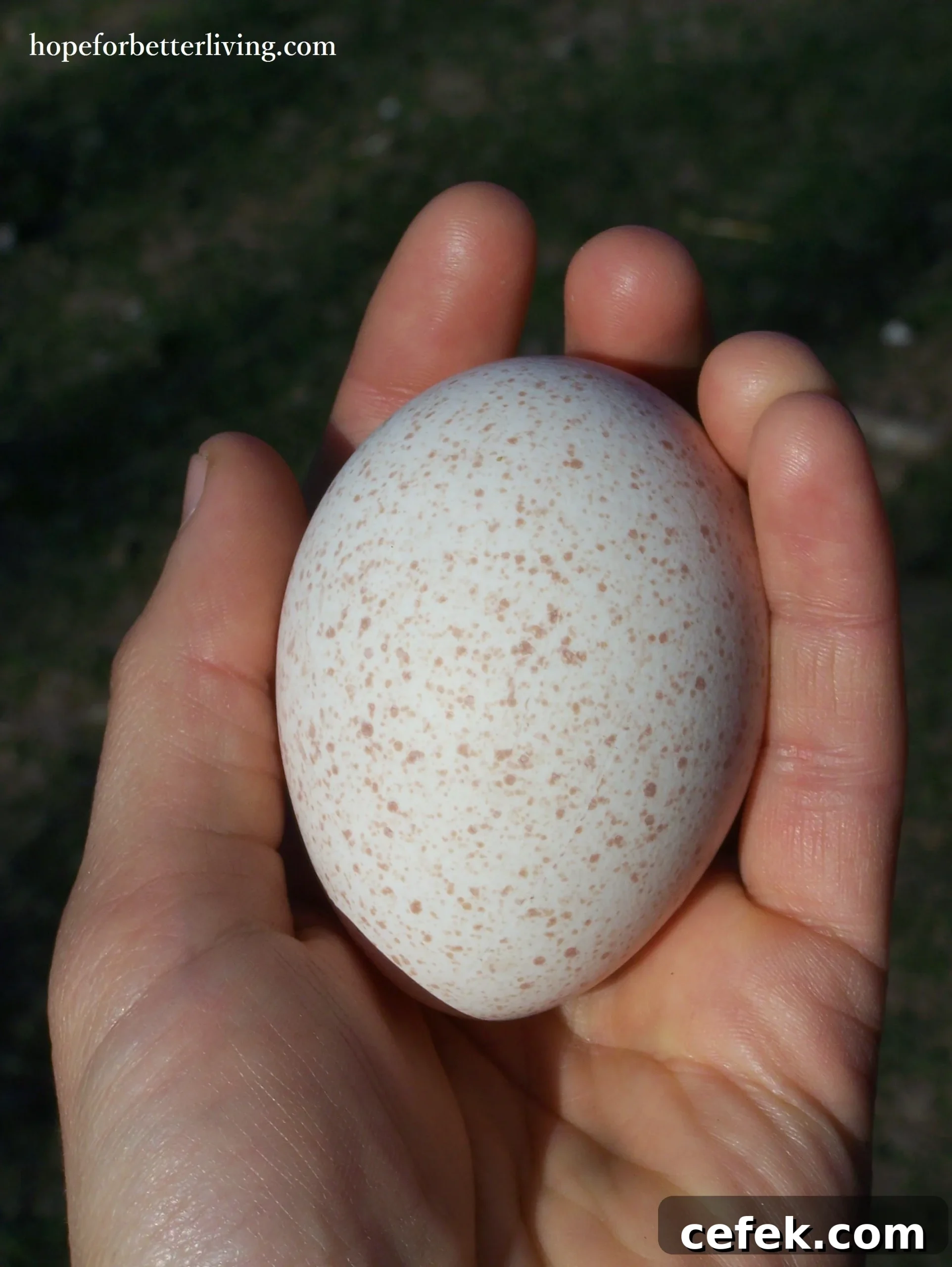
Heritage hens lay throughout the warmer months, typically every two to three days from spring through early fall. While their egg production isn’t consistent enough to keep turkeys solely for egg income, the eggs are large, rich, and flavorful. Some people who have digestive sensitivity to chicken eggs find heritage turkey eggs easier to tolerate.
Natural Growth and Quality Meat
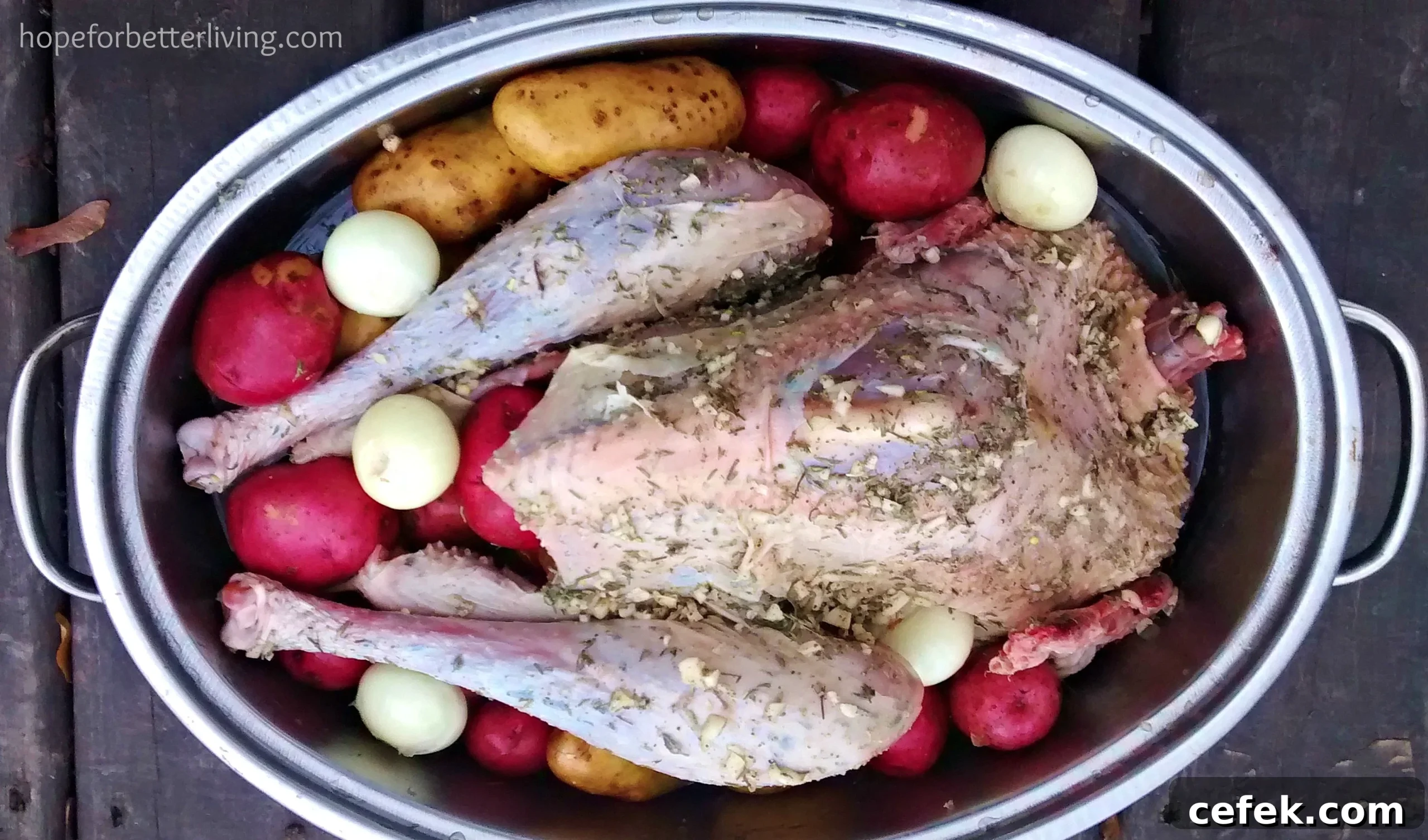
Heritage turkeys grow at a natural pace, which tends to produce more flavorful, well-textured meat compared with rapidly grown commercial broilers. These birds are active and forage extensively, contributing to better muscle tone and meat quality. For home butchering, heritage hens are generally ready between 16 and 20 weeks and often weigh 4–6 lbs; toms typically reach 8–12 lbs when finished on pasture.
Rich Flavor and Bone Broth
Because heritage birds mature slowly and move more, their meat often has deeper flavor and better texture. The bones also make richly gelatinous broths, ideal for soups and stews; older or naturally raised birds yield particularly nutrient-dense stock.
Relational and Friendly Disposition
Heritage turkeys can be shy yet curious and are known to form strong bonds with people. If socialized, they may follow keepers around the yard and seek attention much like a companion animal. For breeding stock, taming is recommended to ease handling, but be mindful: overly tamed meat birds may become very tame and persistent around your home.
Learning to Raise Heritage Turkeys
Raising heritage turkeys raises questions about sourcing birds, designing appropriate housing, encouraging natural maternal behavior, and managing a free-ranging flock. Many practical guides and e-books cover these topics in depth, offering step-by-step advice on care, feeding, breeding, and predator protection for those who want to raise heritage turkeys successfully.
Whether you are interested in conservation, superior flavor, natural meat production, or effective on-farm pest control, heritage turkeys offer an appealing alternative to broad-breasted commercial varieties. Their self-sufficiency, hardiness, and personality make them a rewarding addition to small-scale farms and homesteads.