My Journey Toward Stronger, Smarter Nourishment
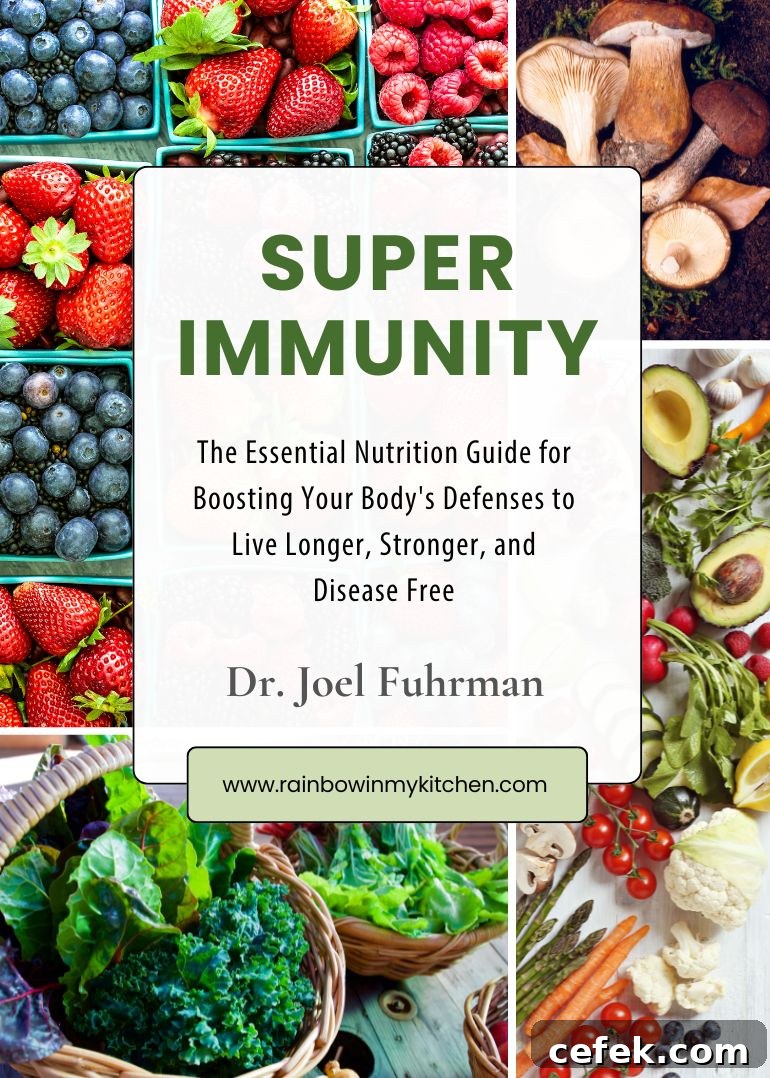
After reading Eat to Live, I was moved by Dr. Fuhrman’s emphasis on nutrient-dense eating and its potential to transform health. His follow-up, Super Immunity, expands that message, offering a clear plan for building a body that is not only healthy but resilient.
I read Super Immunity when I wanted to better support my natural defenses—not merely to avoid illness, but to feel focused, energized, and strong every day. The book offered more than dietary tips; it presented a practical roadmap for protecting health from the inside out.
Rethinking Immunity Through Food
Super Immunity opens with a simple principle: our immune system reflects the quality of our daily nourishment. Our bodies are constantly rebuilding, repairing, and adapting, and every meal contributes to how well those processes run.
Modern diets that rely on processed foods and lack micronutrients can leave immunity sluggish and strained. By contrast, meals centered on whole, nutrient-rich plant foods provide the vitamins, minerals, antioxidants, and phytochemicals the body needs to function optimally.
This perspective shifted how I think about immunity. Rather than treating it as something to boost in a crisis, immunity becomes a quality we cultivate daily through consistent food and lifestyle choices.
The Science of Super Immunity
The book explains how nutrients, antioxidants, and phytochemicals do more than nourish cells: they interact with them, guiding processes that prevent disease and control inflammation. These compounds act as signals and protectors, influencing immune cell function and recovery.
For example, phytochemicals such as sulforaphane from cruciferous vegetables and quercetin found in onions and apples help neutralize free radicals and support cellular defenses. Regular intake of these compounds can make the immune system more effective at detecting and repairing damage.
It’s compelling to recognize food as information, not just fuel—what we eat shapes immune performance at the cellular level.
The Nutritarian Approach to Immune Strength
Building on the Nutritarian principles from Eat to Live, Super Immunity focuses on long-term immune resilience. The approach emphasizes a wide variety of whole, plant-based foods rich in the micronutrients required for defense and repair.
A vibrant salad, a filling bean stew, a bowl of berries with seeds: each meal becomes a deliberate act of nourishment. Over time, this consistent intake trains the immune system to respond more efficiently, creating a stronger foundation for health.
In short, regular, nutrient-dense eating supports the body’s ability to thrive.
The G-BOMBS: Everyday Foods, Extraordinary Protection
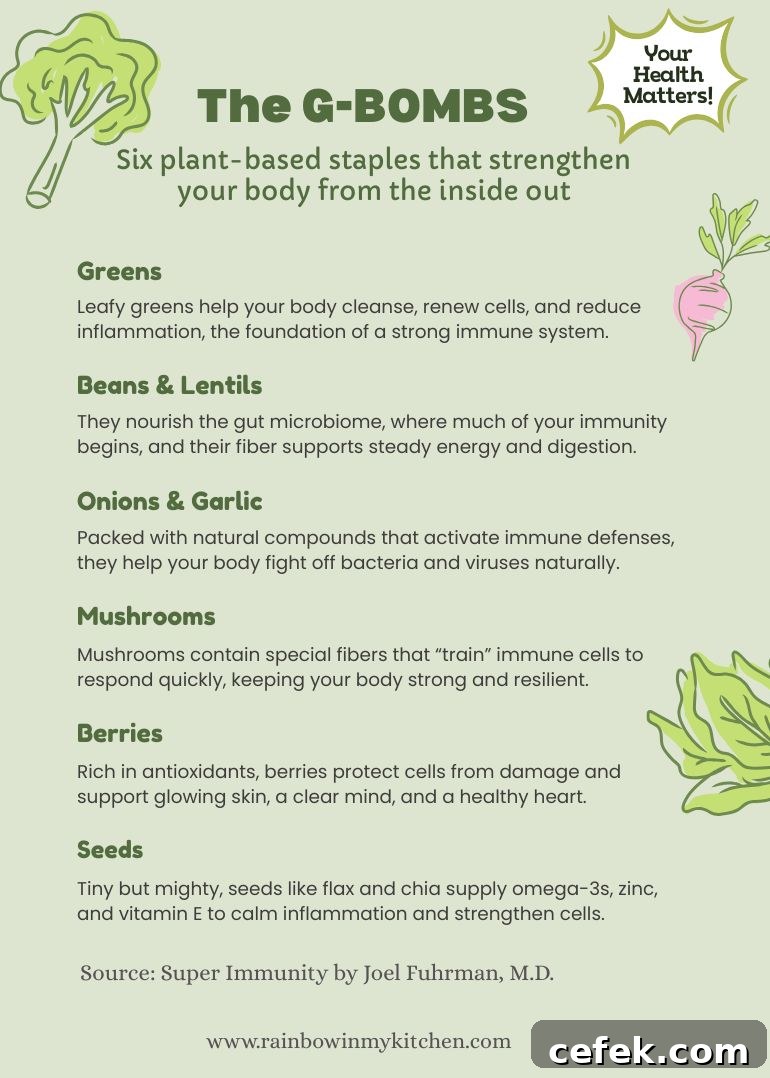
Readers familiar with Eat to Live will recognize Dr. Fuhrman’s acronym G-BOMBS: Greens, Beans, Onions, Mushrooms, Berries, and Seeds. In Super Immunity, he expands on how these everyday foods support a naturally resilient body.
Each component of G-BOMBS contributes distinct protective benefits:
- Greens support detoxification and cellular renewal.
- Beans nourish the gut microbiome, a key pillar of immunity.
- Onions and garlic stimulate protective enzymes and offer antiviral effects.
- Mushrooms support immune signaling and response.
- Berries provide antioxidants that shield cells from oxidative stress.
- Seeds supply essential minerals and healthy fats that help regulate inflammation.
What makes this section valuable is its practicality: these are accessible foods that can be incorporated into everyday meals. After reading, I began to plan simpler, more balanced dishes—adding beans to soups, greens to bowls, and berries and seeds to snacks. Small, consistent changes became meaningful ways to care for my health.
Practical Wisdom: Building Immunity One Meal at a Time
One strength of Super Immunity is its actionable guidance. Fuhrman pairs scientific explanation with useful tools—charts that compare nutrient density, meal ideas, and a Super Immunity Diet Pyramid that highlights what to eat most often: greens, vegetables, fruits, beans, nuts, and seeds at the base, with processed foods at the top.
The book also explains how these foods support recovery when illness does occur, helping the body bounce back more quickly. The emphasis is not on quick fixes but on creating conditions that allow healing to happen naturally.
This balance of evidence and encouragement makes the advice both motivating and attainable.
Beyond Food: Living the Super Immunity Lifestyle
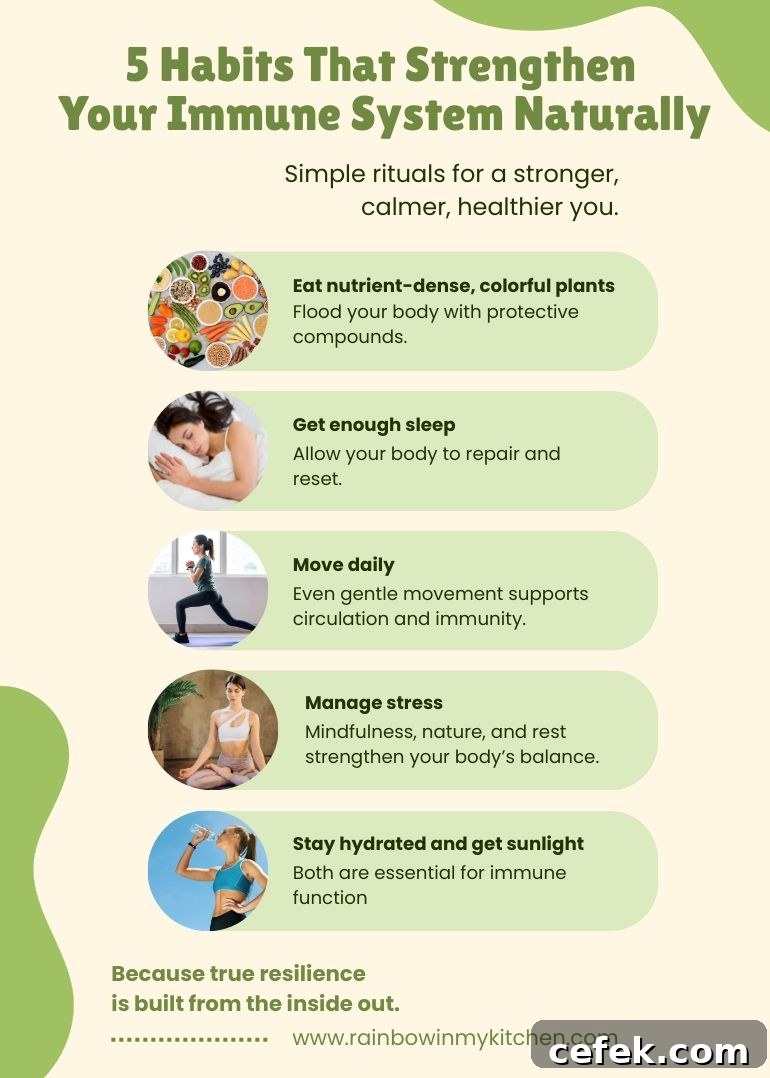
Super Immunity extends beyond diet to include rest, movement, and emotional well-being. Sleep, sunlight, adequate hydration, and stress management all influence immune balance, and Fuhrman highlights these elements as part of a holistic approach to health.
True wellness, the book suggests, comes from regular choices that honor the body rather than from pursuing perfection. Nourishing food combined with movement, rest, and stress reduction builds resilience over time.
My Takeaway: Empowering Health from Within
Reading Super Immunity reaffirmed why Dr. Fuhrman’s work resonates with me: it merges science with compassion and practical advice. The central message is empowering—when we consistently choose real, living foods, our bodies respond with greater strength, balance, and vitality.
My own experience with plant-based eating has shown that health is more than the absence of disease; it’s harmony between body, mind, and daily habits. Sustained wellness grows from awareness and steady choices rather than extremes or quick fixes.
Super Immunity is more than a diet book; it’s an invitation to live with intention—choosing foods and habits that support healing, restoration, and resilience. For anyone looking to strengthen their natural defenses and reconnect with the healing power of food, this book offers a grounded, hopeful path forward.
*This post is inspired by Dr. Joel Fuhrman’s nutritional framework outlined in his book Super Immunity, which highlights G-BOMBS — Greens, Beans, Onions, Mushrooms, Berries, and Seeds — as core immune-supporting foods.
-
- Eat to Live by Dr. Joel Fuhrman
- Top 16 Plant-Based Protein Sources to Add to Your Plate
- How to Build a Plant-Based Gut-Friendly Bowl