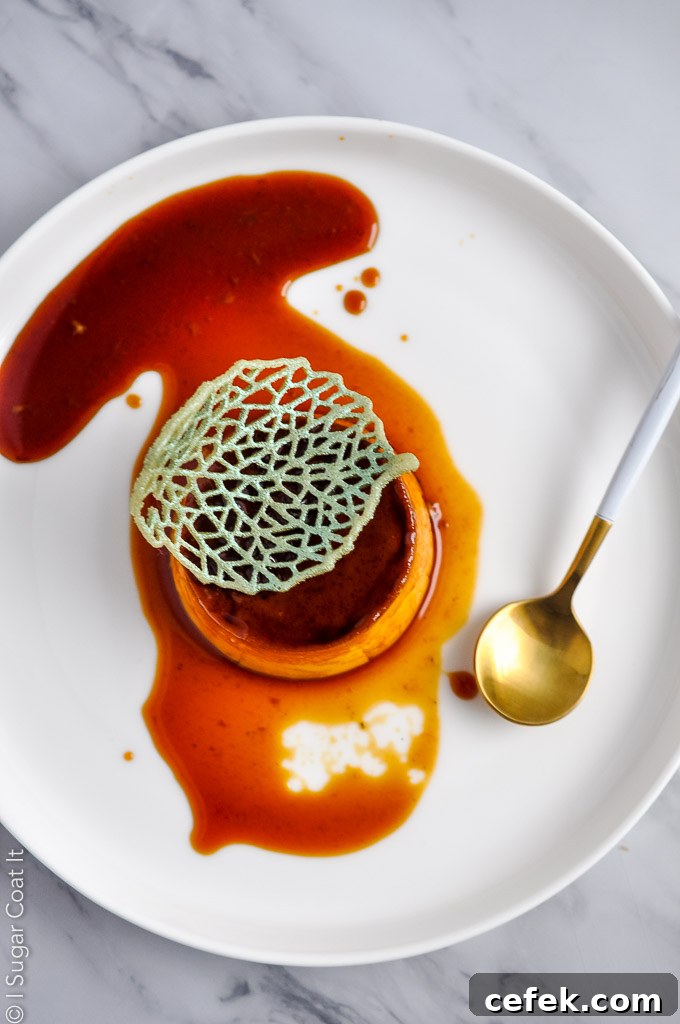
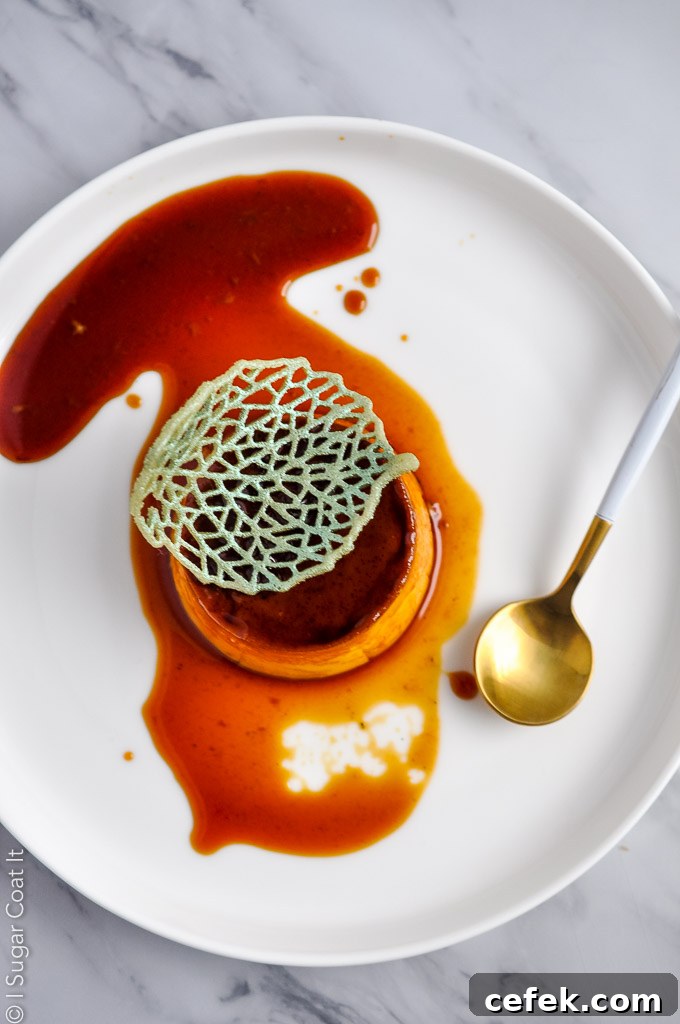
A basic custard, topped with a thin layer of caramel, this Crème Caramel is cooked to rich, silky perfection using sous vide.
It’s been a few months since I last published here. These months brought major events that changed daily life — a global pandemic, a powerful movement demanding racial justice, and a tumultuous election season nearby. The pace of it all left me needing to step back. Even so, I kept cooking and experimenting. Creating has been the thing that helped me stay centered.
Today I’m sharing a simple, elegant dessert: crème caramel made with the precision of sous vide. The classic combination of a silky egg custard and a thin layer of caramel gets even better when you control the temperature precisely.
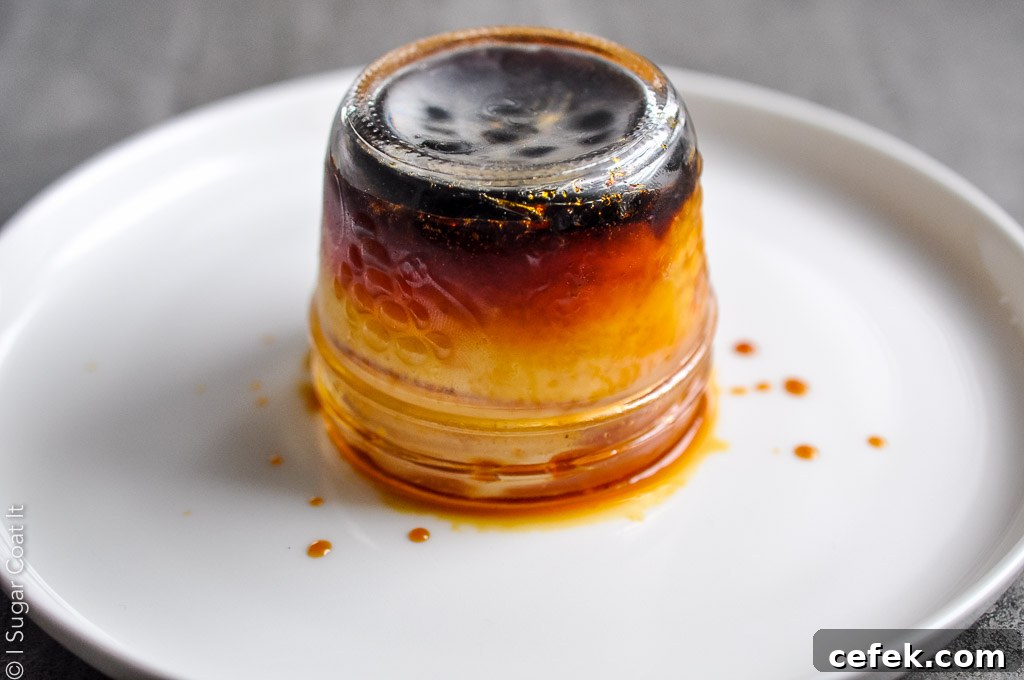
A custard by many names
Crème caramel goes by many names around the world: crème caramel in French, crema catalana in Catalonia, pudim in Portugal and Brazil, and flan in many Spanish-speaking regions. Each version has its own regional twists, but they all share the comforting core of an egg-thickened custard topped with caramel. There’s also the Flan Parisien and other regional variations that are worth exploring on another occasion.
Traditional crème caramel
The traditional method begins by making a caramel and coating the base of a mold or ramekin. A simple egg-based custard is poured over the set caramel, and the dish is cooked gently in a water bath (bain-marie) so the custard heats slowly and evenly. After baking, the custards are cooled, chilled, then inverted onto plates so the caramel becomes a glossy sauce.
Temperature control is crucial: egg custards begin to curdle if exposed to excessive heat. Keeping the custard below about 82ºC preserves a smooth, silky texture. That makes crème caramel an excellent candidate for sous vide cooking.
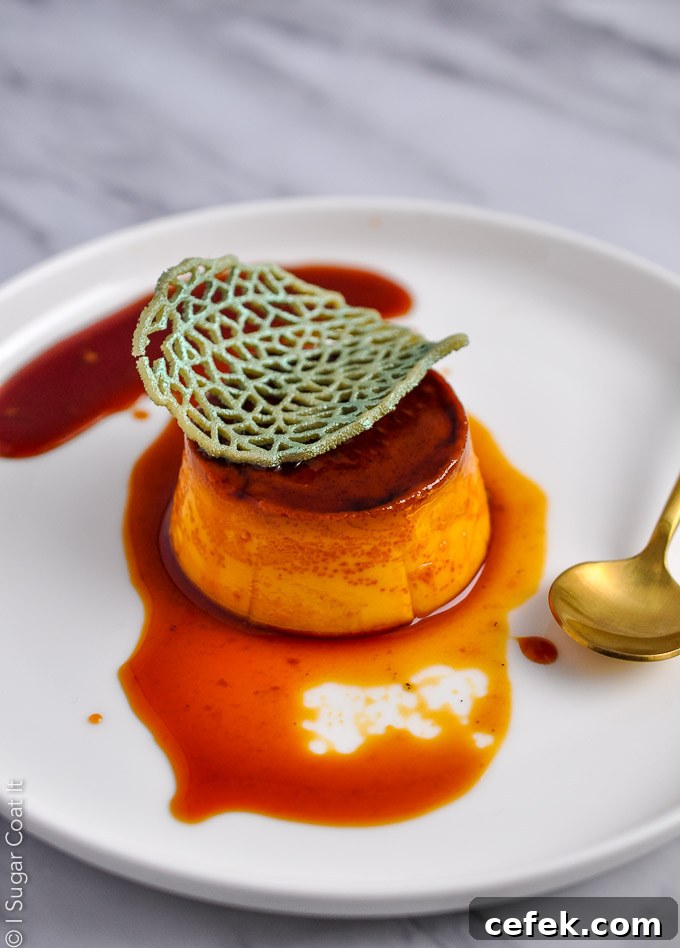
Sous vide crème caramel
Egg-set custards are delicate and benefit most from gentle, consistent cooking. Using sous vide simplifies the process: you get precise temperature control, minimal hands-on time, and a very low risk of overcooking the eggs.
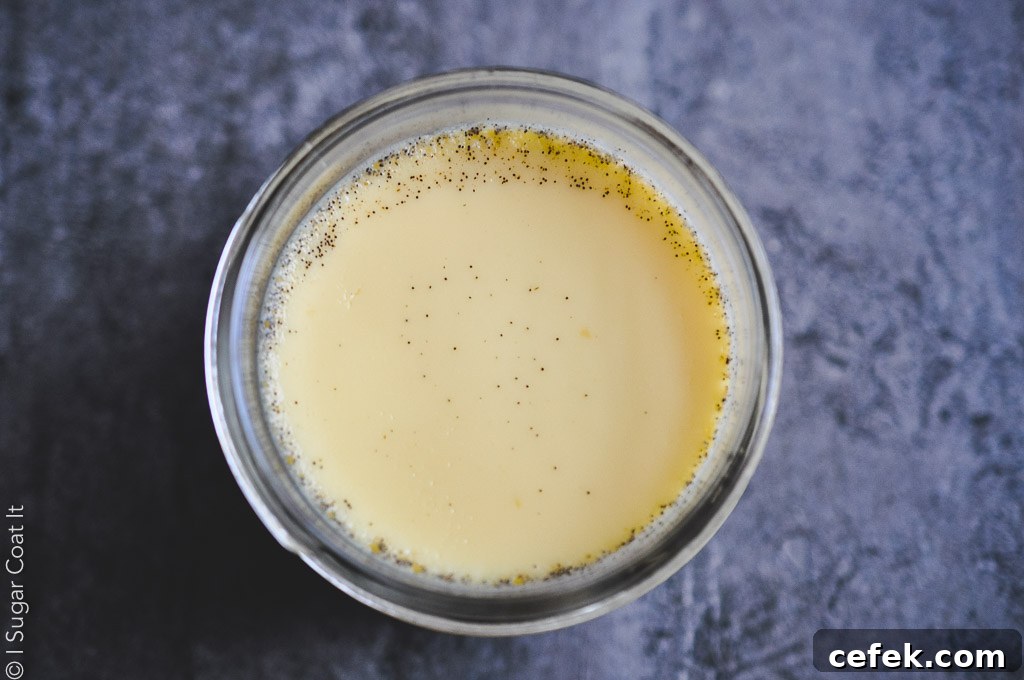
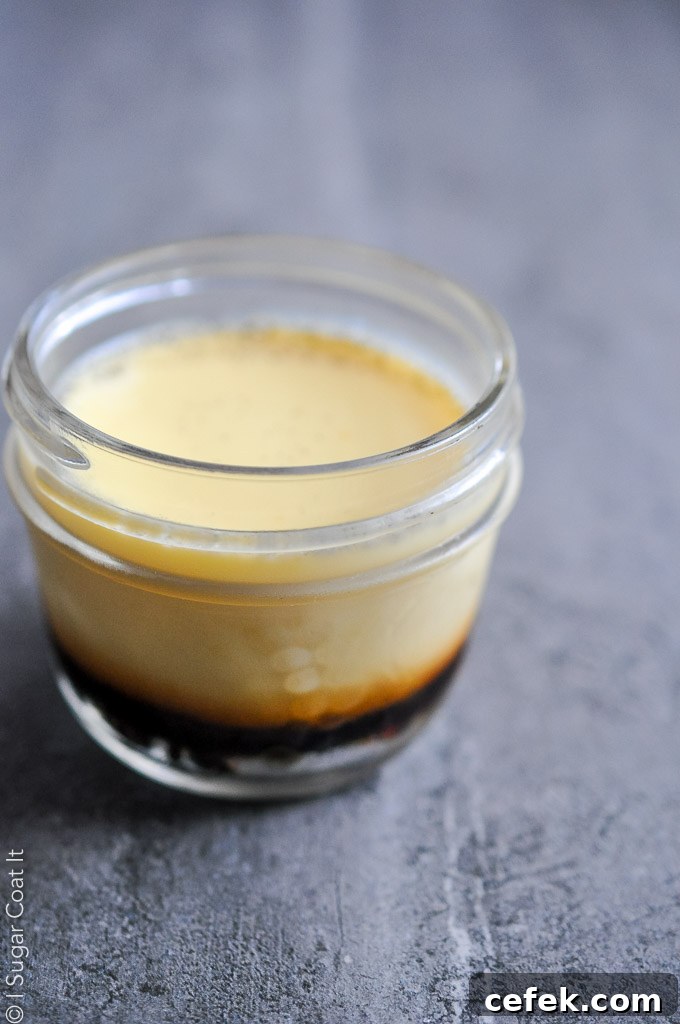
The method is straightforward. Prepare the caramel and coat the bottom of heatproof jars. Blend the custard ingredients until smooth, pour into the caramel-lined jars, seal them, and place them in a preheated water bath held at 82ºC. Cook for the recommended time, then cool to room temperature and refrigerate. The result is an evenly set custard with a satiny mouthfeel and a clean caramel top.
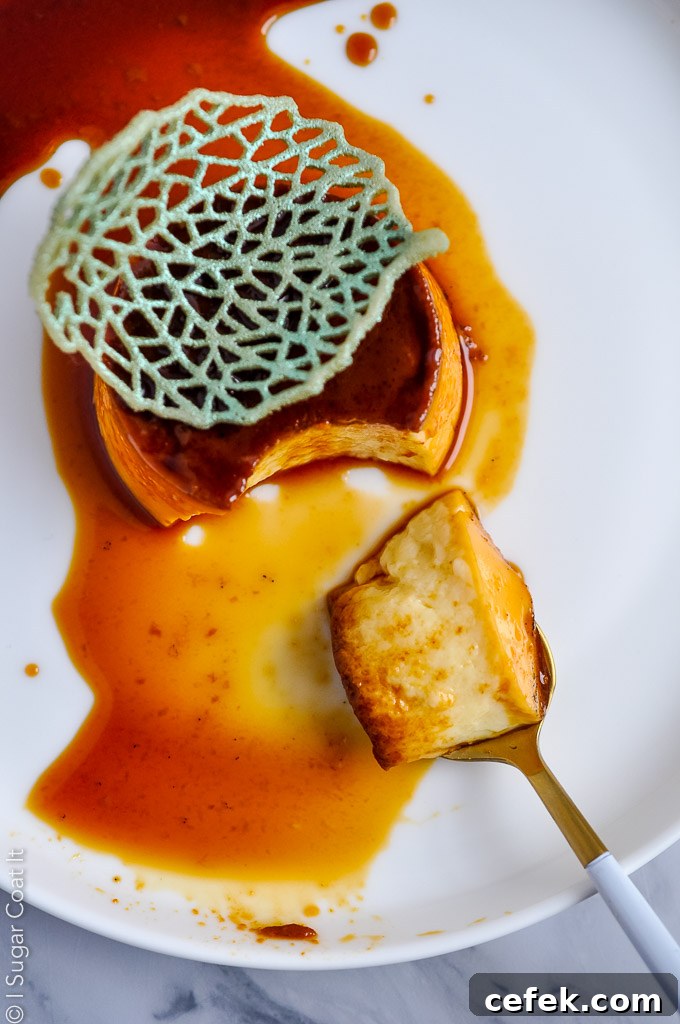
Memories of flan
My earliest memory of flan is my grandmother’s version: rich and sweet, often made with coconut cream plus condensed and evaporated milk. It was indulgent and comforting. How is flan made where you grew up?
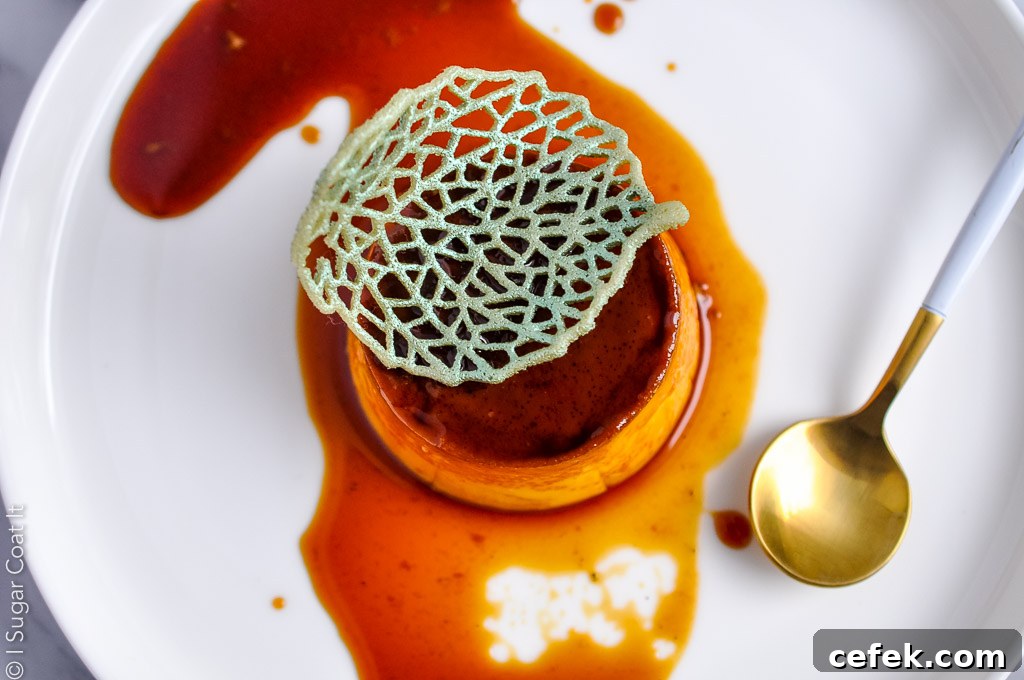
Sous Vide Crème Caramel
15
1
Method
Ingredients
- 192 grams granulated sugar
- 76.5 grams condensed milk
- 426.5 grams whole milk
- 144 grams granulated sugar
- 3 eggs
- 1 egg yolk
- ½ vanilla bean scraped
Method
-
Scale your ingredients.
-
Prepare clean jars and check lids for defects.
-
Set up your water bath and heat it, with empty covered jars inside, to 82ºC.
-
Add the sugar to a clean saucepan and cook until a deep amber color develops.
-
Remove the jars from the water bath, place on a towel, remove lids, and pour enough caramel into each jar to coat the bottom. Swirl to coat the sides and allow to set.
-
Blend all custard ingredients with an immersion blender, whisk, or hand mixer until smooth. Pour evenly into the caramel-coated jars.
-
Attach lids fingertip-tight and return the jars to the heated water bath. Cook for 1 hour at 82ºC.
-
Remove jars from the bath and place on a towel to cool to room temperature. Transfer to the refrigerator to set for at least four hours, preferably overnight.
-
When ready to serve, let the jars sit at room temperature for about 15 minutes. Run a thin palette knife around the edges to loosen the custard, invert each jar onto a plate, and release the flan. If it sticks, gently warm the jar bottom and sides with a kitchen torch or low heat gun to release it.
-
Optional: garnish with a tuile or your preferred topping, or serve simply as is.